
Deputy Manpower Minister: SOE Competency Certification Must Reflect Real Ability
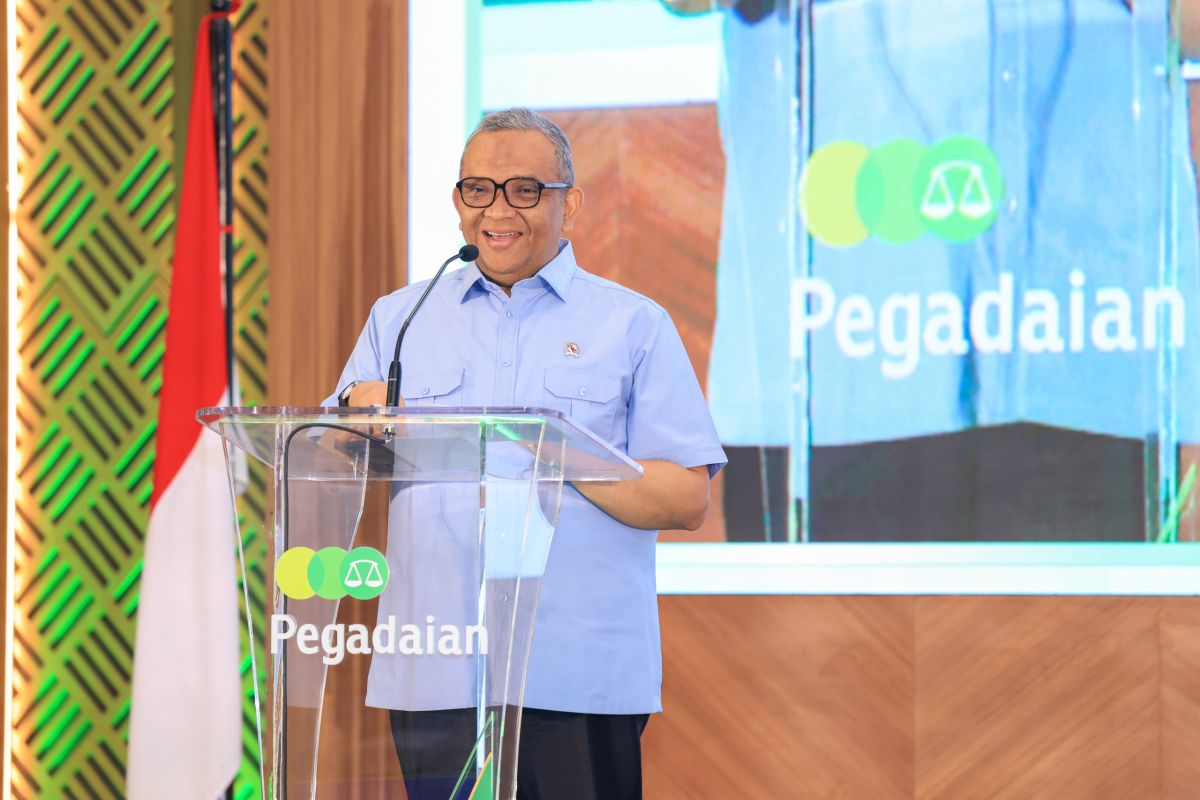
Jakarta (ANTARA) – Deputy Manpower Minister Afriansyah Noor stressed that competency certification for workers at state-owned enterprises (SOEs) must be based on demonstrable ability, not treated as a mere formality.
“The certification process therefore needs clear standards, qualified assessors and governance that ensures the objectivity and credibility of assessment results,” Afriansyah said in a statement in Jakarta on Friday.
He said technological developments and changing business dynamics required a workforce that was skilled, ethical and adaptable. Workers’ competencies therefore needed to align with industry standards, job risks and practical business requirements.
In this context, he said, Second-Party Professional Certification Bodies (LSP P2) within SOEs played an important role because they understood business processes and the competency requirements of each position. That understanding provided a basis for designing certification schemes that met actual needs, but had to be matched by strong governance.
“This close connection must be balanced by strong governance, including qualified assessors, appropriate methods, sufficient evidence and objective decisions in accordance with the rules. Credibility is essential. Certificates must also reflect genuine competence, not be a formality,” Afriansyah said.
He added that skills development should be viewed as an ongoing cycle, beginning with identifying industry needs and setting competency standards, then continuing through training, assessment and certification, and ultimately applying those competencies in actual job performance.
Certification should therefore go beyond formal recognition and help ensure workers’ skills match the demands of their jobs.
Afriansyah also highlighted the use of digitalisation in managing competency certification. Integrated data management was expected to make processes more efficient and improve decision-making. However, the use of technology must still protect the objectivity of assessments and the integrity of the certification process as a whole.
“Technology strengthens the process; it does not replace assessment integrity and professionalism,” he said.
Credible skills systems also required cross-sector collaboration. The Ministry of Manpower was responsible for formulating policy, the National Professional Certification Agency (BNSP) for strengthening the certification system, and Danantara and SOEs for mapping talent needs.
“Certification is not merely a certificate, but recognition built on clear standards, integrity and an accountable process,” Afriansyah said.