
Deputy Manpower Minister says industry increasingly needs adaptive human resources
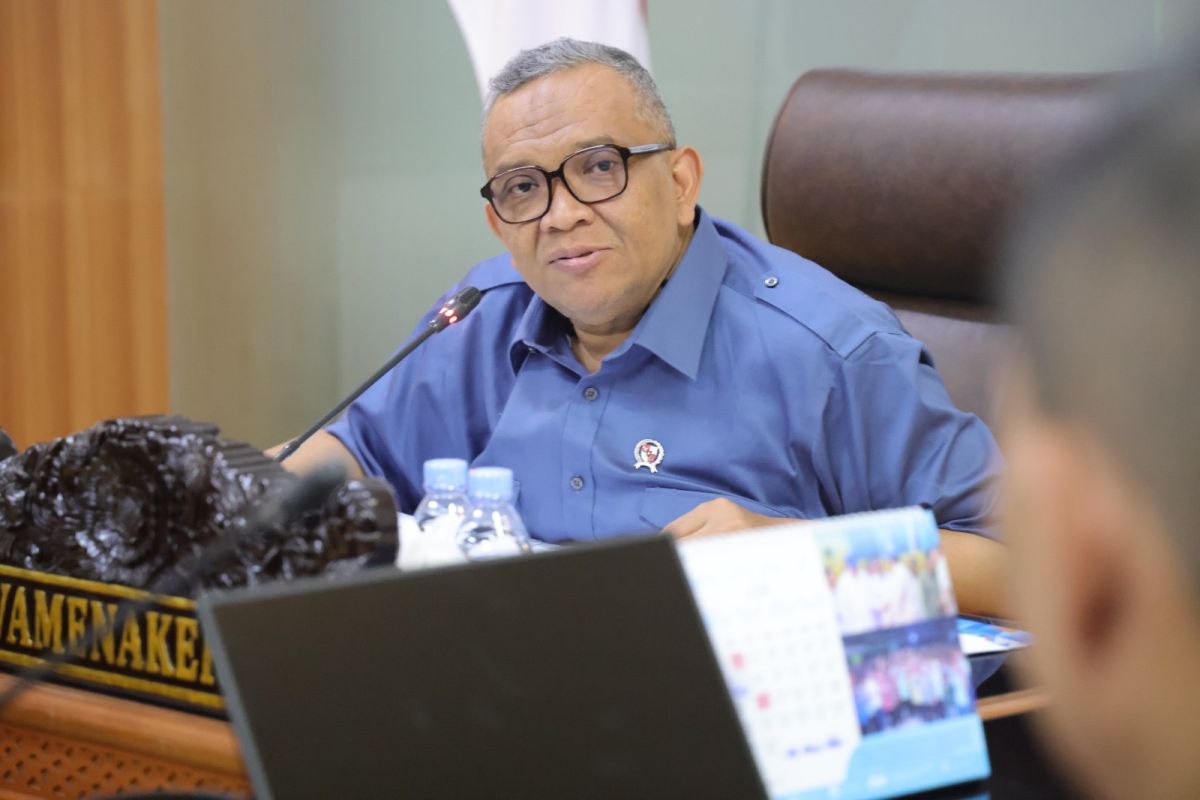
Deputy Manpower Minister Afriansyah Noor has said the industrial world increasingly requires workers with real competence, adaptability, and job readiness amid digital transformation and the development of artificial intelligence. “We are currently in an era of rapid employment transformation. The industrial world no longer merely seeks individuals holding a degree, but capable graduates with real competence,” he stated in Jakarta on Monday. He further noted that a university diploma is no longer the sole asset for entering the workforce, so graduates must already possess the skills needed by industry. “A diploma is no longer enough because industry no longer asks what your degree is, but what your competence is. Competency certificates are proof that our workforce has the standard of skills required by industry,” he said. To address these challenges, the government will relaunch the National Internship Programme (MagangHub) aimed at new diploma and bachelor’s degree graduates. The programme is supported by a budget of Rp4.14 trillion and is designed to strengthen competencies while accelerating the transition of university graduates into the workforce. According to the Deputy Minister, the National Internship Programme serves as a solution to bridge the skill gap and mismatch between graduate competencies and the needs of the business and industrial world. Through the programme, participants will receive various benefits, including an allowance, employment social security protection, professional mentor guidance, and the opportunity to take nationally recognised competency certification. Afriansyah explained that competency certification is an important instrument for enhancing the competitiveness of Indonesian workers amid increasingly tight global competition. He further revealed that national employment conditions are showing an improving trend, with the open unemployment rate recorded at 4.68 percent as of February 2026. However, challenges such as technological disruption, automation, and the emergence of new competency requirements still necessitate strengthening the training and vocational ecosystem connected to industry needs. Afriansyah also encouraged universities to strengthen collaboration with Vocational Training Centres (BLK) and industry. “Campuses, government, and industry must move together to prepare human resources that are relevant to current and future labour market needs,” he said.