
Deputy Manpower Minister: OSH human resource quality must be adaptive to face workplace risks
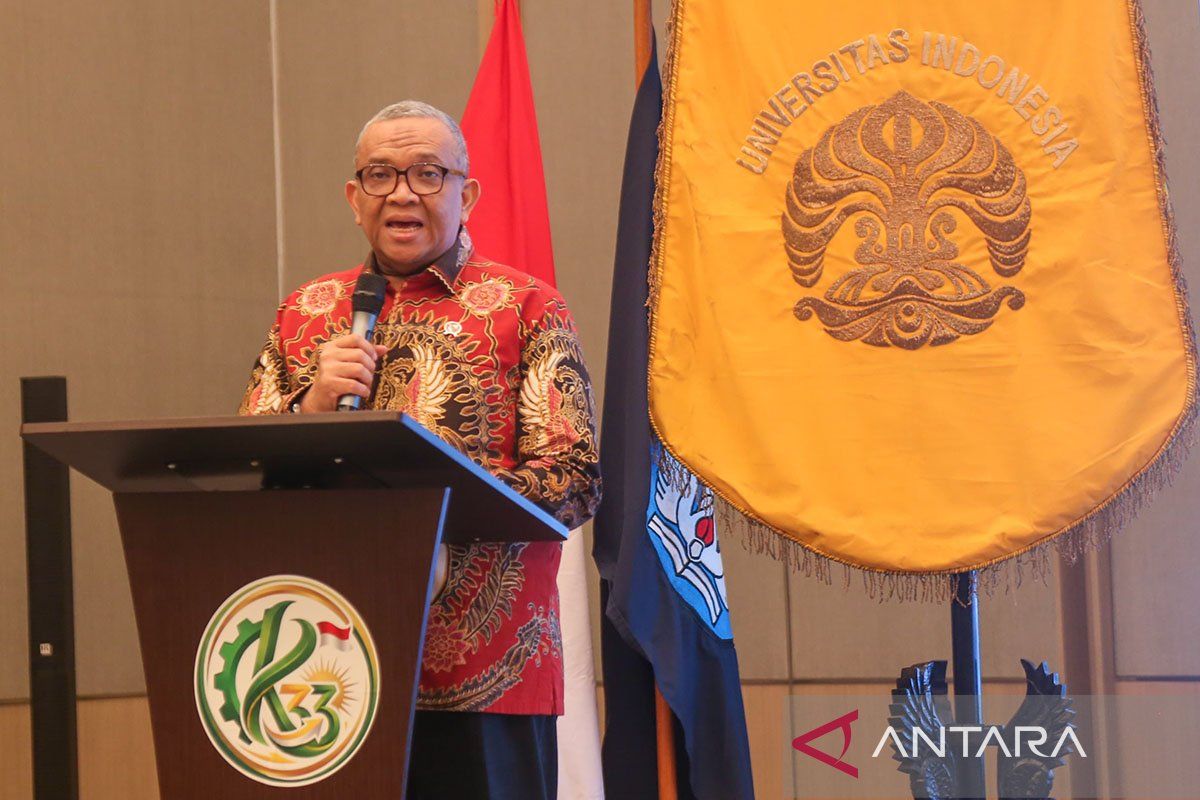
Deputy Manpower Minister (Wamenaker) Afriansyah Noor has emphasised the importance of strengthening the quality of occupational safety and health (OSH) human resources to enable them to face changing risks in the world of work.
In his statement in Jakarta on Saturday, the Deputy Minister said the strengthening is directed at improving the ability to anticipate risks, utilise technological developments, and build a sustainable prevention culture.
“The future OSH approach must increasingly strengthen promotive and preventive aspects through systematic control of risk factors,” he said.
Afriansyah added that this need is becoming increasingly important amid the dynamics of workplace risks.
Based on 2025 data from BPJS Ketenagakerjaan, 319,224 work accident claims were recorded, with 9,834 cases ending in death and 4,133 cases causing functional or total disability.
“Behind these figures are workers who have lost productivity, families who have lost their source of livelihood, companies experiencing operational disruption, and a country that is economically affected,” he said.
In addition to work accidents, strengthening OSH also includes improving the ability to identify and report occupational diseases (PAK). In 2025, 158 cases of occupational disease were reported.
He added that strengthening the safety culture is also carried out through the implementation of the Occupational Safety and Health Management System (SMK3).
According to Afriansyah, changes in the world of work have made the character of OSH risks increasingly diverse. In addition to conventional risks such as machinery, construction, chemicals and electricity, challenges have also emerged from digitalisation, mental health, automation, artificial intelligence, climate change, extreme weather, as well as platform-based and remote working patterns.
“Future OSH human resources are not enough if they only understand OSH regulations and techniques. They must be able to think strategically, understand technology, manage data, conduct comprehensive risk analysis, communicate effectively, and lead organisational change,” he explained.
Therefore, he continued, improving OSH human resource capabilities needs to be carried out through quality education, continuous competency development, professional certification, research and innovation, as well as the use of digital technology.
“The OSH curriculum also needs to continuously adapt to developments in the world of work, while reskilling and upskilling are needed to maintain competency relevance,” he said.
In the national context, the Ministry of Manpower (Kemnaker) has a strategic role as the OSH regulator to ensure that every worker obtains the right to work safely, healthily and with dignity.
This role is carried out through improving regulations, labour guidance and supervision, improving the competence of workers and OSH professionals, digitalisation, and strengthening the competency certification system.