
Deputy Manpower Minister: Improving Human Resources Quality Supports National Development
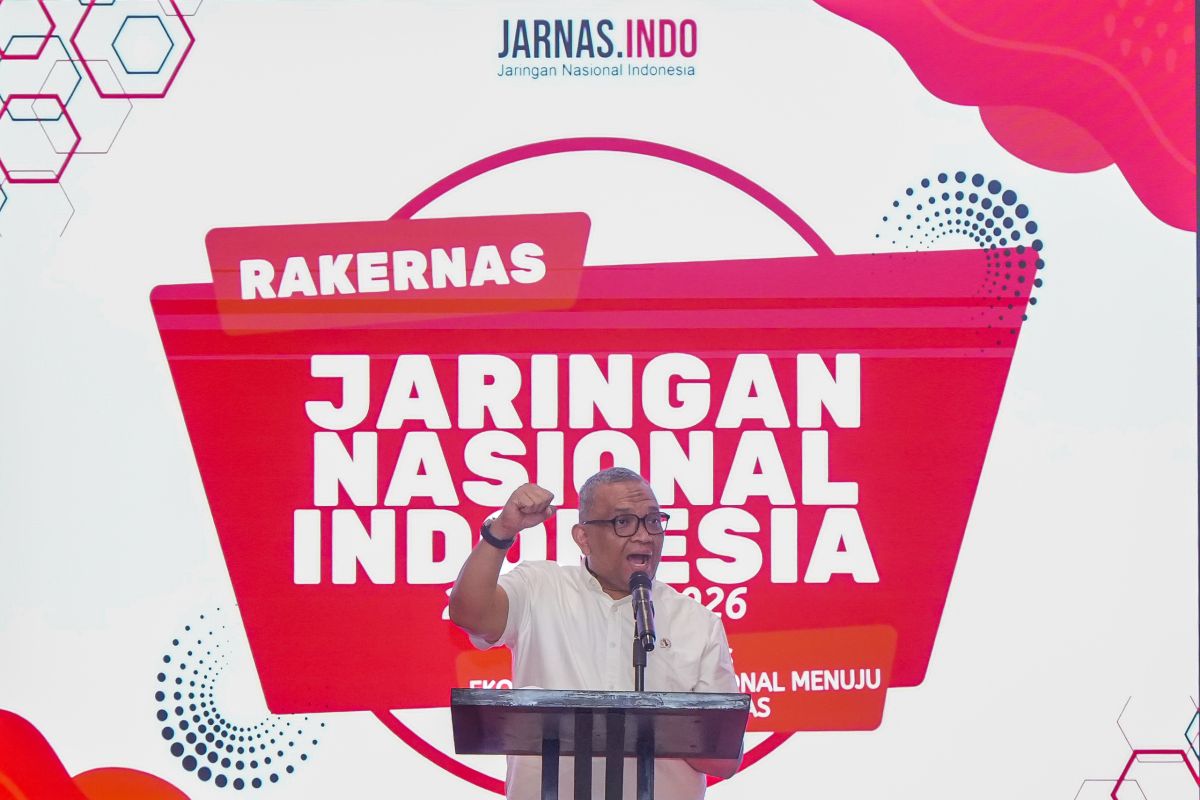
Jakarta (ANTARA) – Deputy Manpower Minister Afriansyah Noor said that improving the quality of human resources is an important element in supporting the national development agenda.
In a statement in Jakarta on Tuesday, Afriansyah said the Ministry of Manpower was continuing to strengthen human-resource development by expanding access to vocational training and competency certification, raising labour productivity, protecting workers, and aligning skills with the needs of businesses and industry.
“The ministry is also developing digital skills and green jobs to prepare Indonesian workers for technological change, economic transformation and the needs of future jobs,” he said.
Afriansyah further stressed that the success of labour development should be judged not only by the number of programmes delivered, but also by their impact on workers and society.
“Improved skills, broader employment opportunities, better worker welfare and higher national productivity are important measures of labour development,” the deputy minister said.
He added that realising Golden Indonesia 2045 also required young people to play an active role as drivers of change, guardians of integrity and creators of innovation.
The involvement of young people, he said, was needed to ensure national development generated not only economic growth but also prosperity that people could tangibly experience.
“Young people must take an active role as drivers of change, guardians of integrity and creators of innovation. We need collaboration across all elements of the nation so that economic growth does not just produce figures, but also brings prosperity that people can genuinely feel,” he said.
Afriansyah also said national development required the involvement of various parts of society so that policies would deliver tangible benefits to the people.
Therefore, spaces for dialogue, constructive criticism and practical ideas needed to be strengthened as part of a shared effort to achieve development that was equitable and focused on welfare.
“Let us foster a culture of constructive criticism, responsible public oversight and practical ideas to ensure development policies are transparent, conducted with integrity and properly targeted,” the deputy minister said.