
Deputy Interior Minister Urges Asia-Pacific Local Governments to Develop Sustainable Tourism
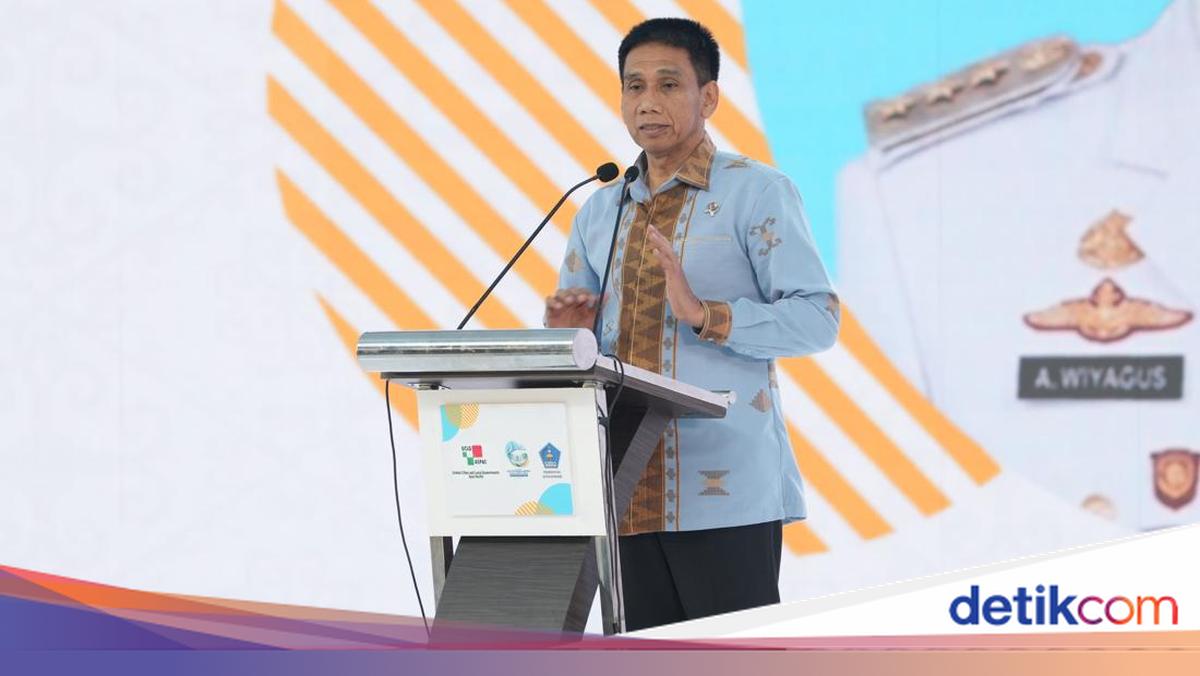
The call was delivered at the United Cities and Local Government Asia-Pacific (UCLG ASPAC) Executive Bureau Meeting and Asia-Pacific Forum at the Phinisi Ballroom, Hotel Claro, in Kendari, Southeast Sulawesi, on Friday (8/5). He emphasised that the forum represents a crucial opportunity to strengthen solidarity among regions in addressing global challenges. “We have gathered to tackle one major challenge: strengthening local governance for sustainable tourism and inclusive regional development,” stated Wiyagus in his remarks on Friday (8/5/2026). Wiyagus outlined Indonesia’s diverse tourism potential, from natural wealth and culture to societal diversity. Indonesia’s position on the equator with a tropical climate is also seen as supporting year-round tourism activities. He added that the government is currently promoting the development of five super-priority destinations and ten priority tourism areas, one of which is Wakatobi in Southeast Sulawesi. These steps aim to create new economic growth centres distributed evenly across various regions. However, he reminded that tourism development must still consider environmental aspects. According to him, issues like plastic waste and food waste pose serious challenges that need to be addressed collectively. “In the RPJMN (National Medium-Term Development Plan) 2025-2029, Indonesia is shifting the paradigm from mass tourism to quality tourism,” he said. This concept emphasises the development of high-quality tourism destinations with minimal negative impacts. Therefore, through the UCLG ASPAC forum, he invited all regions to accelerate the implementation of the blue economy, green economy, and circular economy in their respective areas. On that occasion, Wiyagus also proposed five joint action steps. First, forming networks and strengthening collaboration among stakeholders in the Asia-Pacific region. Second, promoting inclusive economic growth based on sustainable tourism. Furthermore, third, applying principles of sustainable tourism development. Fourth, utilising digital transformation to monitor environmental impacts and enhance tourist experiences. Fifth, strengthening the creative economy and empowering local Micro, Small, and Medium Enterprises (MSMEs). He hopes the forum will serve as a platform for exchanging best practices among regions while giving birth to strategic agreements that can be implemented concretely. “Let us make tourism an instrument of peace, prosperity, and sustainability for all people in the Asia-Pacific,” he concluded.