
Deputy Human Rights Minister: One Data on Human Rights Must Underpin Evidence-Based Policy
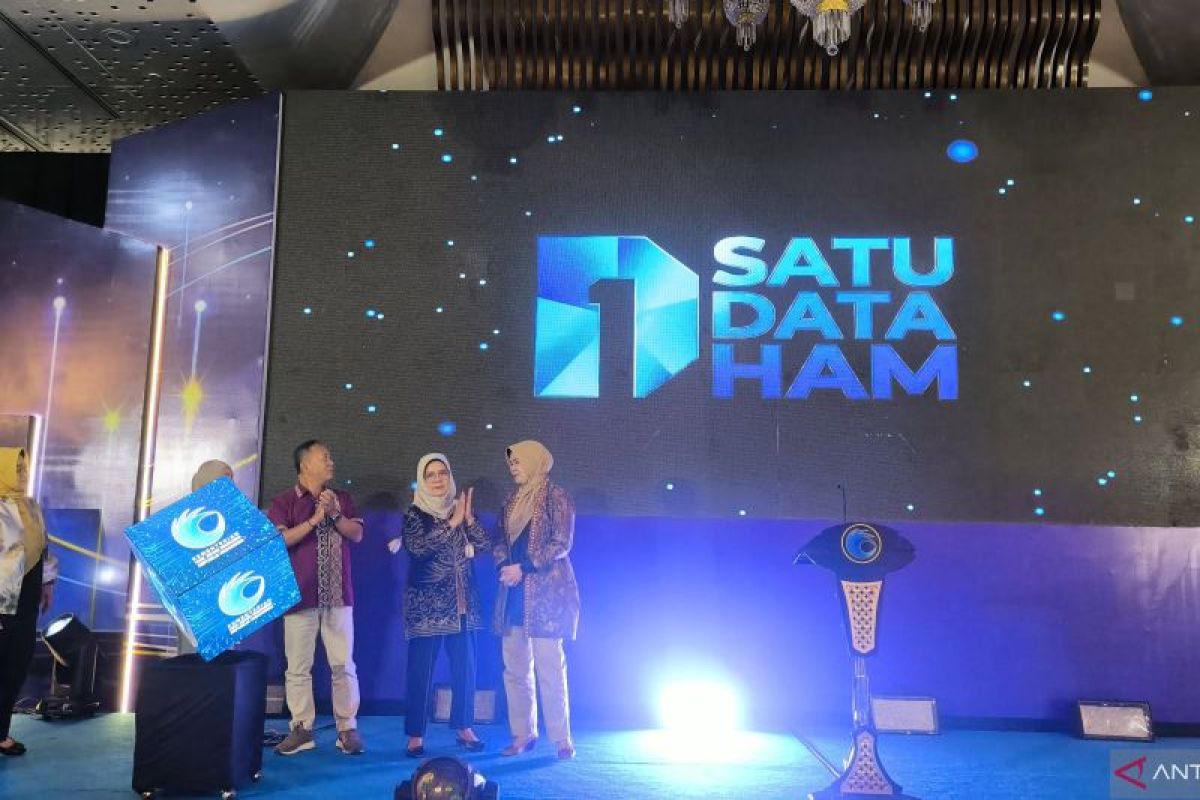
Jakarta (ANTARA) – Deputy Human Rights Minister Mugiyanto has stressed that One Data on Human Rights must underpin evidence-based policymaking to strengthen respect for, protection, fulfilment, enforcement and advancement of human rights (P5HAM) in Indonesia.
Mugiyanto said the government needs high-quality data to identify groups affected by human rights issues, map where problems occur, and assess how effectively policies and programmes reach those in need.
“One Data on Human Rights is not a technology project. It is the state’s response to the need to measure how far it has fulfilled its obligations to respect, protect, fulfil, enforce and advance human rights,” Mugiyanto said at the 2026 One Data on Human Rights publication event in Jakarta on Tuesday.
One Data on Human Rights implements Presidential Regulation No. 39/2019 on One Data Indonesia and Human Rights Ministerial Regulation No. 13/2025 on One Data on Human Rights.
Through the policy, the Ministry of Human Rights is promoting data integration and cross-sector collaboration so that policymaking is supported by standardised, verified and accountable information.
Mugiyanto said publishing the data would also help strengthen transparency and accountability in government’s human rights work. However, the disclosure of information must go hand in hand with protection of personal data and the confidentiality of protected information.
“Open, verifiable data that safeguards privacy will build public trust, and that trust is the most important asset for human rights policy,” he said.
He said the responsible use of data could help the government evaluate policies and determine more precisely targeted interventions.
The Ministry of Human Rights is therefore encouraging stronger collaboration among ministries and agencies, regional governments, academics and civil society.
Data disaggregated by gender, age, disability and region is also expected to help identify gaps in the fulfilment of rights.
This would enable communities that have so far been overlooked to receive greater attention in the formulation and implementation of government policies.
Mugiyanto stressed that the success of One Data on Human Rights should not be measured solely by the availability of an information system, but also by stakeholders’ willingness to use the data to improve policies and advance human rights.
“Data never speaks for itself. It has meaning when we are willing to listen to it, especially to the voices of groups that most often go unrepresented in the figures. Let us make One Data on Human Rights a shared space for collaboration towards more inclusive, accountable and just governance,” he said.
The event was also attended by the Executive Director of One Data Indonesia, data stewards and representatives of ministries and agencies belonging to the One Data on Human Rights forum, as well as media and civil society organisations.