
Deputy Home Minister Urges IPDN Graduates to Boost Leadership Capacity and Quality
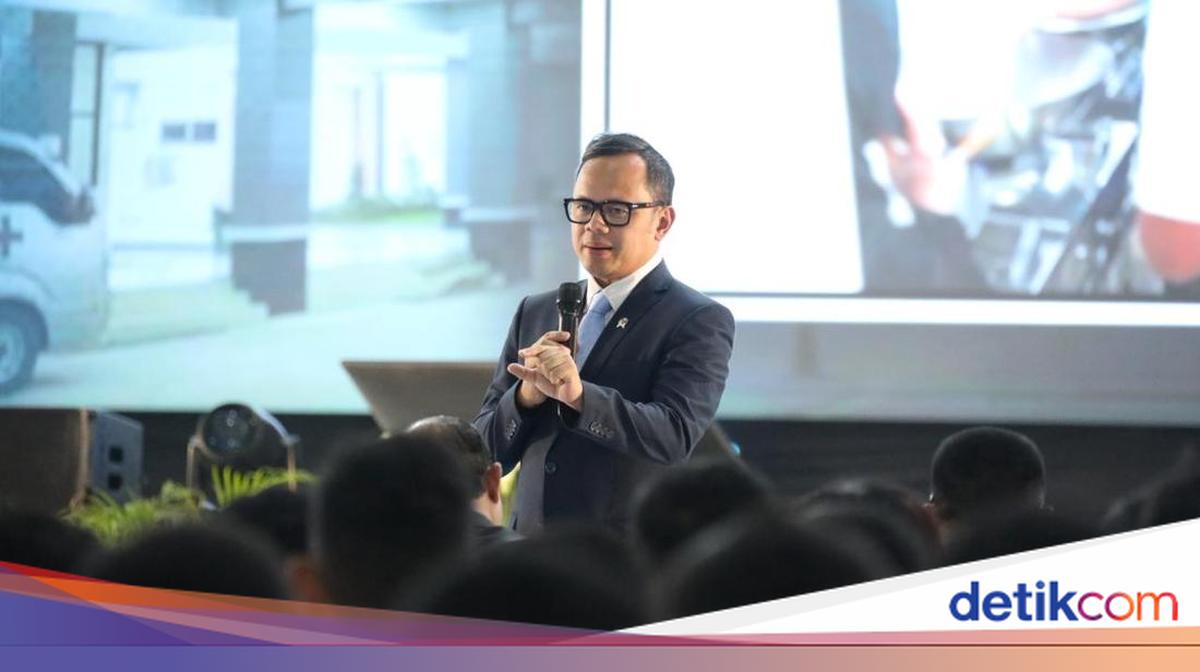
Deputy Minister of Home Affairs (Wamendagri) Bima Arya Sugiarto has encouraged praja and graduates of the Institute of Public Administration (IPDN) to continuously improve their capacity, competence, and leadership quality. This is considered essential preparation for future opportunities to become regional heads. According to him, the extensive experience praja gain in carrying out government duties from the lowest levels is a valuable asset not possessed by many other professions. “So when talking about leadership track records, it is the IPDN alumni who are truly ready, and perhaps the most ready,” he said in a written statement on Friday (19/6/2026). He made these remarks during a public lecture by the Coordinating Minister for Infrastructure and Regional Development at the Rudini Hall of the IPDN Jatinangor Campus, Sumedang Regency, West Java, on Thursday (18/6). Bima explained that pamong praja education has produced tens of thousands of apparatus who have dedicated themselves across various regions in Indonesia, from the APDN and STPDN eras through to its transformation into IPDN. They are now spread across various strategic government positions. From this number, several have also been elected as governors, regents, and mayors. According to him, these achievements are born from a long process of dedication and bureaucratic experience gained progressively through various field assignments. Bima assessed that the tour of duty experience, starting from village head, sub-district head, agency head, to regional secretary, provides a comprehensive understanding of governance, public service, and community needs. Therefore, IPDN graduates are considered to have a strong leadership foundation to lead regions. Bima also reminded that future regional heads will face increasingly complex challenges. Besides needing to respond to fast-moving global geopolitical dynamics, they are also required to oversee the implementation of national strategic programmes while meeting public expectations through the realisation of development promises in the regions. “So, once again, IPDN alumni should have the capacity to navigate these three difficult challenges,” he stressed. Additionally, Bima expressed his great hope that IPDN praja will always nurture the spirit of dedication ‘Bhinneka Nara Eka Bhakti’ and firmly uphold the idealism built on campus until their retirement. “If that happens, Mr Coordinating Minister, God willing, all these younger siblings will be ready to welcome 2045,” he concluded.