
Deputy Home Minister Encourages Native Papuan Involvement in 2026 Economic Census
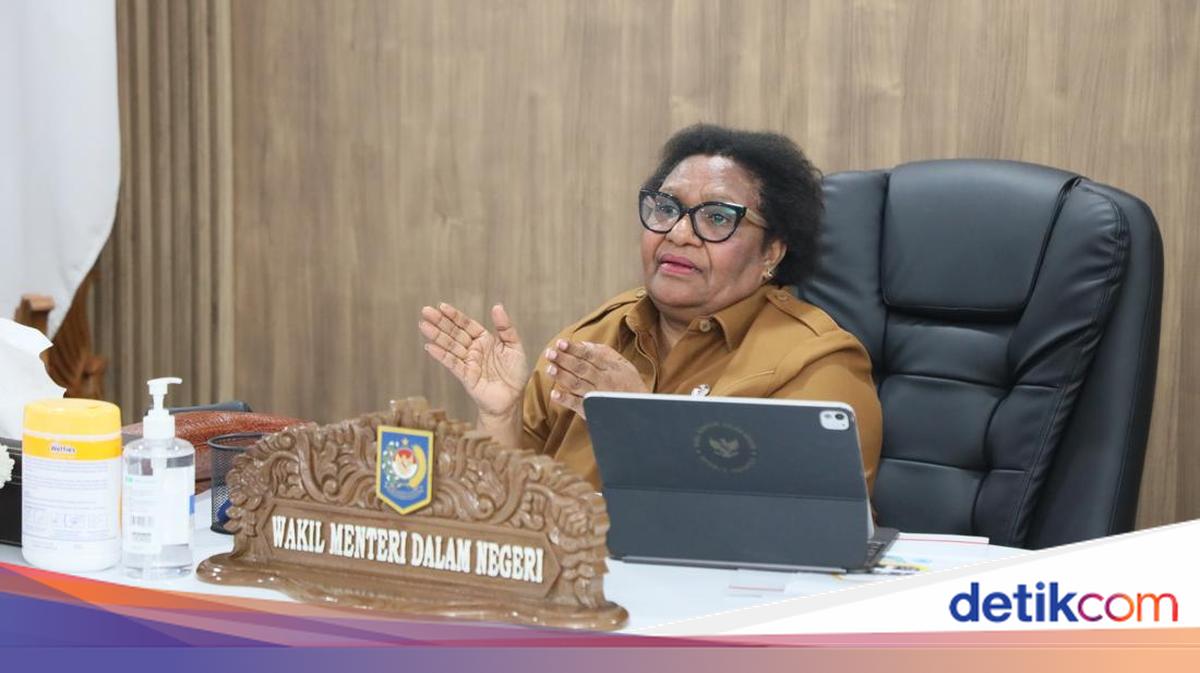
Deputy Minister of Home Affairs (Wamendagri) Ribka Haluk is encouraging the involvement of more native Papuans (OAP) as field data collectors for the 2026 Economic Census in Papua. According to Ribka, a socially and culturally sensitive approach will facilitate the data collection process, especially in areas with complex geographical and social characteristics. “When recruiting human resources to collect data down to the district level, there must be a special policy; native Papuan children need to be appointed to prevent rejection,” Ribka stated in a written statement on Monday (6/7). She made these remarks during a virtual meeting with the Head of the Central Statistics Agency (BPS) from the Ministry of Home Affairs office in Jakarta. Ribka explained that the success of the census relies not only on field officers but also requires full support from local governments and all stakeholders. She therefore requested that the census be carried out in close collaboration with governors, regents, and the Regional Leadership Coordination Forum (Forkopimda) in Papua. Furthermore, Ribka encouraged the adoption of a proactive outreach strategy, similar to that used by the Directorate General of Population and Civil Registration (Ditjen Dukcapil), to reach communities in underdeveloped, frontier, and outermost (3T) areas. She emphasised that data accuracy is vital as it will form the basis for formulating various development policies, including the distribution of the Special Autonomy Fund (Otsus), the Special Allocation Fund (DAK), and other government programmes targeting the Papuan people. Ribka also highlighted the importance of updating data to reflect the real state of welfare in Papua, noting that accurate data is needed to objectively measure the impact of government development interventions. “If we remain like this, and data from year to year still shows Papua as poor despite government interventions, the public will perceive that the Indonesian government has not intervened,” she asserted. On the other hand, Ribka also expressed appreciation to BPS for the synergy established in supporting national data provision. She affirmed that the Ministry of Home Affairs will continue to provide technical support, assistance, and strengthen cross-sector coordination. Through these efforts, it is hoped the 2026 Economic Census will produce accurate, high-quality, and accountable data. “Together with the technical team from the Directorate General of Dukcapil and the Directorate General of Regional Development, I will always be ready to provide support until we produce the required census data for 2026,” Ribka said. The event was also attended by Head of BPS Amalia Adininggar Widyasanti, Deputy for Statistical Methodology and Information Pudji Ismartini, Director of Expenditure Accounts Windhiarso Ponco Adi, Head of the BPS Human Resources Bureau Eni Lestariningsih, and other relevant parties.