
Deputy Home Affairs Minister Urges Six Strategic Steps to Strengthen Palm Oil Governance
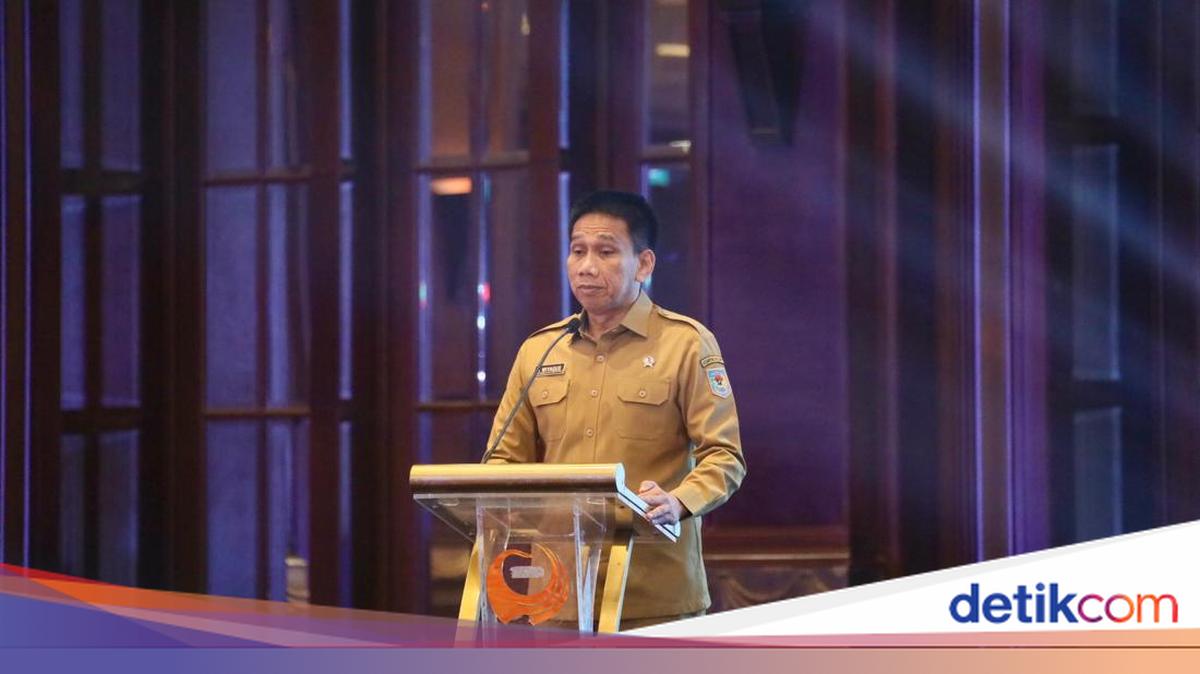
The Deputy Minister of Home Affairs, Akhmad Wiyagus, is urging regional governments in palm oil-producing areas to strengthen the governance of the commodity through six strategic steps. This effort is considered vital to ensure that regions can optimise palm oil potential while addressing various management challenges.
Wiyagus explained that strengthening palm oil governance is in line with the mandate of Article 33 of the 1945 Constitution. These efforts also support the implementation of the President’s ‘Asta Cita’ programme, as outlined in the 2025-2029 National Medium-Term Development Plan (RPJMN).
Within this framework, the palm oil sector is positioned not merely as a plantation commodity, but as an instrument to support national development. Through good governance, the palm oil sector is expected to strengthen energy security through biodiesel development, drive downstreaming of natural resource-based industries, and expand economic equality through the empowerment of smallholder farmers.
“Palm oil is a success story of downstreaming. From CPO (crude palm oil) to cooking oil, oleochemicals, biofuels, and even pharmaceutical and cosmetic products. This downstreaming is what creates jobs and adds value to the regions,” Wiyagus stated in a written release on Tuesday (7/7/2026).
He made these remarks during the Workshop of the Indonesian Palm Oil Producing Regency Association (AKPSI) and the Palm Oil Expo at the Birawa Assembly Hall, Hotel Bidakara, Jakarta.
To optimise palm oil management, Wiyagus emphasised the importance of strengthening governance through six strategic steps. These steps include training and capacity building for farmers and smallholders, increasing the added value of plantation commodities, fostering collaboration and partnerships, monitoring and evaluation, synchronising regional policies with central government policies, and strengthening governance and data management.
According to Wiyagus, these six strategies are key to ensuring that palm oil development not only increases productivity and competitiveness but also creates jobs, enhances regional added value, and improves the welfare of farmers.
“To the governors, regents, and mayors of palm oil-producing regions, I also request that these six steps are truly internalised within regional planning and budgeting documents, and that the palm oil revenue sharing fund (DBH) is utilised effectively,” Wiyagus added.
He assessed that successful palm oil governance would lead to optimal regional development. Furthermore, these efforts would provide widespread benefits, including job creation, increased industrial added value, and support for regional economic growth.
“Our task today is to ensure that this blessing is managed as well as possible, sustainably, and fairly for the prosperity of the people, so that palm oil truly becomes a pillar in achieving the bridge towards Golden Indonesia 2045,” he concluded.
Source: jawawa.id (https://jawawa.id/newsitem/deputy-home-affairs-minister-urges-six-strategic-steps-to-strengthen-palm-oil-governance-1783437613)
Originally published by detikcom (https://news.detik.com/berita/d-8564300/wamendagri-dorong-penguatan-tata-kelola-sawit-lewat-6-langkah-strategis), translated from Indonesian