
Deputy Home Affairs Minister Urges Expedited Census of Indigenous Papuans to Formulate Programs
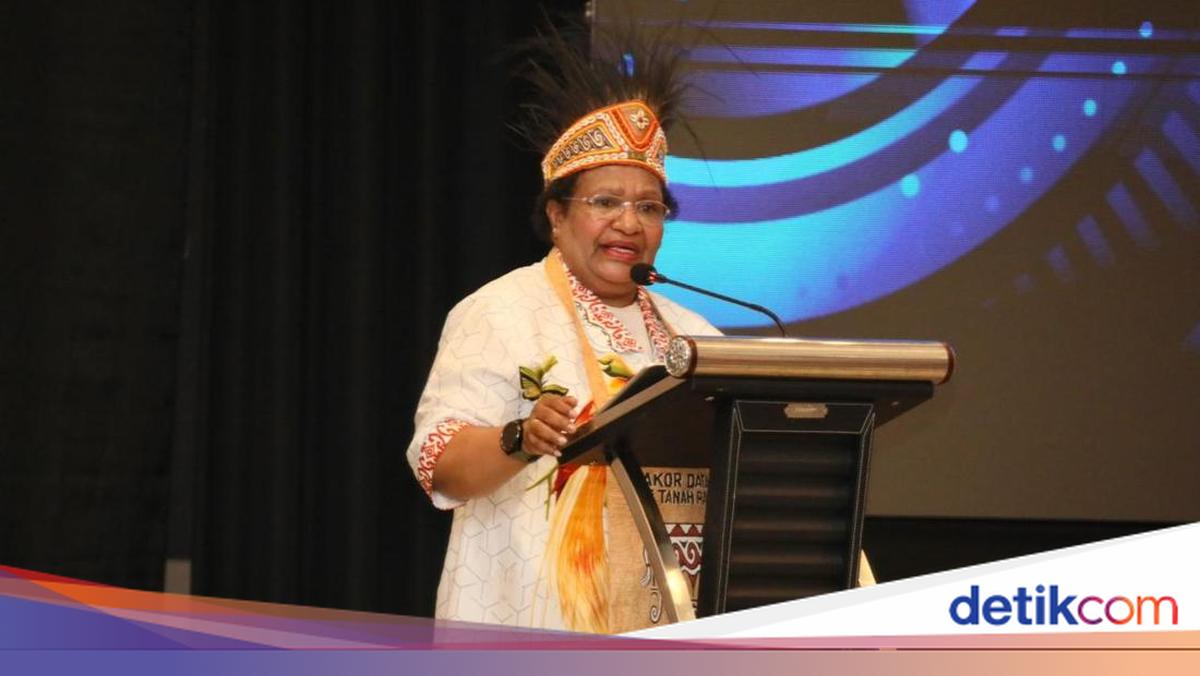
Deputy Minister of Home Affairs Urges Expedited Census of Indigenous Papuans to Formulate Programs
The Deputy Minister of Home Affairs said the data collection is considered essential so that government programs and budget allocations can be properly targeted. The census is also an agreement between the Ministry of Home Affairs (Kemendagri) and the Indonesian House of Representatives (DPR RI) in a Working Meeting (Rapat Kerja) and a Public Hearing (RDP) some time ago.
‘So, synchronising the policy framework for the administration of Indigenous Papuan population data — today’s meeting I think is a very strategic one for all of us. In order to determine the direction of our policy going forward to redevelop all the things we must do,’ Ribka said in a written statement on 21 May 2026.
She delivered these remarks as she opened the Coordination Meeting (Rakor) on Indigenous Papuan (OAP) data across Tanah Papua to strengthen population administration in providing data on Indigenous Papuans to support the implementation of the Special Autonomy Law, at the Suni Abepura Hotel, Jayapura, Papua, on 21 May.
She noted that the total population for Tanah Papua based on clean population data for the second half of 2025 is: Papua Province 1,122,097; Papua Barat 558,491; Papua Selatan 588,837; Papua Tengah 1,384,227; Papua Pegunungan 1,481,059; and Papua Barat Daya 632,788.
According to Ribka, population data specifically for Indigenous Papuans will be a primary indicator in programme formulation. Therefore, regional governments are urged to improve and strengthen the validity of Indigenous Papuan population data.
‘The Minister (the Minister of Home Affairs) has ordered that we must conduct a census of Indigenous Papuans, because without this the programme will not be targeted. Why is this data important? Because this data also determines the allocation of funds (OTSUS and other funds),’ she said.
She added that the implementation of Special Autonomy (Otsus) for Papua must be grounded in three main principles: affirmation, protection, and empowerment for Indigenous Papuans. These three principles should be taken into account by local governments at both the provincial level and the regency/city level. This includes the exercise of special authorities and political affirmation for Indigenous Papuans in the Papua Regional People’s Representative Council (DPRP) and the Regency/City Councils (DPRK).
‘This is very important, so we can evaluate such matters. I have said we will work for the MRP (Majelis Rakyat Papua), the DPRK, and we will seek their performance results,’ she noted.
Furthermore, Ribka stressed that the Indigenous Papuan census aims to measure the welfare of Papuan communities more comprehensively, from housing and education to public health, through an integrated system and based on interoperability principles. Therefore, she urged the Population and Civil Registration Service (Dukcapil) across Tanah Papua to oversee this programme effectively.
‘So please inform and socialise to our communities that we will carry out a census with the Badan Pusat Statistik (BPS) and the Ministry of Home Affairs. We will census to measure welfare levels,’ she concluded.
For information, the Rakor was also attended by Papua’s Deputy Governor Aryoko Rumaropen, Acting Provincial Secretary Lukas Christian Sohilait, heads of Dukcapil across Tanah Papua, and members of the Regional Leadership Coordination Forum (Forkopimda) across Tanah Papua.