
Deputy Home Affairs Minister Stresses the Importance of Synchronising Papua’s RPJMD with RPJMN
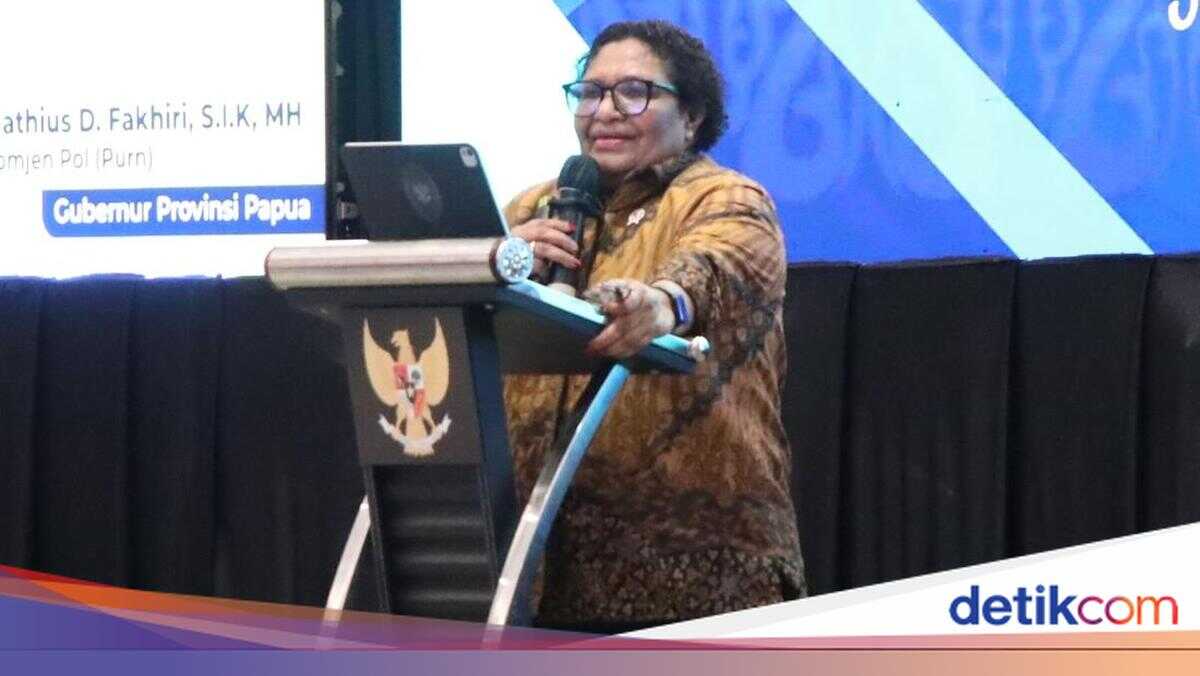
Deputy Minister of Home Affairs (Wamendagri) Ribka Haluk emphasised the importance of synchronising the Regional Medium-Term Development Plan (RPJMD) with the National Medium-Term Development Plan (RPJMN). The move is considered essential so that local development directions can run in step with national priorities. She explained that every regional head elected through the regional elections (Pilkada) brings a local development vision and mission, which is then articulated in the RPJMD document and serves as the regional development guide for the five-year tenure.
“In today’s Musrenbang, we have a strategic opportunity to discuss the province’s RPJMD 2025–2029. The governor’s vision and mission arising from Pilkada are synchronised with the national RPJMN, so we can see whether the policies are aligned or not,” Ribka said in a written statement on Thursday, 5 March 2026, during the Musrenbang RPJMD Papua at the Suni Abepura Hotel in Jayapura Regency, Papua.
She also highlighted the importance of synergy among ministries and agencies in supporting the regional planning process. Effective coordination is required to ensure Musrenbang at the regional level can align with central government policies. “I hope the relevant ministries and agencies can attend Musrenbang in the regions, especially the provincial Musrenbang. I am here representing the Minister of Home Affairs, but some ministries/agencies have not yet attended. Their presence is important so that they can directly monitor and observe the various on-ground obstacles, so that together we can safeguard and support development in the regions,” she emphasised.
Ribka further noted that Papua Province currently faces several development challenges that require prompt action, including high poverty and unemployment, low regional fiscal capacity, and limited economic growth. Therefore, local governments must undertake transformation and accelerate development across strategic sectors. “I urge the governor, deputy governor, and all regents to promptly implement transformation on these challenges, or pursue improved growth,” she said.
She also underlined the importance of boosting Papua’s Human Development Index (HDI) through strengthening education, health, and the community economy, arguing that the three sectors are interlinked and vital to improving people’s quality of life. “HDI must be improved, and with progress in education and health — if education is good, health is good, and the economy is good — the HDI will certainly be better,” she explained.
According to Ribka, Papua Province plays a pivotal role as a development benchmark for other new autonomous regions (DOB) in the Papua region. Despite various limitations, the provincial government must continue to ensure that public services are delivered effectively. “Papua Province serves as the benchmark, the standard for other DOB regions. With all limitations, the regional government must continue to serve the people,” she concluded.