
Deputy Home Affairs Minister Outlines Six Steps for Regional Governments to Strengthen Palm Oil Governance
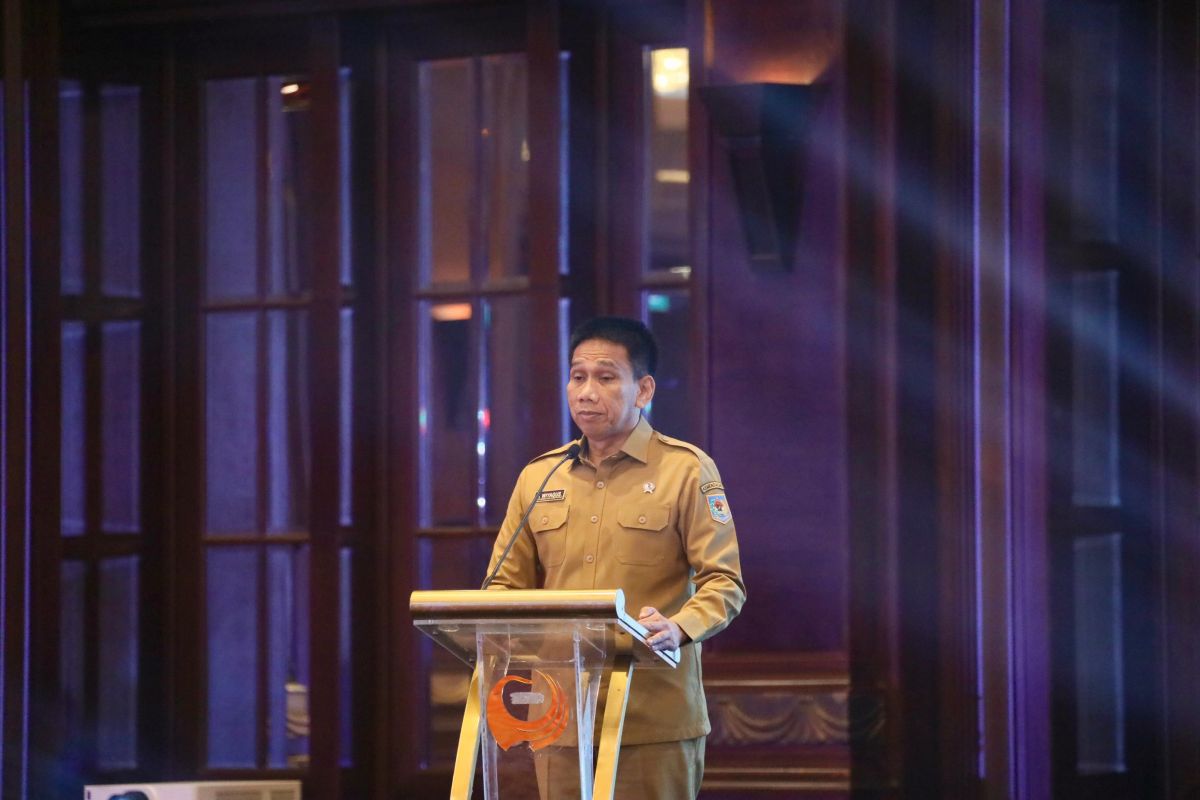
Jakarta (ANTARA) - Deputy Minister of Home Affairs Akhmad Wiyagus has emphasised to palm oil-producing local governments the need to strengthen the governance of the commodity through six strategic steps.
These steps include training and capacity building for farmers and smallholders, increasing the added value of plantation commodities, fostering collaboration and partnerships, monitoring and evaluation, synchronising regional policies with central government policies, and strengthening governance and data management.
“To the governors, regents, and mayors of palm oil-producing regions, I also request that these six steps are truly internalised within regional planning and budgeting documents, and that palm oil revenue sharing funds (DBH) are utilised with precise targeting,” Wiyucus added in a statement in Jakarta on Tuesday.
This was conveyed by the Deputy Minister during the Workshop of the Indonesian Association of Palm Oil Producing Regencies (AKPSI) and the Palm Oil Expo in Jakarta on Tuesday.
Wiyagus stated that these six strategies are key to ensuring that palm oil development not only increases productivity and competitiveness but is also capable of creating jobs, increasing regional added value, and strengthening the welfare of smallholders.
He explained that strengthening palm oil governance is in line with the mandate of Article 33 of the 1945 Constitution. Such efforts also support the implementation of the President’s ‘Astacita’ programme, as outlined in the 2025–2029 National Medium-Term Development Plan (RPJMN).
Within this framework, the palm oil sector is positioned not merely as a plantation commodity, but as an instrument to support national development.
Through good governance, the palm oil sector is expected to strengthen energy security through biodiesel development, drive downstreaming of industries based on natural resources, and expand economic equality through the empowerment of smallholder farmers.
“Palm oil is a success story for downstreaming. From CPO (crude palm oil) to cooking oil, oleochemicals, biofuel, and even pharmaceutical and cosmetic products. It is this downstreaming that creates jobs and added value in the regions,” he said.
He added that successful palm oil governance would lead to optimal regional development.
Furthermore, these efforts will provide widespread benefits, including the ability to create employment, increase industrial added value, and support economic growth in the regions.
“Our task today is to ensure that this blessing is managed as well as possible, sustainably, and fairly for the prosperity of the people, so that palm oil truly becomes a pillar in realising the bridge towards Golden Indonesia 2045,” he concluded.
Source: jawawa.id (https://jawawa.id/newsitem/deputy-home-affairs-minister-outlines-six-steps-for-regional-governments-to-strengthen-palm-oil-governance-1783428816)
Originally published by Antara (Indonesian) (https://www.antaranews.com/berita/5639192/wamendagri-tekankan-enam-langkah-pemda-perkuat-tata-kelola-sawit), translated from Indonesian