
Deputy Home Affairs Minister highlights the need for synergy and governance in Papua development
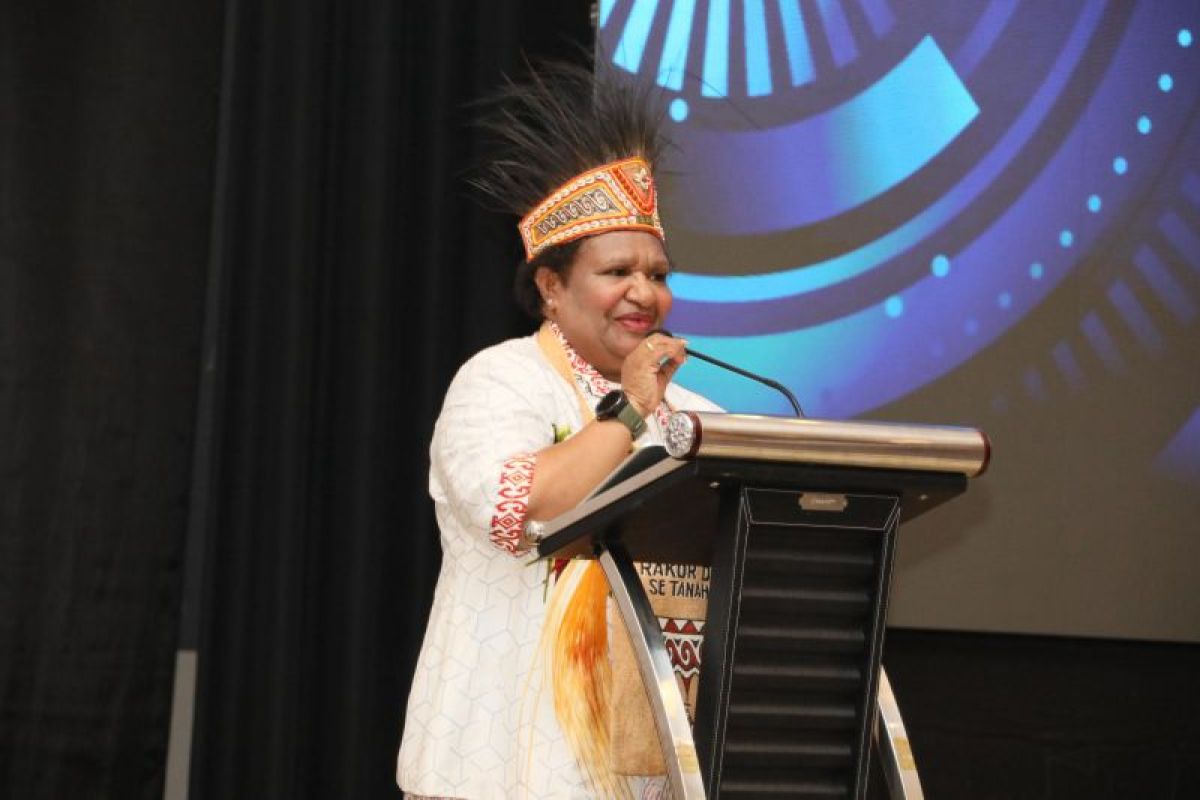
Jakarta - Deputy Home Affairs Minister Ribka Haluk stressed the importance of strengthening synergy, coordination, and government governance in accelerating development in Papua.
“Papua’s development is one of the national priority agendas consistently receiving full attention from the President and the Government of the Republic of Indonesia. This commitment is reinforced through various policies, regulations, and affirmative actions,” Ribka said in a statement on Tuesday.
She made the remarks during her speech at the Virtual Dialogue Forum for Accelerating Papua Development from the Ministry of Home Affairs (Kemendagri) headquarters in Jakarta.
The forum, themed “Strengthening Development Partnerships in Papua through More Effective Coordination, Synergy, and Collaboration”, serves as a strategic platform to enhance coordination, synchronisation, evaluation, and collaboration among all stakeholders to support accelerated development and improved welfare for Papuan residents.
A key strategic step is the issuance of Presidential Regulation (Perpres) No. 24 of 2023 on the Long-Term Accelerated Development Plan for Papua (RIPPP) 2022–2041 as the framework for long-term development.
The RIPPP 2022–2041 places human development and improved community welfare as the main focus, achieved through strengthening government governance, enhancing basic service quality, building inclusive economic growth, improving regional connectivity, and reinforcing the role of indigenous communities and local culture. Development efforts are directed towards Healthy Papua, Smart Papua, and Productive Papua.
“The Ministry of Home Affairs, in line with its duties and functions, has a strategic role in providing guidance, overseeing regional government administration, strengthening central-local coordination, promoting policy synchronisation, and ensuring the Special Autonomy for Papua is implemented in accordance with regulations,” she said.
She added that Special Autonomy Funds must be managed according to the 5T principles: accurate data, timely delivery, correct amount, proper targeting, and appropriate usage.
“This 5T framework should serve as a guideline for regional governments as we continue to drive change,” she said.
The forum was attended by Executive Committee Chair of the Accelerated Otsus Papua Development Velix Wanggai, Head of Kemendagri’s Cooperation Facilitation Centre Ahmad Fajri, Director of Village Funds, Incentives, Special Autonomy, and Special Status (DDIOKK) at the Ministry of Finance Jaka Sucipta, along with officials from relevant ministries and agencies and national and international development partners.