
Deputy Health Minister: PHOTON Aims to Strengthen Indonesia-Tanzania TB Response Through Nutrition
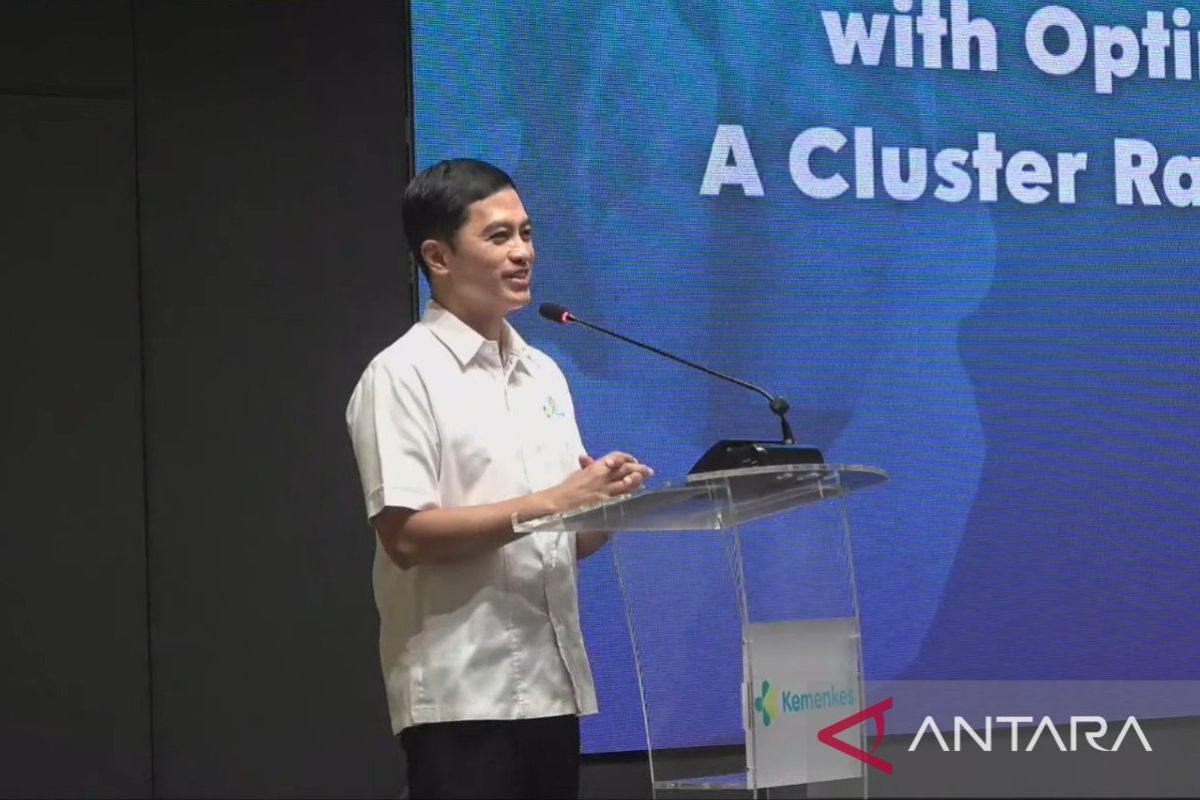
Jakarta (ANTARA) — Deputy Health Minister Dante Saksono Harbuwono said Indonesia and Tanzania are conducting the Prevention of Household Tuberculosis with Optimal Nutrition (PHOTON) clinical trial to research TB management through a nutritional approach.
“PHOTON will test whether micronutrient supplementation and balanced protein can prevent and treat TB more effectively. This is the question we will answer together in a study that will run for five years,” Dante said in Jakarta on Thursday.
Dante said more than one million people in Indonesia fall ill with the disease each year, and some die because of delays in treatment or inadequate treatment.
“There are various obstacles, including TB treatment and nutritional issues, which will be highlighted in the PHOTON study. Perhaps one answer lies in what we have on our dinner plates,” he said.
The study, supported by the Gates Foundation, Wellcome Trust and Novo Nordisk, is important because it could help shape TB management not only through medical treatment but also through appropriate nutrition, Dante said.
“Secondly, it is a tangible contribution by Indonesia to the world, as we continue to strengthen our clinical research. This study is being conducted at the University of Indonesia,” he said.
Dante said 867,000 TB cases were identified in 2025, representing 80 per cent of the estimated total. In 2026, TB detection efforts are improving through the integration of TB screening into the Free Health Check programme (CKG), as well as household-contact screening, which has reached 19.7 per cent of its target of 80 per cent.
He said tackling TB was a major challenge requiring the involvement of academics, clinicians, the private sector and the public. The study could produce evidence to support new approaches to TB management in the future.
PHOTON study principal investigator Rina Agustina said that, given the close links between TB, nutritional status and socioeconomic conditions, nutritional interventions could complement existing measures by protecting at-risk groups and supporting faster TB elimination.
“The RATIONS study in India, published in The Lancet, showed that nutritional support reduced the incidence of bacteriologically confirmed pulmonary TB by up to 48 per cent among household contacts of TB patients,” Rina said.
She said those findings provided the basis for PHOTON, which aims to evaluate the efficacy of six months of nutritional supplementation in reducing bacteriologically confirmed TB—both pulmonary and extrapulmonary—among household contacts of TB patients.
Rina said the study would involve 78,400 participants. In Indonesia, it is being led by the University of Indonesia and its partners; in Tanzania, it is led by the National Institute for Medical Research (NIMR).
“The study compares three nutritional supplementation approaches: vitamin B; a combination of vitamin B and multiple micronutrient supplementation; and a combination of vitamin B, multiple micronutrients and balanced energy-protein supplementation. These will be compared with a placebo group. We expect to assess the benefits over 24 months,” she said.
Source: jawawa.id (https://jawawa.id/newsitem/deputy-health-minister-photon-aims-to-strengthen-indonesia-tanzania-tb-response-through-nutrition-1792652082)
Originally published by Antara (Indonesian) (https://www.antaranews.com/berita/5804049/wamenkes-photon-upaya-ri-tanzania-kuatkan-penanganan-tb-lewat-nutrisi), translated from Indonesian