
Deputy Health Minister: Patient Safety for Non-Communicable Diseases Must be Maintained Throughout Treatment
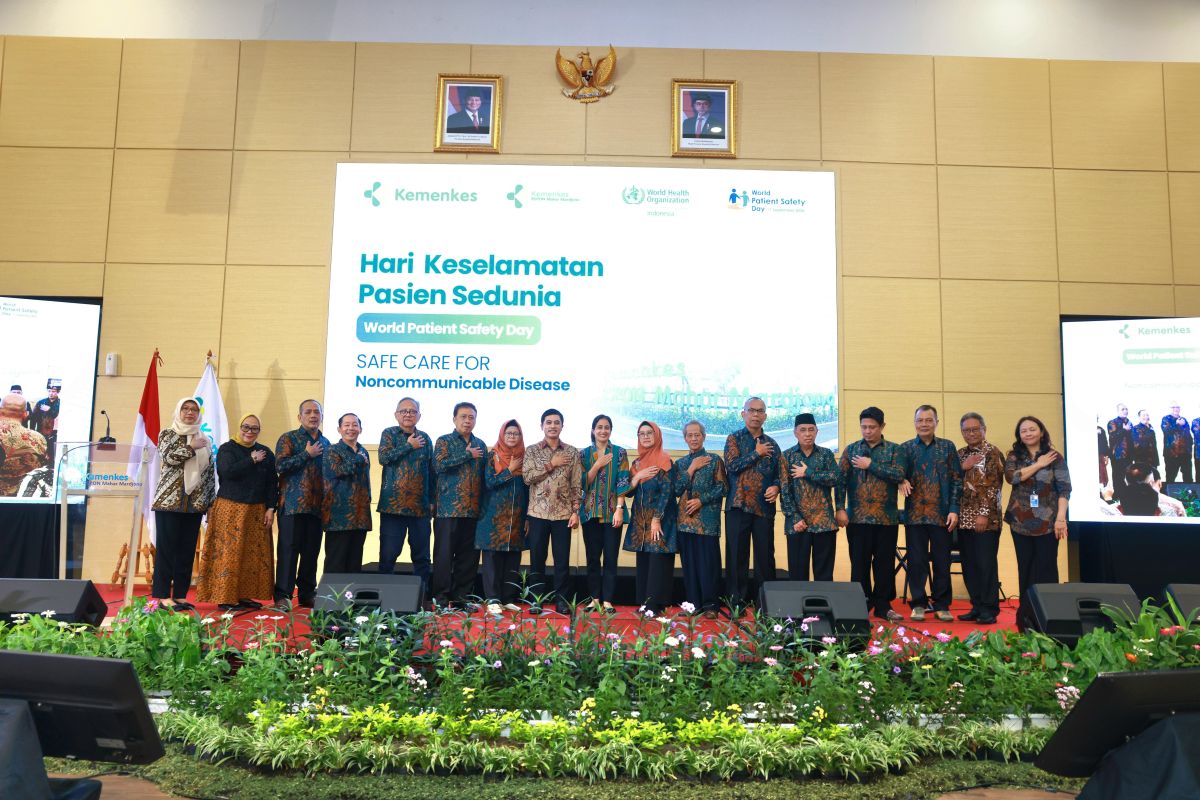
The Ministry of Health has emphasised the importance of ensuring patient safety at every stage of healthcare delivery, particularly for patients with non-communicable diseases (NCDs) who face critical points that can pose safety risks during long-term care.
Speaking in Jakarta on Friday, the Deputy Minister of Health, Dante Saksono Harbuono, stated that the journey for patients with NCDs can be long and complex. At every stage, there are potential risks, ranging from delayed or incorrect diagnoses and medication errors to the risk of patient falls or patient misidentification.
Therefore, patient safety should not be judged solely by treatment outcomes, but also by how services are delivered safely at every stage. To this end, the Ministry of Health continues to encourage the implementation of service standards and the accreditation of healthcare facilities. Currently, Dante noted, more than 96 per cent of hospitals have been accredited by accreditation bodies designated by the Ministry of Health.
Strengthening patient safety is also supported through the use of digital technology. The SATUSEHAT platform assists in documenting medical histories, laboratory results, and patient treatments, ensuring that health information remains continuous when patients move between services. “With better documentation of health information, we can reduce the risk of errors caused by incomplete information and ensure that services are more continuous,” he said.
In addition to strengthening service systems, Dante emphasised the importance of involving patients and their families as part of the effort to maintain patient safety. Patients need to understand their health conditions, know the available therapy options, feel empowered to ask questions and express concerns, recognise danger signs, and participate in decision-making regarding their healthcare.
Meanwhile, families play a role in supporting treatment adherence, monitoring the patient’s condition, and ensuring that care is proceeding correctly.
In the same vein, the Deputy Head of WHO Indonesia, Tara Kessaram, emphasised that patient safety is the foundation of quality healthcare and a vital part of building public trust in the health system. She noted that globally, approximately 1 in 10 patients experience harm or injury while receiving healthcare, and about half of these incidents are considered preventable.
“Patient safety must be protected throughout the continuum of care, starting from prevention, timely and accurate diagnosis, treatment and medication management, referrals, transitions of care, long-term monitoring, to support for self-care,” said Tara.