
Deputy Health Minister: One Health is the Foundation of Indonesia's Health Sovereignty
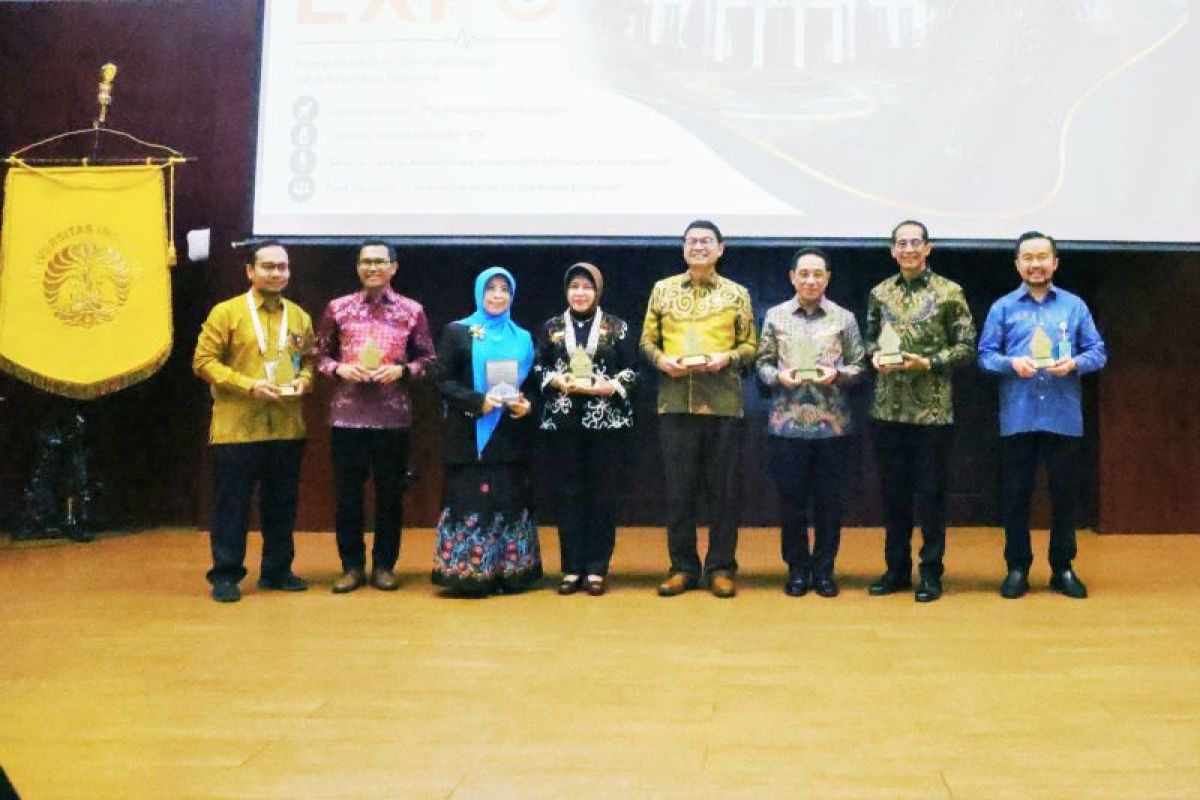
Jakarta (ANTARA) - Deputy Health Minister Benjamin Paulus Octavianus said strengthening cross-sector collaboration through the One Health approach is an important foundation for building self-reliance in medicines, vaccines and health services in order to achieve Indonesia’s health sovereignty.
Benny, as he is known, said Indonesia has major assets in the form of biodiversity, a demographic bonus, digital technology development and increasingly quality human resources. This potential must be harnessed so that Indonesia does not merely become a user of scientific knowledge, but also a centre of innovation and a contributor to global health.
“That is why strong collaboration is needed between government, universities, research institutions, industry and regulators,” he said at the launch of the Indonesia One Health Ecosystem and the Center of Excellence for Indonesia Health by the Faculty of Medicine, University of Indonesia (FKUI), in Jakarta on Thursday.
“Research outcomes must have an impact on health services and serve as the basis for formulating national policy,” Benny said.
He cited tuberculosis vaccine development as one national priority requiring close collaboration between universities, the National Research and Innovation Agency (BRIN), Bio Farma, the Food and Drug Supervisory Agency (BPOM), and the Ministry of Health.
According to him, Indonesia must be able to produce health innovations that address the nation’s needs while strengthening its competitiveness globally.
Pungkas Bahjuri Ali, Deputy for Human Development and Culture at the Ministry of National Development Planning, said the One Health approach has become a necessity because most current health threats cannot be resolved by a single sector alone.
“Around 60 per cent of infectious diseases in humans originate from animals, and around 75 per cent of new infectious diseases are zoonotic. That is why the One Health approach, which integrates human health, animal health and environmental health, must be implemented within one system. The key to its success is cross-sector collaboration,” Pungkas said.
He said the government is also currently drafting a national One Health regulation that will serve as a reference for strengthening coordination across ministries and agencies in controlling zoonoses, neglected tropical diseases, antimicrobial resistance, food safety and environmental health.