
Deputy Health Minister: Free health checks target 19 million people in January-April 2026
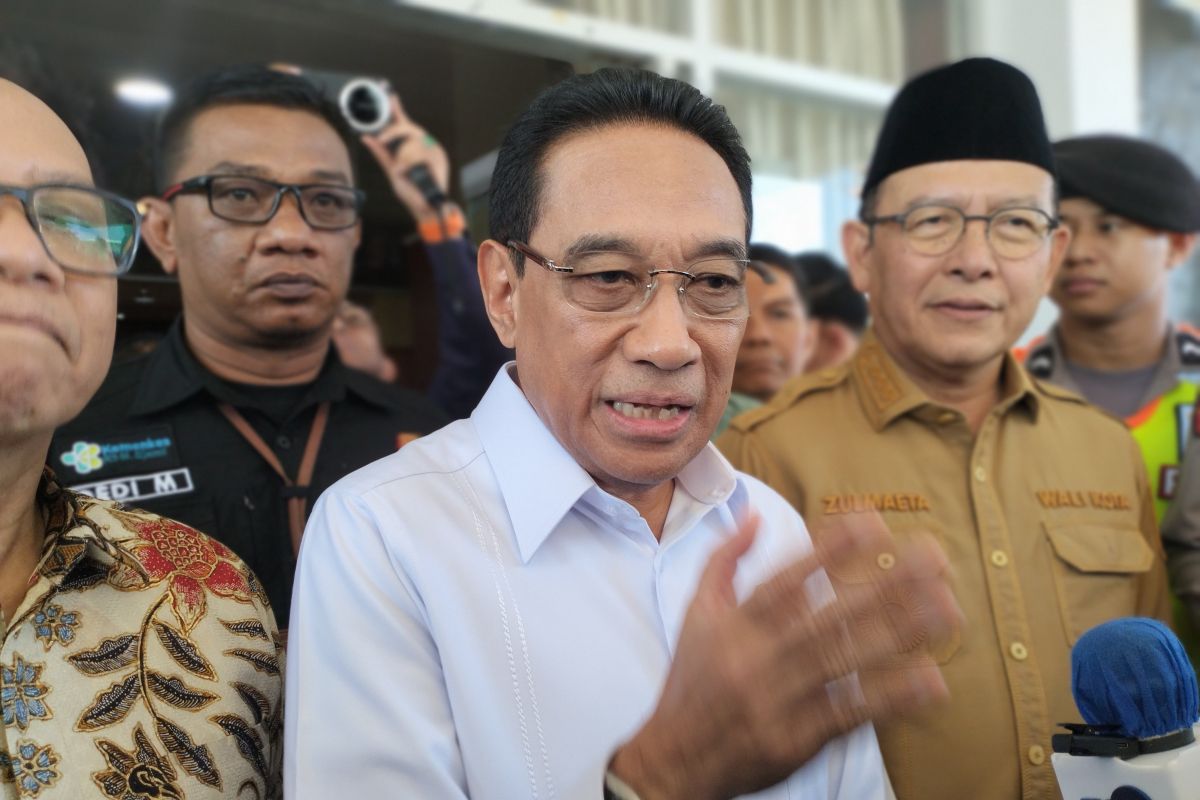
Padang (ANTARA) - Indonesia’s Deputy Minister of Health, Benjamin Paulus Octavianus, stated that the free health check (CKG) programme has targeted around 19 million people during the period from January to April 2026. “Around 1.16 million of them have been recorded with treatment management and disease control status,” the Deputy Minister said in Padang on Tuesday. He explained that the health programme, which began in February 2025, generally targets 70 million people to be examined in the first year, and this has been achieved with details of 46 million people for annual CKG and 24 million for school CKG. “Meanwhile, this year it is hoped to reach 150 million people. However, ideally, it is hoped that in the end all Indonesian people can undergo CKG once our facilities are complete,” he said. Because, he added, CKG is fundamentally very important in conducting early detection of hypertension, tuberculosis, diabetes mellitus, and nutritional status. So far, Indonesians are not accustomed to regular health checks, but only when intending to go on Hajj, Umrah, or for work purposes. “BPJS funds for catastrophic diseases are depleted very significantly, even though the diseases can be prevented,” he said. He cited the budget for dialysis in 2020 at Rp2.3 trillion and for this year consuming up to Rp13.4 trillion. Similarly, heart attacks reach more than Rp17 trillion. “Currently, there are 156,000 people on dialysis and that can be covered by BPJS because the state is capable. But what if the number increases to 300,000 people? Whereas dialysis can be prevented with controlled hypertension and diabetes,” he said. In the future, he hopes that hospitals or health facilities that are increasingly numerous and currently being built can be visited by people not just for treatment when ill, but for early detection or disease prevention. Moreover, he added, with the availability of increasingly sophisticated medical equipment for early detection of various diseases. “So far, CKG has been implemented at community health centres, schools, ministries or agencies, and several communities,” he said.