
Deputy Hajj Minister Dahnil Explains Role of Non-Muslim Hajj Officers
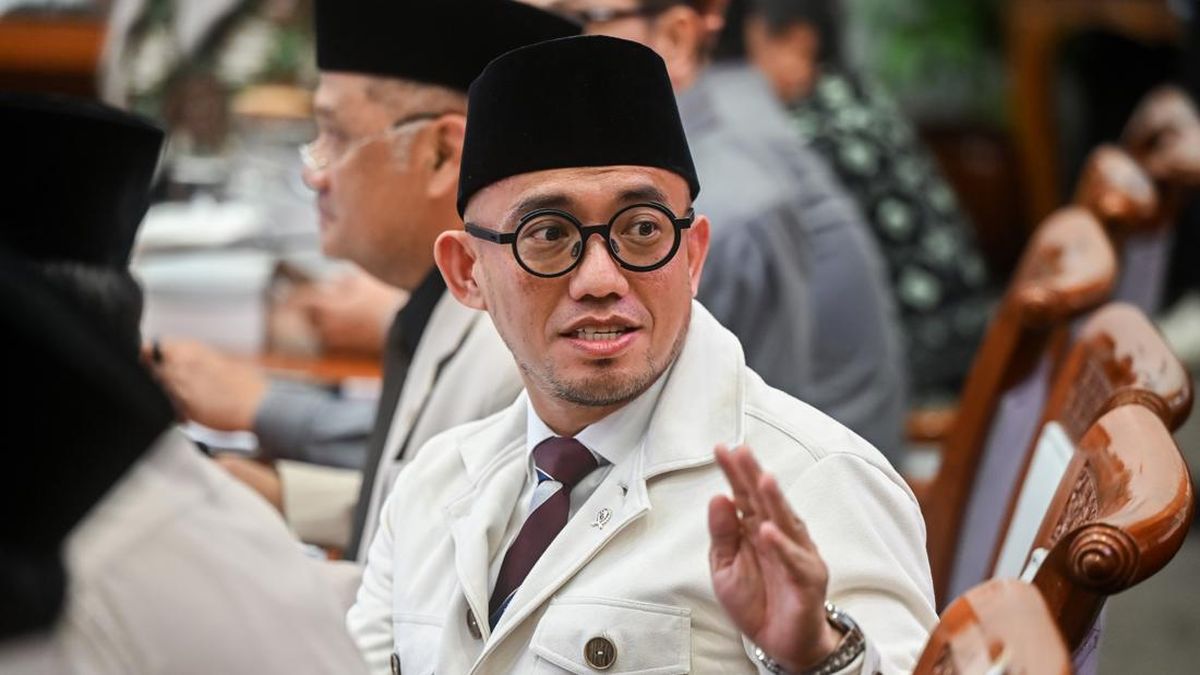
Deputy Hajj and Umrah Minister Dahnil Anzar has explained his proposal to involve people of different faiths in services for Indonesian Hajj pilgrims. He stressed that non-Muslim officers could be assigned to technical duties not directly connected with the performance of religious rites.
Dahnil said non-Muslim officers had already been involved in organising the Hajj since last year. They have served at departure and arrival points, helping with technical services, particularly in areas where Muslims are a minority.
“Since last year, there have indeed been non-Muslim Hajj officers. For example, officers at departure and arrival points help with technical tasks at their respective locations, especially in areas where Muslims are a minority, such as North Sulawesi, Papua, Maluku and East Nusa Tenggara, as well as other cities. There are also civil servants at the Ministry of Hajj and Umrah from different faiths, including non-Muslims,” Dahnil said on Tuesday (3 November).
According to Dahnil, Hajj officers’ responsibilities are not limited to activities related to worship in the Holy Land. Pilgrim services run from their departure from Indonesia until they return home.
“The Hajj process runs from departure until people return to Indonesia. Hajj officers are involved from the departure points through to the arrival points,” he said.
He said non-Muslims could take on a range of technical roles, including as medical staff, technicians and other support personnel. Dahnil described their involvement as an expression of mutual assistance and gotong royong, or communal cooperation.
“Non-ritual technical duties at departure and arrival points include doctors, nurses, technicians and others. This is a symbol of helping one another and gotong royong. The Ministry of Hajj and Umrah will continue to foster the spirit of humanitarian assistance and communal cooperation,” he said.
Dahnil also emphasised that his proposal was not limited to officers working in the Makkah and Madinah operational areas. He said the humanitarian and peaceful values embodied in the Hajj should be reflected in cooperation across faiths.
“I am talking about Hajj officers, not officers in the Makkah or Madinah operational areas. As the Ministry of Hajj and Umrah, we will continue to promote mutual assistance in the name of humanity, because the essence of the Hajj’s message is peace and human equality: an exclusive act of worship with inclusive outcomes,” he added.
MUI’s response
Meanwhile, Indonesian Ulema Council (MUI) Deputy Chairman KH M Cholil Nafis said officers responsible for religious rites must remain Muslim. He said non-Muslims could be part of the Hajj organisational system, but only in technical or field roles.
“Field officers are acceptable, but not officers responsible for religious rites, because Hajj officers carrying out the rites must not be non-Muslim,” Cholil Nafis said, according to the MUI’s official website, on Monday (2 November).
Cholil also stressed that Muslims should be given priority as long as there are enough qualified people available.
He noted that the Hajj is a religious ritual governed by specific Islamic rules. “Tolerance and ukhuwah [brotherhood] have their place and their limits,” he said.
Dahnil had previously proposed giving people from a range of religious backgrounds, including Christian, Catholic, Hindu and Buddhist communities, the opportunity to take part in support services for Indonesian Hajj pilgrims.
He said the idea was intended to strengthen tolerance and diversity, while fostering a spirit of gotong royong in the organisation of the pilgrimage.
“Our focus is to ensure that Hajj pilgrims become a symbol of tolerance among religious communities. Hajj officers could involve our brothers and sisters from Christian, Catholic, Buddhist, Hindu and other communities,” Dahnil said in a written statement on Saturday (31 October).
Dahnil said tolerance should mean more than respecting differences. In his view, it should also be put into practice through collaboration and contributions to the public good.
In Hajj services, he said, this cooperation could include giving non-Muslims the opportunity to help meet pilgrims’ technical needs. Care and humanity could thus serve as a bridge between people of different faiths.
He cited North Sulawesi as an area with a diverse religious and cultural population. Dahnil said he had asked his officials to seek ways to involve non-Muslim community groups there in supporting Hajj services.
“This is one way to create a symbol of tolerance, not only in North Sulawesi but throughout Indonesia,” he said.
Source: jawawa.id (https://jawawa.id/newsitem/deputy-hajj-minister-dahnil-explains-role-of-non-muslim-hajj-officers-1793677997)
Originally published by CNN Indonesia (https://www.cnnindonesia.com/nasional/20261103095004-20-1422633/penjelasan-wamenhaj-dahnil-soal-petugas-haji-nonmuslim), translated from Indonesian