
Deputy Foreign Minister Havas: Navigational Freedom Must Have Limitations
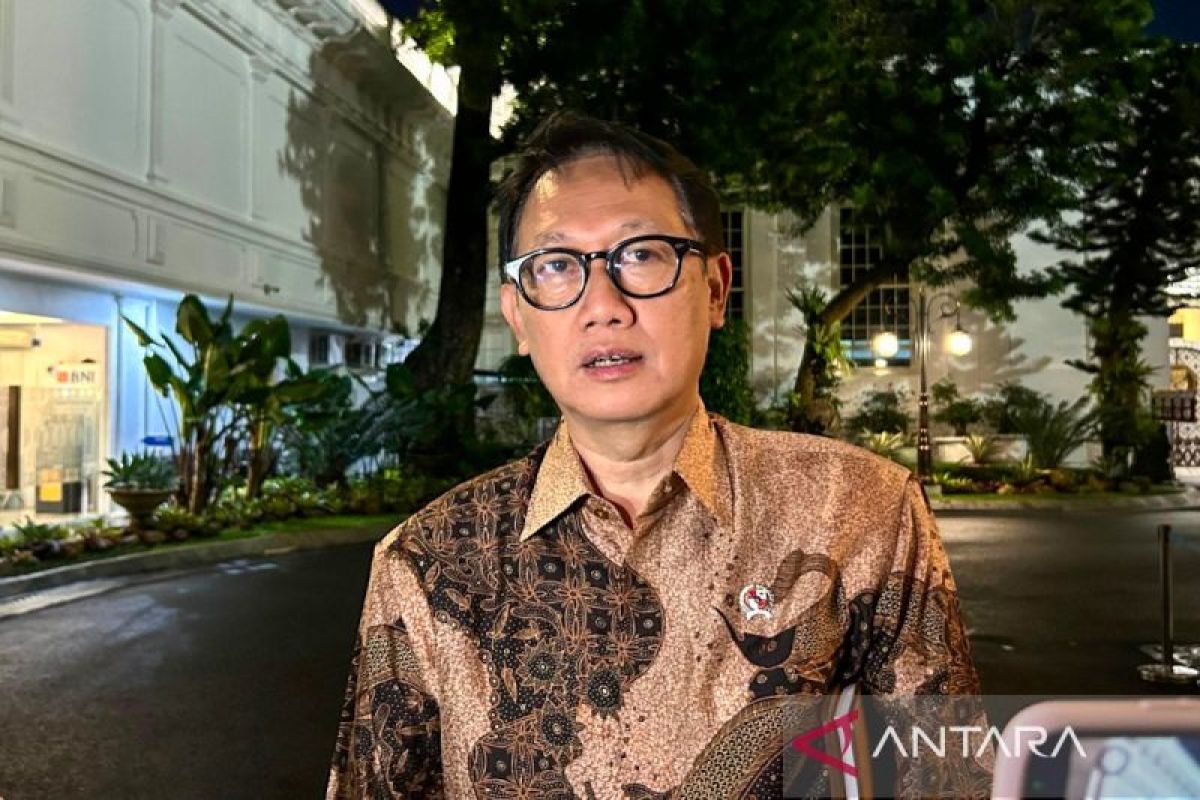
Deputy Foreign Minister (Wamenlu) RI Arif Havas Oegroseno stated that responsible freedom of navigation must have limitations and aims to protect the interests of archipelagic and coastal states.
“Navigational freedom cannot be unlimited. It must have limitations,” Havas said after delivering a guest lecture at the Department of International Relations, Faculty of Social and Political Sciences, University of Indonesia, in Depok, West Java, on Monday.
To refine the proposal for the responsible freedom of navigation principle, Havas will continue to thoroughly examine all aspects of maritime law.
A series of discussions on the principle will be conducted with maritime law experts and relevant academic fields at national and regional levels.
“We are deeply discussing how to implement responsible freedom of navigation in our region, for instance, given the many aspects involved,” he said.
The first point is maintaining navigational freedom under the principle of good faith and ensuring maritime freedom fully aligns with peaceful purposes under the United Nations Charter.
Second is recognising the rights of maritime and coastal states to pursue their security interests while respecting the rights and interests of other parties (due regard).
Third is marine environmental protection, given that contemporary commercial shipping increasingly impacts marine life.
The fifth point of the responsible freedom of navigation principle is agreeing to resolve maritime navigation issues through recognised international legal mechanisms.
Havas acknowledged that all five points are open for discussion and debate among stakeholders, particularly international and maritime law experts, and issue observers.