
Deputy Finance Minister states tax base expansion as strategy to face 2026 economic turbulence
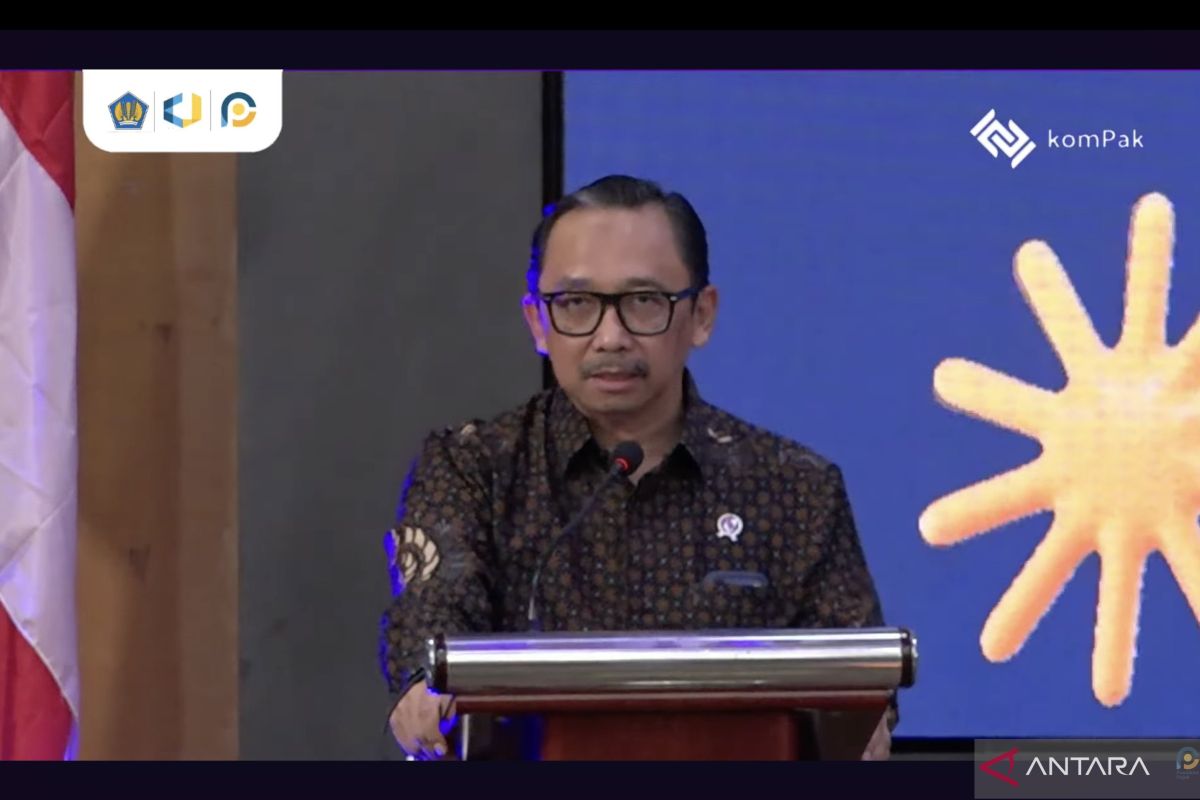
Jakarta (ANTARA) - Deputy Finance Minister Juda Agung stated that expanding the tax base is one of the fiscal authority’s strategies to address economic turbulence in 2026.
Juda said fiscal policy must be directed in a measured and sustainable manner to respond to the current global conditions. This is because geopolitical tensions create risks to commodity prices, exchange rates, and pressures on state expenditure, particularly energy subsidies.
“In the midst of such uncertain situations, how do we manage fiscal revenues to finance various expenditures that are increasing, especially fuel oil subsidy spending,” said Juda at the seminar titled “Outlook for the Economy 2026 and Crafting Strategies to Secure State Revenues” in Jakarta on Wednesday.
In general, the Ministry of Finance has formulated four pillars in managing state revenues.
First, strengthening the revenue base structurally through fair tax base expansion, optimisation of new economic potentials, and cross-sector data integration.
This approach is aimed at closing revenue gaps without burdening compliant taxpayers.
The second pillar is strengthening compliance based on risk and data. The Deputy Finance Minister emphasised the importance of digital transformation in tax administration, including the use of the Coretax system and integration of data across institutions, such as Bank Indonesia and the Financial Services Authority.
The third pillar highlights the importance of maintaining a balance between state revenues and economic growth.
According to the Deputy Finance Minister, revenue policy design must consider the investment climate, job creation, and national competitiveness.
“If economic growth is maintained, revenues will follow sustainably. The key is balance: on one hand, fiscal stability is ensured, but on the other, the economy can run well in line with the challenges and economic cycles faced,” explained Juda.
The fourth pillar is the transformation of human resources (HR). The Deputy Finance Minister stressed that the success of tax reform does not only depend on technology but also on the integrity and competence of HR.
He also said that coordination across units and institutions is an important factor in ensuring policies run in an integrated and effective manner.