
Deputy Economy Minister Sets 11 October Deadline for Technical Rules on Mandatory Halal Certification
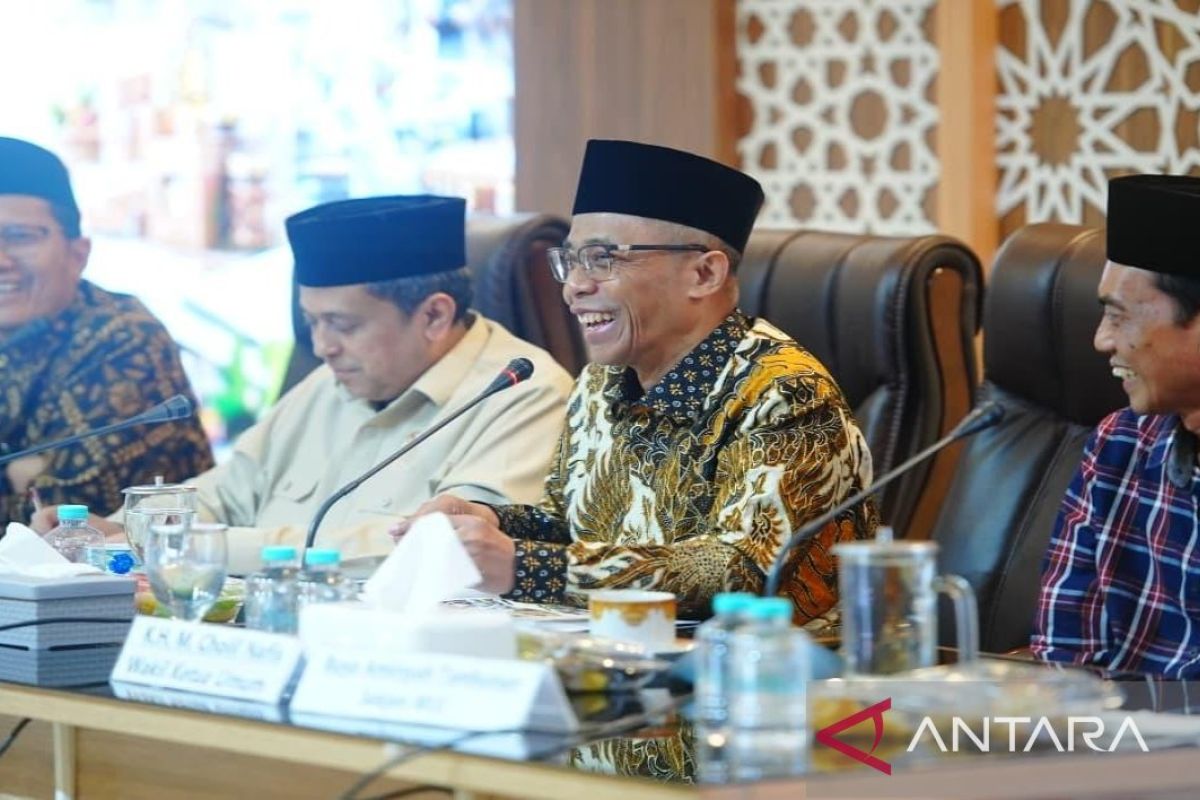
Jakarta (ANTARA) – Deputy Coordinating Minister for Economic Affairs Dradjad Hari Wibowo is targeting completion of the technical regulations for implementing mandatory halal certification by 11 October 2026 at the latest.
He said the technical rules, in the form of a regulation issued by the Head of the Halal Product Assurance Agency (BPJPH), were needed to govern implementation stages, assistance for micro and small enterprises (MSEs), and the revision of provisions on consumer goods.
“Given the tight timeframe, the preparation of the technical rules needs to be completed by 11 October 2026 at the latest so they can be promptly explained to business operators and relevant associations,” Dradjad said in a statement in Jakarta on Friday.
The government has agreed that the mandatory halal policy will take effect on 18 October 2026, taking into account readiness for implementation on the ground.
“Following a meeting between the Coordinating Minister and the Head of BPJPH, we agreed that implementation will take effect on 18 October 2026, taking readiness into account. The stages will later be set out in the agency regulation,” he said.
The policy implements the mandate of Law No. 33 of 2014 on Halal Product Assurance and Government Regulation No. 42 of 2024.
At this stage, the mandatory halal certification requirement will also cover Category A medical devices.
To support implementation, the government is continuing to strengthen the national halal ecosystem, from infrastructure, human resources and governance to supply chains and support from the Islamic finance industry.
The national halal ecosystem is currently supported by 587 verifiers, 2,036 halal auditors, 108,211 Halal Product Process Assistants (P3H), 5,561 halal slaughterers (JULEHA), and 5,745 certified slaughterhouses for livestock and poultry (RPH/RPU).
The government is also continuing its Free Halal Certification programme (SEHATI) to help micro and small businesses meet halal certification requirements.
Dradjad said that evaluation and improvements would continue to maximise the potential of halal certification while minimising any adverse effects arising from the policy’s implementation.
“As this is a new policy, evaluation and improvements will be carried out so that the potential of halal certification can be maximised and any adverse effects minimised,” he said.
Alongside providing certainty and peace of mind for consumers, strengthening the halal ecosystem is expected to improve the competitiveness of Indonesian products and expand their access to global markets.
To date, around 4.4 million halal certificates have been issued to 3.47 million businesses, covering 14.68 million products.
Indonesia’s halal certification has also been recognised through Mutual Recognition Agreements (MRAs) with 39 countries.
Source: jawawa.id (https://jawawa.id/newsitem/deputy-economy-minister-sets-11-october-deadline-for-technical-rules-on-mandatory-halal-certification-1791517982)
Originally published by Antara (Indonesian) (https://www.antaranews.com/berita/5777997/wamenko-ekonomi-targetkan-aturan-teknis-wajib-halal-rampung-11-oktober), translated from Indonesian