
Deputy Creative Economy Minister Urges Regional Creative Businesses to Target Wider Markets
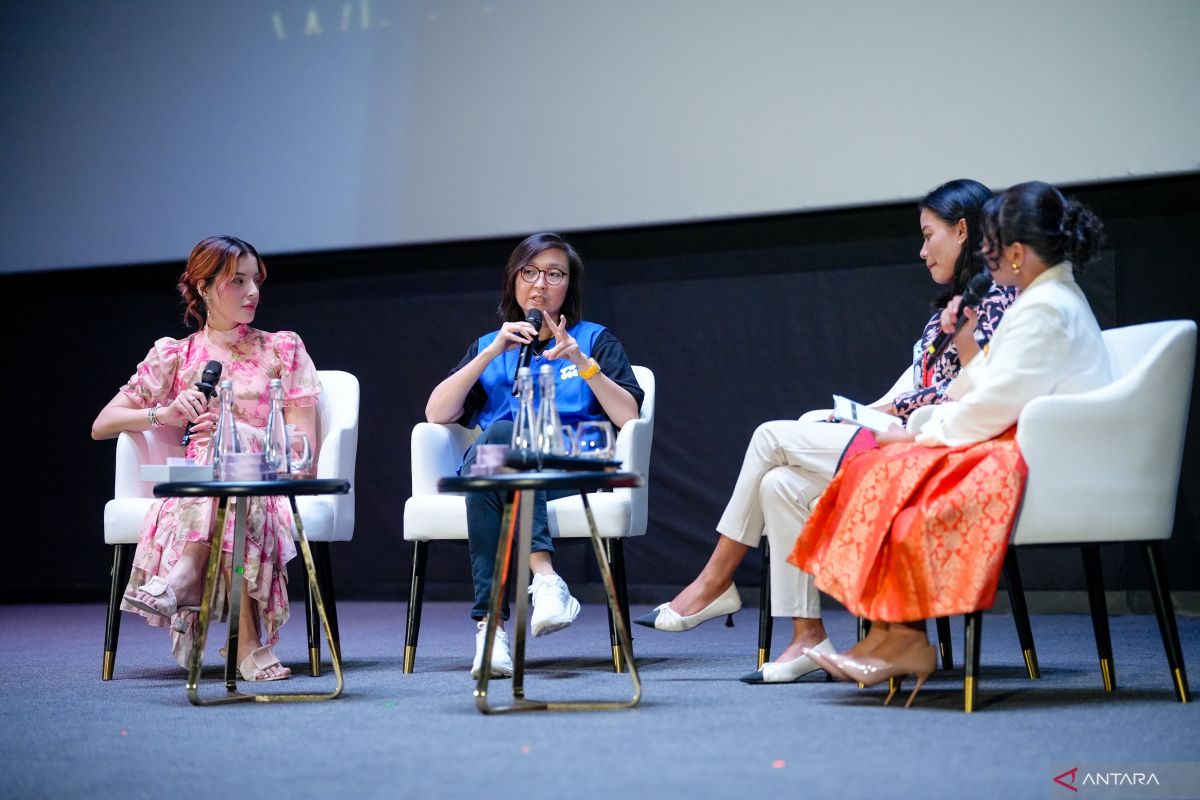
Jakarta (ANTARA) – Deputy Creative Economy Minister Irene Umar has urged regional creative economy businesses to be bold in targeting export markets, drawing on distinctive products, strong identities and digital platforms.
Irene said local creative products had particular strengths in their uniqueness and authenticity, which could create opportunities to reach broader markets.
“With the power of social media and digital spaces, do not target an audience of 280 million; target the eight billion people out there around the world. Indonesia can then become a leading brand,” Irene said in a statement received in Jakarta on Saturday.
She said regional creative economy businesses could make use of the archipelago’s abundant raw materials, including natural ingredients and herbal remedies, and turn them into value-added products that meet the needs of modern consumers.
A strong local identity can set Indonesian products apart amid market price competition.
Irene also said creative economy businesses needed to learn how to use social media and digital platforms to improve their chances of reaching consumers beyond the domestic market.
“Every step taken by those working to advance the creative economy affects not only themselves, but also brings tangible benefits to their families and communities, while creating more jobs. When we create and work wholeheartedly, prosperity and welfare will flow into Indonesia’s economy,” she said.
Irene added that developing local brands required collaboration between businesses, digital platforms and the government. Such support could broaden market access and help creative economy businesses develop products based on regional potential.
“Unlike other sectors, ideas will never run out; the fuel will keep flowing as long as creative economy players move forward together. The Creative Economy Ministry always says: ‘You no longer walk alone’,” Irene said.
From the business perspective, content creator and Mother of Pearl (MOP) founder Tasya Farasya stressed the importance of consumer trust and innovation in building local brands.
Product development should respond to market needs while taking sustainability into account and involving a range of participants in the creative economy ecosystem.
This could include environmentally friendly initiatives, such as upcycling cosmetic waste, and involving affiliates, content creators and local workers.
As a result, brand growth can do more than boost product sales; it can also create economic opportunities for those involved.
“The more we grow, the more influencers, affiliates and creative teams become involved. Local brands are not simply about following trends, but about creating our own trends while opening up mutually supportive business opportunities within the creative economy industry,” Tasya said.
Meanwhile, Shopee Indonesia Deputy Director of Government Relations Balques Manisang explained the role of e-commerce platforms in helping micro, small and medium-sized enterprises (MSMEs) expand their market reach.
Digital technology can connect businesses with consumers while creating opportunities to develop enterprises through a mutually supportive ecosystem.
Source: jawawa.id (https://jawawa.id/newsitem/deputy-creative-economy-minister-urges-regional-creative-businesses-to-target-wider-markets-1792828386)
Originally published by Antara (Indonesian) (https://www.antaranews.com/berita/5809247/wamenekraf-ajak-pelaku-ekraf-daerah-bidik-pasar-lebih-luas), translated from Indonesian