
Deputy Chair of DPR Commission VIII Urges Local Farmers to be Prioritised as Suppliers for Free Nutritious Meal Programme
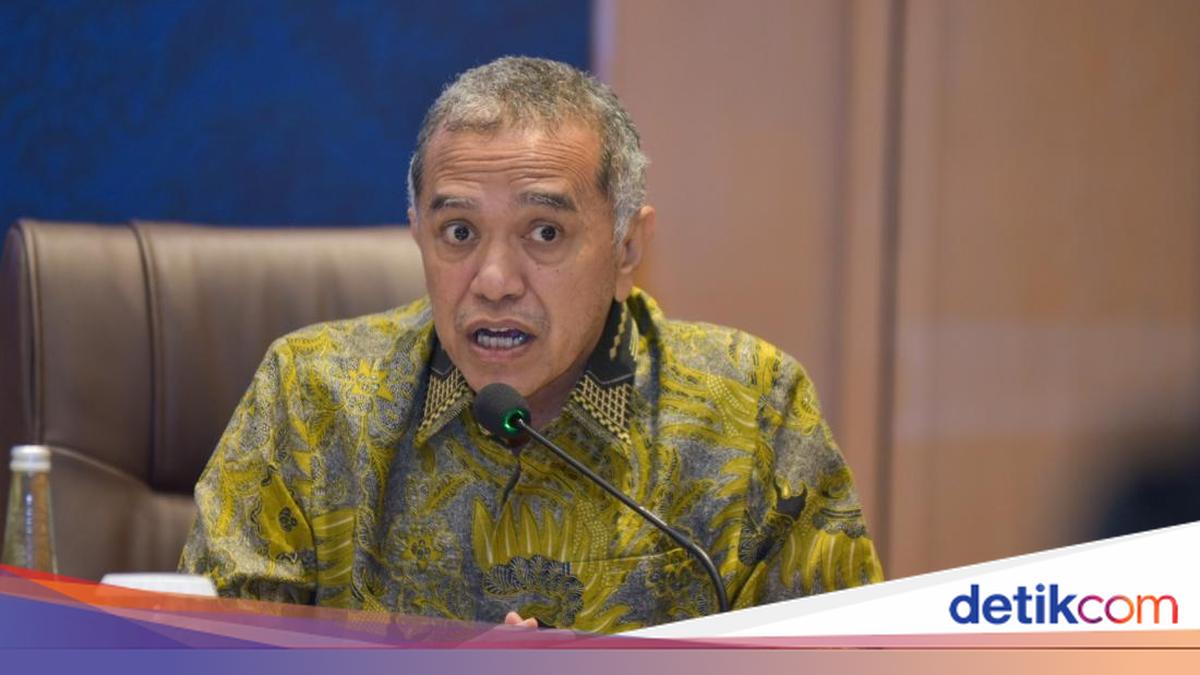
The Deputy Chair of Commission VIII of the House of Representatives (DPR), Singgih Januratmoko, stated that the Free Nutritious Meal (MBG) programme must be able to deliver an economic impact for the community. He urged that local livestock farmers and MSMEs be prioritised as suppliers for the ingredients used in the MBG menus.
Singgih believes that the sustainability of the MBG programme can create a more certain market for small-scale livestock products, particularly chicken meat and eggs. With relatively measurable demand from this government programme, farmers will have market certainty, which can help suppress price volatility at the producer level.
“Behind this programme lies a very large economic ecosystem, ranging from poultry farmers, layer farmers, MSMEs, cooperatives, distributors, to local labour,” Singgability said in a statement to journalists on Friday (11/9/2026).
According to him, one of the long-standing issues faced by small-scale farmers is the fluctuation in the prices of chicken and eggs. When production is abundant but market absorption is limited, prices at the farmer level can drop, sometimes falling below the level of economic viability.
“If the absorption of chicken and egg products increases consistently through the MBG, this could serve as an instrument to maintain the balance of supply and demand. Farmers will not constantly find themselves in a situation where prices crash during periods of high production,” he said.
Singgih emphasised that the economic benefits of the MBG will be even greater if the supply chain provides adequate space for small-scale farmers and local MSMEs. He noted that the government needs to ensure that the procurement of food ingredients for MBG kitchens is not concentrated solely on large corporations. Small-scale farmers, cooperatives, farmer groups, Village-Owned Enterprises (BUMDes), and MSMEs in the surrounding areas of the beneficiaries must be given the opportunity to be part of the supply chain.
“We must not allow a programme as large as the MBG to leave small-scale farmers as mere spectators. There must be a design so that raw materials such as eggs and chicken can be absorbed from local farmers as much as possible,” Singgih remarked.
He assessed that a region-based procurement pattern could provide dual benefits. In addition to shortening the distribution chain, such an approach would ensure that more money circulated by the MBG programme remains within the local regions.
“If MBG kitchens source eggs and chicken from farmers in their surrounding areas, the benefit is not just children receiving nutritious food. Farmers gain a market, MSMEs gain employment, distribution is stimulated, and the regional economy grows,” he said.
Singgih stated that price stability at the farmer level should be one of the indicators of the MBG food ecosystem’s success. He reminded that the programme’s success should not be measured solely by the number of food portions distributed, but also by how far it can build a healthy and sustainable food ecosystem.
“Farmers must receive a fair price. We must not reach a point where consumers receive nutritious food, but the upstream farmers are pressured because the selling price does not cover production costs,” he asserted.
Therefore, Singgih encouraged coordination between the government, the National Nutrition Agency, local governments, business actors, cooperatives, and farmer organisations to develop a transparent and sustainable procurement pattern. He believes that the large-scale food requirements for the MBG should serve as a momentum to strengthen the national livestock sector.
“This is an opportunity to build a system from upstream to downstream. Chicken and eggs are produced by small-scale farmers, then absorbed for MBG needs, processed by MSMEs or local kitchens, and consumed by the community. If the ecosystem is built correctly, everyone benefits,” he said.
Singgih expressed hope that the government would view the MBG not merely as a social programme, but also as an instrument for empowering the people’s economy.
“The MBG must be a programme that improves the health of the nation’s children while simultaneously revitalising the economy of farmers. If this programme is sustainable and the supply chain involves small-scale farmers, we can achieve two benefits at once: improving public nutrition and ensuring the sustainability of farmers’ livelihoods,” he concluded.
Source: jawawa.id (https://jawawa.id/newsitem/deputy-chair-of-dpr-commission-viii-urges-local-farmers-to-be-prioritised-as-suppliers-for-free-nutritious-1789069912)
Originally published by detikcom (https://news.detik.com/berita/d-8657784/waka-komisi-viii-dpr-dorong-peternak-lokal-diutamakan-jadi-pemasok-bahan-mbg), translated from Indonesian