
Deputy Chair of DPR Commission IX Urges National Nutrition Agency to Shift Free Nutritious Meal Programme to School-Based Kitchens
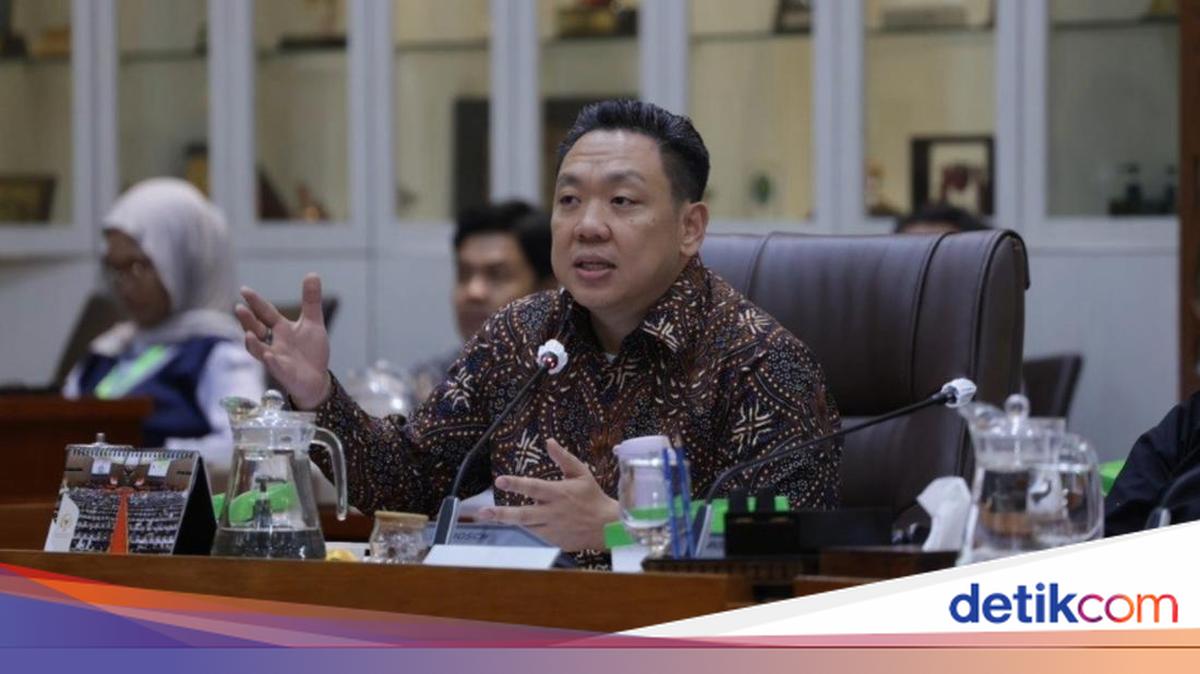
The Deputy Chair of Commission IX of the Indonesian House of Representatives (DPR RI), Charles Honoris, has requested that the National Nutrition Agency (BGN) overhaul the food provision system for the Free Nutritious Meal (MBG) programme. He is encouraging the BGN to shift from centralised kitchens to school-based kitchens to reduce the risk of food poisoning.
Charles assessed that the high number of food poisoning cases during the implementation of the MBG programme indicates that these are no longer isolated incidents, but rather a systemic issue requiring a change in the system. Based on data as of 2 September 2026, 50,059 people were recorded as victims of 460 poisoning incidents across 36 provinces and 245 regencies/cities.
“This means almost all provinces in this Republic have experienced poisoning cases in the last two years. Half of the regencies/cities in Indonesia have also experienced poisoning cases due to the free nutritious meal programme,” Charles stated in a written statement on Friday (4/9/2026).
He expressed this during a Working Meeting of Commission IX of the DPR RI with the Head of the BGN at the Nusantara I Building, Senayan, Jakarta, on Thursday (3/9). According to him, implementing school-based kitchens could shorten the time between preparation and consumption, thereby preventing bacterial contamination caused by food being left at room temperature for too long.
“This is following discussions with various food safety and nutrition experts. It is clear, Sir; after four hours, when food is left at room temperature, there is what is known as a critical temperature. Above 5 degrees and below 60 degrees, the risk of bacterial contamination increases, and the likelihood of bacterial growth is also higher,” he explained.
Charles added that the BGN itself has stipulated that food must be consumed a maximum of four hours after cooking. Therefore, he believes that controlling food temperature is essential to suppress the risk of bacterial growth.
In addition to food safety aspects, he noted that school-based kitchens have the potential to deliver a greater impact on the local economy. Schools could meet their food requirements by sourcing from markets, farmers, and suppliers located around the school area.
Charles suggested that the government should provide compensation to the managers of the Nutrition Fulfillment Service Unit (SPPG) kitchens that are already operational. This step is considered a one-off measure to ensure it does not become a continuous financial burden while the programme is running.
“If we want to transition to existing school kitchen systems, then just compensate them for their losses, Sir. There are tens of thousands of kitchens already operating. Just provide compensation. The government only needs to pay once; it will no longer be a burden while this (MBG Programme) is running,” he concluded.
Source: jawawa.id (https://jawawa.id/newsitem/deputy-chair-of-dpr-commission-ix-urges-national-nutrition-agency-to-shift-free-nutritious-meal-programme-to-1788526890)
Originally published by detikcom (https://news.detik.com/berita/d-8648899/waka-komisi-ix-dpr-minta-bgn-ubah-sistem-mbg-ke-dapur-berbasis-sekolah), translated from Indonesian