
Deputy Agriculture Minister Says Indonesia’s Rice Stocks Reach 4.5 Million Tonnes, Enough for 10 Months
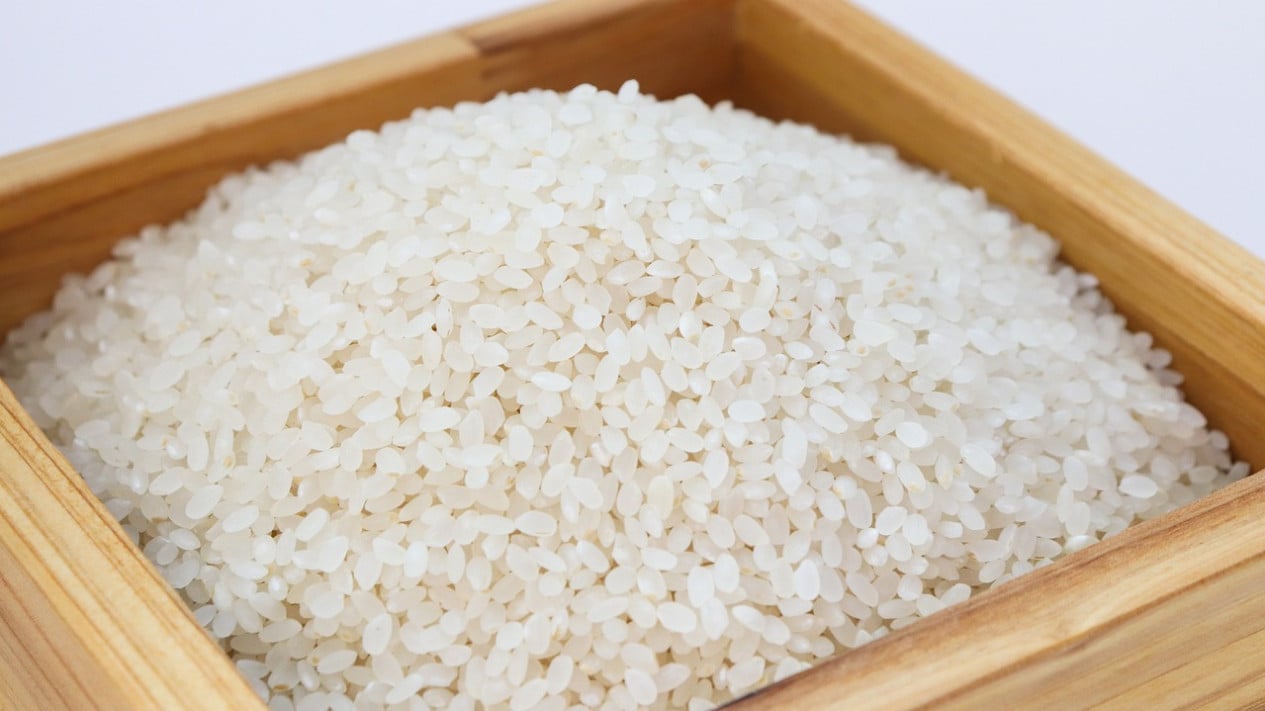
Jakarta — Deputy Agriculture Minister Muhammad Saleh Mustafa said national rice reserves had reached 4.5 million tonnes as of October 2026. He claimed the amount was sufficient to meet the needs of the Indonesian public for the next 10 months.
Saleh said the rice stocks were an important resource for Indonesia in facing the threat of a global food crisis, including the effects of climate change and extreme weather.
“Our national food stocks are secure, and thankfully our rice stocks are sufficient for the next 10 months. This is the highest level ever. Our rice reserves stand at 4.5 million tonnes through October 2026,” he said on Saturday (31 October 2026).
He compared Indonesia’s food reserves with those of the UK. According to Saleh, on 26 October the British government urged people to prepare food supplies to meet their needs for three days.
“Imagine that. In my view, this means the British government is beginning to be unable to prepare food stocks for its population, so it is campaigning for people to prepare food for three days. Indonesia has reserves for 10 months, let alone just three days,” he said.
Nevertheless, Saleh warned that Indonesia must not be complacent in the face of the threat of a food crisis. Climate change, shifting seasons and extreme weather could disrupt agricultural production and farmers’ livelihoods.
“The next thing we cannot avoid is climate change. Recently, there have been forest fires in our country, followed by hot conditions that may be a ‘Godzilla’ El Niño. This is highly damaging to the livelihoods of our farmers,” he said.
To anticipate the effects of climate change, the Ministry of Agriculture is preparing a strategy to increase the additional planted area between November 2026 and March 2027. Several regions, including Lampung and South Sumatra, will be encouraged to step up planting.
Saleh said agricultural strategies must adapt to natural conditions and changing seasons, rather than imposing planting patterns that could harm farmers.
“We must not fight nature. We might think, ‘We’ll plant when the hot season comes.’ No, that won’t work. We have to adapt to nature,” Saleh said.
As well as expanding planted areas, the government is preparing measures to address potential flooding that could inundate rice fields during the rainy season. One measure is to deploy pumps to reduce the impact of standing water on farmland.
Source: jawawa.id (https://jawawa.id/newsitem/deputy-agriculture-minister-says-indonesias-rice-stocks-reach-4-5-million-tonnes-enough-for-10-months-1793436660)
Originally published by VIVA.co.id (https://www.viva.co.id/berita/nasional/1940032-wamentan-ungkap-stok-beras-ri-tembus-45-juta-ton-bisa-bertahan-10-bulan), translated from Indonesian