
Deputy Agriculture Minister: DSI Established to Combat Transfer Pricing and Under-Invoicing
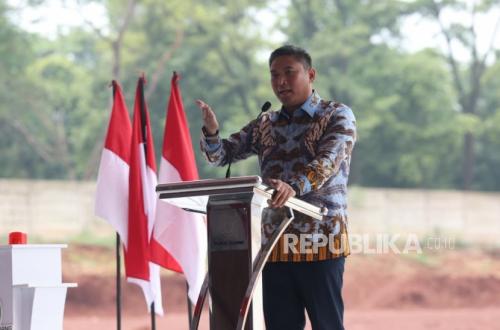
Deputy Agriculture Minister Sudaryono stated that the establishment of PT Danantara Sumberdaya Indonesia (DSI) aims to strengthen the governance of natural resource exports. The company is being prepared to eradicate transfer pricing and under-invoicing practices deemed detrimental to the state.
He made the statement following a follow-up meeting with palm oil industry players, exporters, refineries, farmer associations, state-owned plantation enterprises, and several ministries and agencies at the Agriculture Ministry (Kementan) headquarters in Jakarta on Friday, 29 May 2026. The meeting was held in response to recent declines in fresh fruit bunch (TBS) prices for palm oil farmers.
“We hope there will be no more concerns, particularly from downstream industry players such as refineries and exporters,” Sudaryono said in Jakarta, quoted on Saturday, 30 May 2026.
He explained that DSI will act as a transparent and accountable manager and supervisor, emphasising that the company is not established to profit from commodity exports.
The government has set a three-month transition period from 1 June to 31 August 2026, during which export management mechanisms will be phased in before full implementation on 1 January 2027 for palm oil, coal, and ferroalloys.
“PT DSI is a manager and supervisor operating transparently and accountably, without profit. Let me repeat, no profit,” Sudaryono stated.
During the meeting, the deputy minister urged downstream players, especially refineries and exporters, to continue trade transactions as usual based on prices set by KPBN. He also advised avoiding withdrawal practices that could distort fair price formation.
Sudaryono assessed that the current TBS price issue was not caused by weakened global demand. He noted that global palm oil prices and demand remain strong, so the decline in prices for farmers should not have occurred.
He described the situation as relatively easy to resolve, as the problem stems from domestic trade chains rather than international markets.
“The objective is not profit. DSI’s goal is to bring order. Those already compliant can proceed, while non-compliant entities will be regulated. Practices such as under-invoicing and transfer pricing must be eradicated,” said the official, commonly known as Mas Dar.
The deputy minister called on governors, regents, mayors, and relevant agencies to implement Agriculture Ministerial Regulation No. 13 of 2024 on TBS price governance. Currently, only some provinces are actively setting reference TBS prices with industry players and associations.
The central government is also urging regions to strengthen oversight of palm oil mills (PKS). If a PKS is found purchasing TBS below regulated prices, the company and its affiliates’ identities must be reported to Kementan for follow-up action.
Sudaryono revealed that Kementan previously identified 139 PKS purchasing TBS below local price thresholds. After the first meeting, 16 PKS have adjusted by raising purchase prices.
Kementan is considering administrative sanctions up to licence revocation for proven violators. If criminal elements are found, the government will coordinate with the Food Task Force (Satgas Pangan).