
Depok City Government Teams Up With Bogor to Turn Waste into Electricity to Tackle Cipayung Landfill Emergency
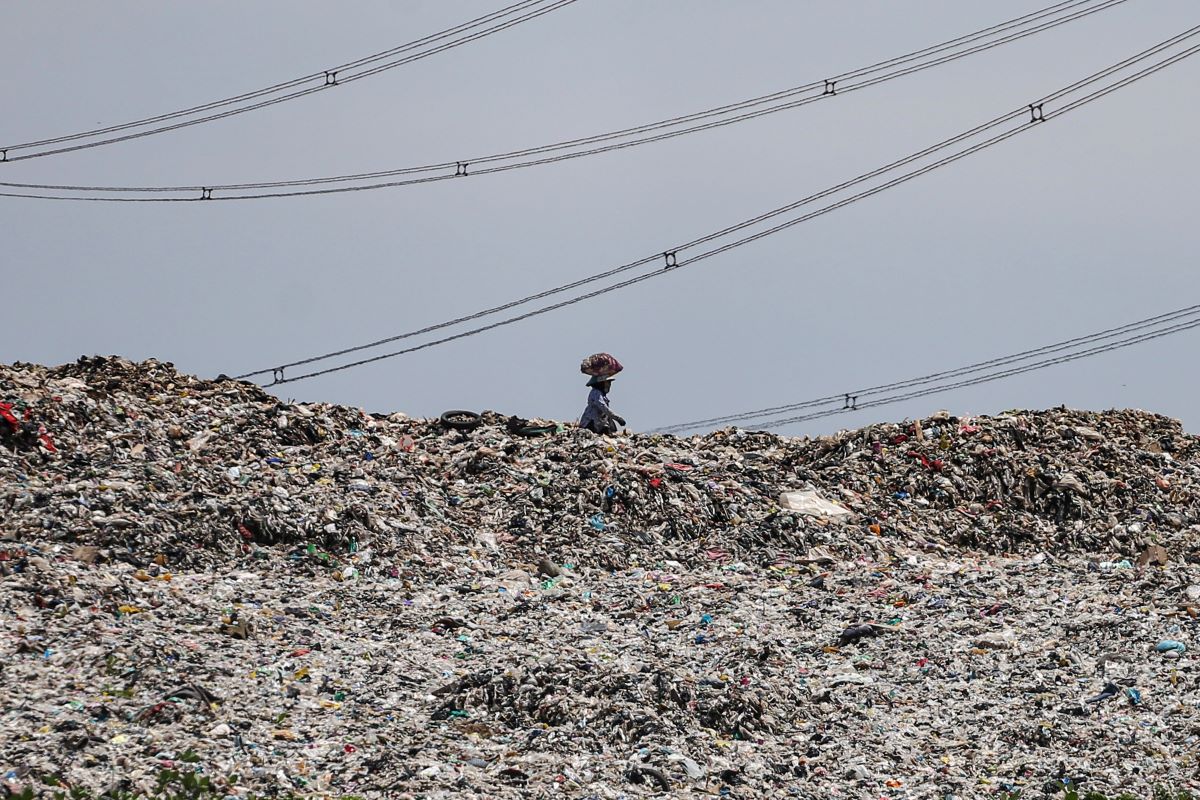
Depok City Government, West Java, is firmly committed to reducing the volume of waste entering the Cipayung Final Disposal Site (TPA) through cross-sector collaboration. The move comes as the Cipayung TPA has reached an emergency status, with the mound of waste exceeding 30 metres in height. This overload risks landslides and causes accumulation of waste at temporary disposal sites across Depok.
Reni Siti Nuraeni, Acting Head of the Depok City Environment and Cleanliness Agency (DLHK), said the administration has taken strategic steps to untangle the issue. ‘The Depok City Government has signed an important Memorandum of Understanding (MoU) on Waste-to-Energy (PSEL), and established waste disposal collaborations with various parties, such as Danantara and the Bogor City Government,’ she said on Thursday (21 May).
Through accelerating the PSEL facility and regional cooperation, the waste burden on Depok is projected to be reduced by up to 500 tonnes per day. ‘This reduction is crucial given that the Cipayung TPA is currently overloaded,’ she added.
Under the agreement, the city will supply 750 tonnes of waste per day to processing facilities in Bogor. The programme aims to commence full operation in 2028. Reni expressed hope that regional collaboration will provide a long-term effective solution. ‘Residents are also urged to segregate waste at home to support more effective processing,’ she added.
Previously, Depok Mayor Supian Suri explained that the cross-sector cooperation scheme places Bogor as the processing location, while Depok acts as one of the main waste suppliers. ‘Bogor City prepares the facilities, while Depok sends its waste,’ Supian said last week.
In the programme, 750 tonnes of waste per day from Depok will be transported to processing facilities in the Kayumanis area of Bogor City. This volume is necessary to support the operation of PSEL, which requires a minimum supply of around 1,000 tonnes of waste per day.
Supian admitted that Bogor’s own waste production currently does not yet meet the operational threshold for this technology. Therefore, inter-regional collaboration is the key to the project’s success. ‘Thus, in early 2028 the waste shipments from Depok to Bogor can operate at a capacity of around 750 tonnes per day,’ he said.
Waste sorting education: Supian is optimistic that Depok’s involvement in this renewable energy project will have a direct impact on reducing the load at Cipayung TPA. However, he also reminded that upstream improvements must not be neglected. He said household waste separation should be reinforced, particularly through the PKK cadres at the community level. ‘Segregating organic and inorganic waste must continue to be habitual so that downstream management is more optimal,’ he added.
Source: jawawa.id (https://jawawa.id/newsitem/depok-city-government-teams-up-with-bogor-to-turn-waste-into-electricity-to-tackle-cipayung-landfill-emergency-1779542436)
Originally published by Media Indonesia (https://mediaindonesia.com/megapolitan/892631/atasi-darurat-tpa-cipayung-pemkot-depok-gandeng-bogor-kelola-sampah-jadi-listrik), translated from Indonesian