
Depok-Bogor Surpasses Jakarta as Indonesia's Most Expensive Logistics Zone
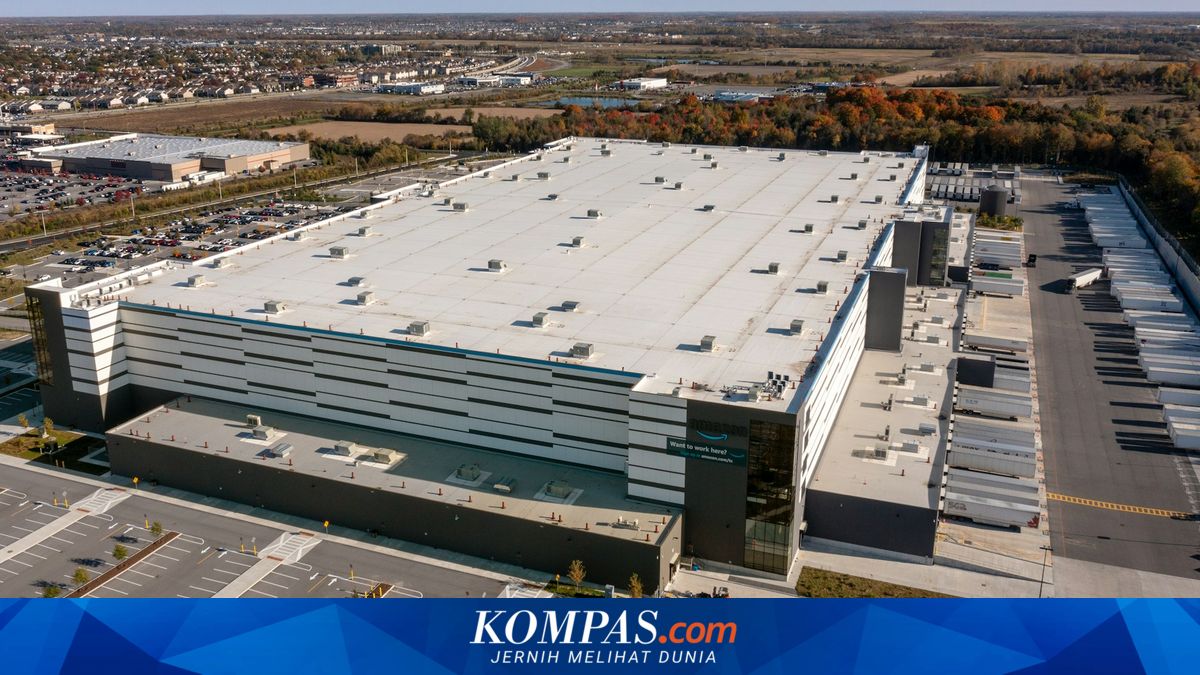
JAKARTA, KOMPAS.com - In the first quarter of 2026, the industrial property landscape in Jabodetabek experienced a significant shift. Although Jakarta’s Eastern Corridor remains the epicentre of manufacturing activity with 86 hectares of land absorption, a surprising phenomenon regarding prices has emerged from the south. The latest data from CBRE Indonesia shows that logistics properties in the Depok and Bogor regions now top the list of the highest rental prices, surpassing other established industrial areas in Indonesia. With this high demand, the Depok and Bogor areas have recorded the most aggressive rental prices. “This phenomenon is not without fundamental reasons, as the high rental costs in those areas are a logical consequence of their geographical proximity to consumption centres and the connectivity efficiency offered to logistics operators,” Ivana told Kompas.com on Wednesday (6/5/2026). Cumulatively, the modern logistics stock in Jabodetabek has now reached 3.5 million square metres, with net absorption in this quarter at 129,000 square metres. Although Jakarta and the Bekasi-Cikarang areas have experienced faster price growth in recent months, the position of the highest rental prices is still held by the southern region. Depok-Bogor is the most expensive location due to factors of proximity and connectivity, with prices at Rp 95,000 per square metre per month. Meanwhile, Bekasi-Cikarang has recorded critically high occupancy rates due to land scarcity in established locations, with prices at Rp 78,000 per square metre per month. Overall, the average occupancy of logistics properties in Jabodetabek stands at 97.9 percent. The high prices in Depok and Bogor reflect a shift in strategy among occupiers. Ivana explained that modern logistics facilities now heavily depend on demand from the e-commerce, FMCG, manufacturing, and cold-chain operator sectors. For these industry players, distribution time efficiency has become a more valuable commodity than savings on land rental costs in peripheral areas.