
Dependence on Foreign-Flagged Vessels Under Scrutiny, National Fleet to Be Boosted
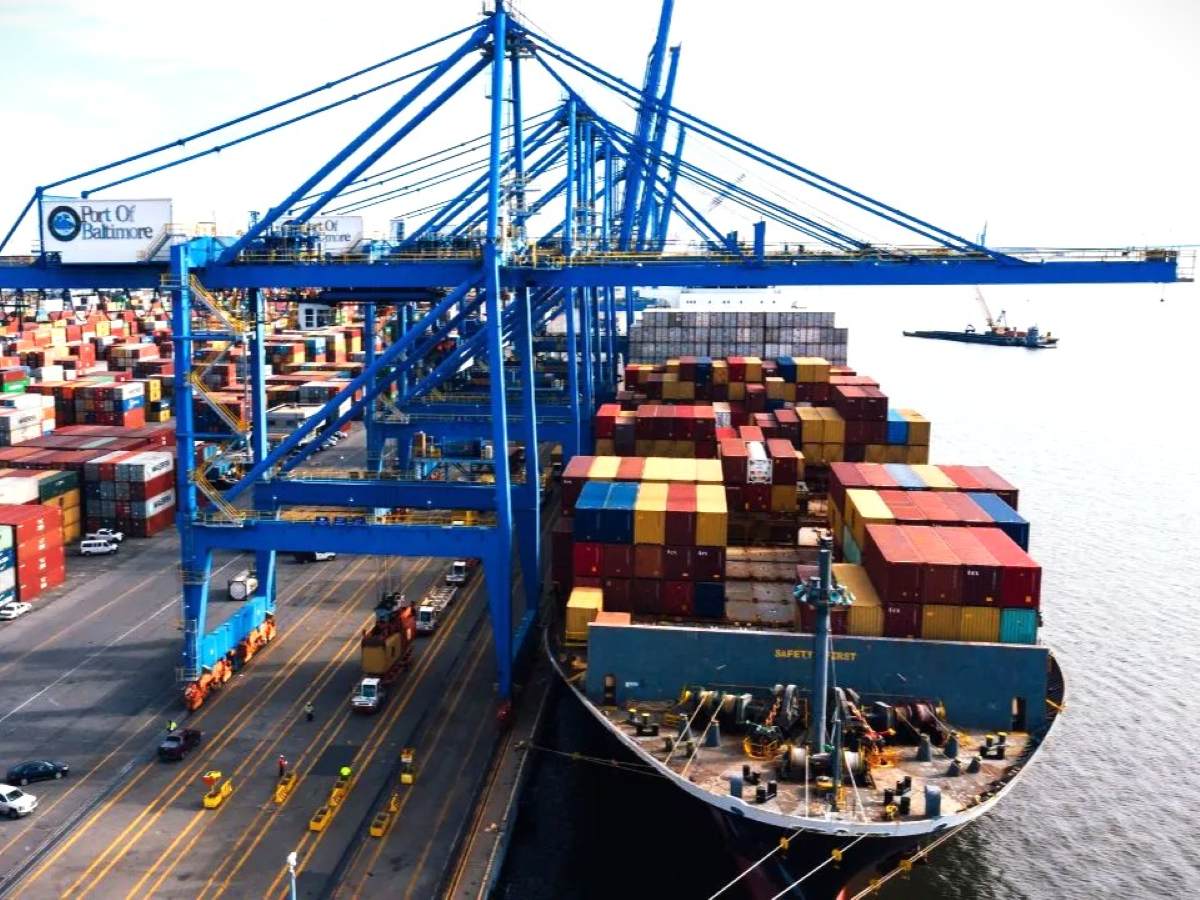
The dominance of foreign-flagged vessels in national logistics activities has once again drawn the government’s attention. Currently, around 95 per cent of Indonesian goods shipments still rely on overseas fleets. This situation is deemed to require immediate rectification so that the national shipping sector becomes stronger while supporting the independence of the maritime industry.
Minister of Investment and Downstreaming/Head of BKPM, who is also CEO of Danantara, Rosan Roeslani, said the issue of the high usage of foreign-flagged vessels has been discussed with President Prabowo Subianto. The government wants to encourage the gradual shift towards using more Indonesian-flagged ships for goods distribution.
According to Rosan, the President has requested a clear roadmap regarding the development of the national fleet. This step is considered important so that Indonesia no longer depends on foreign shipping companies to support export activities and domestic logistics distribution.
He assessed that strengthening the national fleet must be carried out comprehensively, including expanding the capacity of the domestic shipbuilding industry. Thus, the demand for new vessels can be met through national production that meets international standards.
The Domestic Shipyard Industry is Prepared to Support the National Fleet
In addition to reducing dependence on foreign-flagged vessels, the government is also seeking to strengthen the domestic shipyard industry. Rosan mentioned that Indonesia already has several shipyards managed by state-owned enterprises and national private companies.
Going forward, these facilities will continue to be upgraded so they can produce various types of ships with competitive quality. The government hopes that ship construction will not only meet domestic needs but also potentially enter the international market.
However, Rosan has not detailed the number of vessels to be developed or the investment value required for the programme. The government is still formulating a development plan tailored to the needs of the national shipping industry.
Meanwhile, strengthening the shipyard sector is also part of the agenda of the Daya Anagata Nusantara Investment Management Agency (BPI Danantara). The institution is preparing the consolidation of several state-owned shipyard companies, with PT PAL Indonesia as the leader of the integration process.
BPI Danantara’s Chief Operating Officer, Dony Oskaria, previously stated that the consolidation is targeted for completion this year. Through this measure, the production capacity of national shipyards is expected to increase so they can meet the demand for fishing vessels and other maritime sector needs.