
Densus 88: 132 Children Exposed to Radicalism as Terror Threat Enters via Digital Space
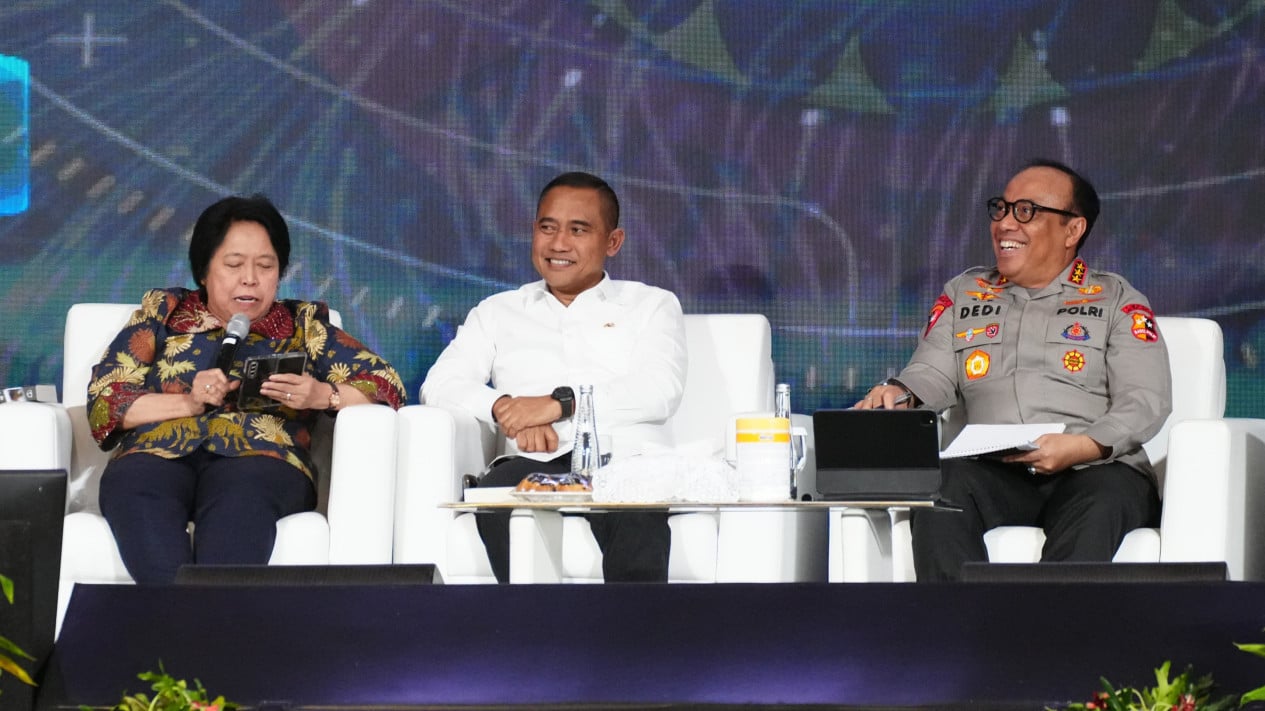
Jakarta – The Indonesian National Police (Polri) has revealed that patterns of terrorism threats in Indonesia have changed drastically. Whereas previously they were identified with structured networks and closed organisations, extremist ideologies are now developing through the digital space, social media algorithms and virtual communities that are difficult to detect.
This phenomenon was a major focus at the Technical Working Meeting (Rakernis) of Densus 88 Antiteror Polri for the 2026 financial year held in Jakarta. Deputy Police Chief Dedi Prasetyo emphasised that strategies to counter terrorism can no longer rely on old approaches.
“We are facing a major transformation. The threat no longer always appears as large, easily mapped organisations, but grows through the digital space, loose sympathisers, and networks shaped by algorithms. Therefore, our strategy must also change,” he said, on Wednesday, 20 May 2026.
The Rakernis was also attended by BNPT head General Police (Ret.) Eddy Hartono and Densus 88 Chief Sentot Prasetyo.
In the forum, Polri highlighted the increasing vulnerability of young people to exposure to digital extremism. Data from Densus 88 up to 19 May 2026 recorded 115 children affiliated with the True Crime Community (TCC), while 132 other children have been exposed to radical ideologies in various regions.
According to Dedi, these figures should serve as a serious warning for the country to strengthen early prevention measures. “Counter-extremism policies that touch on children must be built on the logic of early protection, not early enforcement,” he said.
He argued that children exposed to radicalism should be understood not only as perpetrators but also as victims of the digital and social environments that shape them.
Therefore, Polri advocates a protection approach based on family, school, community, and even digital spaces through the concept of a socio-ecological model or a shared protection ecosystem.
“Threats of extremism cannot be cut off by a single institution. They must be confronted through full synergy between Polri, ministries, local governments, schools, families, and society. Security for the future is built through collaboration,” said Dedi.
In agreement with that, BNPT head Eddy Hartono said modern terrorism threats are cross-sector and cross-generational, thus no longer something that can be tackled partially.