
Denpasar Spatial Planning Regulation Lacks Teeth as Luxury Buildings Encroach on Green Belts
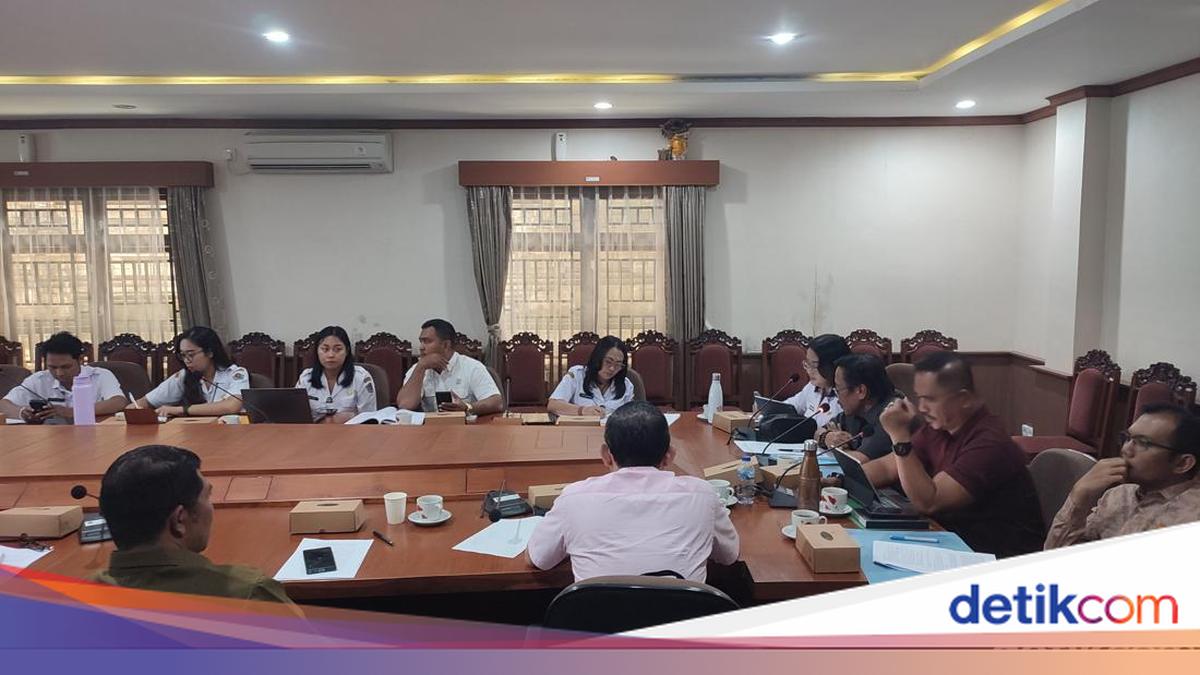
The Special Committee VIII of the Denpasar City DPRD has highlighted that the Regional Spatial Planning (RTRW) regulation is failing to be enforced on the ground. A notable example includes the existence of restaurants, cafes, and other grand buildings on Jalan Hang Tuah, Denpasar, which is officially designated as a green belt.
According to Denpasar City Regional Regulation (Perda) Number 8 of 2021 concerning the Regional Spatial Planning (RTRW) for 2021-2041, this area is part of a green belt. Only semi-permanent structures intended for the storage and processing of agricultural products are permitted to stand there.
“However, the fact is that grand buildings and luxury restaurants have been erected. This signifies a failure to implement or even a defiance of our legal products,” stated the Deputy Chairman of the Denper City DPRD, I Wayan Mariyana Wandhira, during a meeting of Special Committee VIII discussing the formation of regional legal products on Wednesday (16/09/2026).
Mariyana noted that the government, as the executor, should also face sanctions if they fail to perform their functions properly, just as sanctions apply to violators. “Meanwhile, if citizens violate the rules, they are fined,” said the Golkar Party politician.
“Therefore, in the future, the legal products we ensure are enacted or implemented in Denpasar City will truly apply exactly as we have planned and discussed together,” he added.
In addition to Jalan Hang Tuah, Mariyana also revealed spatial planning violations within the Sustainable Food Agricultural Land (LP2B) area on Jalan Tukad Balian, South Denpasar. “What is happening in Tukad Balian is a clear violation. I saw one building that was halted, but it was never restored; it remains as a foundation with walls,” he criticised.
Existing structures, ranging from residences and restaurants to small stalls, have become a subject of debate. Wayan Mariya Wandhira noted that during the 2021 discussions regarding the RTRW regulation (Perda 2/2021), the widespread conversion of land use has left less than 20 per cent of agricultural land remaining in Denpasar.
To restore the City Green Open Space (RTHK), Mariyana is urging all parties to ensure that ‘subak’ (traditional irrigation systems) remain preserved. He suggested that guidance and empowerment are necessary steps to maintain productive land in Denpasar, particularly for communities still able to farm and for spaces that can still be protected.
“The method is that we purchase their agricultural products at market prices; even if there is a loss, the government shall take responsibility, rather than having to purchase land at a high cost,” said Wandhira.
According to him, relevant departments must support programmes to keep green lands productive. Agricultural yields could be processed effectively and sold to cooperatives, restaurants, hotels, and so on, so that agricultural productivity in Denpasar is maintained.
“In this way, people who feel they possess productive agricultural land will maintain it. Even if there is a loss, we are guaranteed by the government. Even during a bumper harvest, the government will have taken the harvest so that greening efforts are not disadvantaged,” he concluded.