
Denmark Revives Proposal to Ban Loudspeaker Call to Prayer
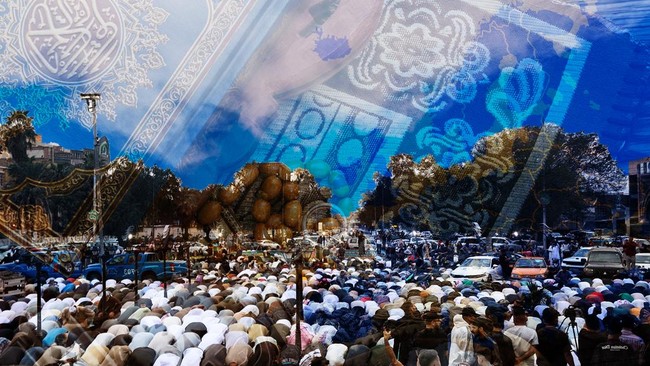
The Danish government is once again floating the idea of banning the azan, specifically the call to prayer broadcast through loudspeakers in public spaces. This move is part of the Nordic country’s latest effort to tighten integration and immigration policies amid a growing debate over national identity. Morten Bodskov, a senior Social Democrat politician and Denmark’s Minister for Immigration and Integration, asserted that the call to prayer should not be part of the public soundscape. “The call to prayer should not be heard over the rooftops in Denmark. It has no place in Denmark, and you should not be in doubt whether you are in a suburb of Islamabad when you walk around Denmark,” Bodskov told the Ritzau news agency. According to Bodskov, the government will reopen a legal review to assess the possibility of implementing a nationwide ban. He also cited concerns over what he termed an increasingly visible ‘Islamisation’ of public spaces in secular Danish society. This marks the third attempt by the government to enact such a ban, after previous efforts in 2020 and 2025 failed due to legal obstacles. The policy aligns with Prime Minister Mette Frederiksen’s hardline approach to integration and migration. Several areas in Denmark already restrict the use of loudspeakers for the azan. In the capital, Copenhagen, strict noise regulations effectively limit the use of loudspeakers on mosque minarets, and the city’s Grand Mosque voluntarily refrains from making outdoor calls to prayer under an agreement with local authorities. The government will now examine whether a full ban can be imposed without violating the Danish constitution, which guarantees religious freedom, although the country also has rules restricting anti-democratic sermons and support for proscribed groups. If implemented, the ban is expected to face legal challenges from Muslim organisations. Opponents argue the policy is discriminatory against the Islamic community, while supporters claim it is necessary to preserve Danish cultural identity. Denmark, with a population of about six million, is home to roughly 270,000 Muslims and around 100 mosques. The country is known for having some of Europe’s strictest immigration policies, including a controversial rule allowing the relocation of residents from areas with high migrant concentrations. The debate over banning the azan comes amid wider European discussions on the boundaries between religious freedom and public interest, with countries like the United Kingdom and Germany already imposing restrictions on the volume and timing of mosque loudspeaker broadcasts to reduce disturbance to local residents.