
Dengue Fever Cases Surge in Tasikmalaya, 225 Infected and Three Dead
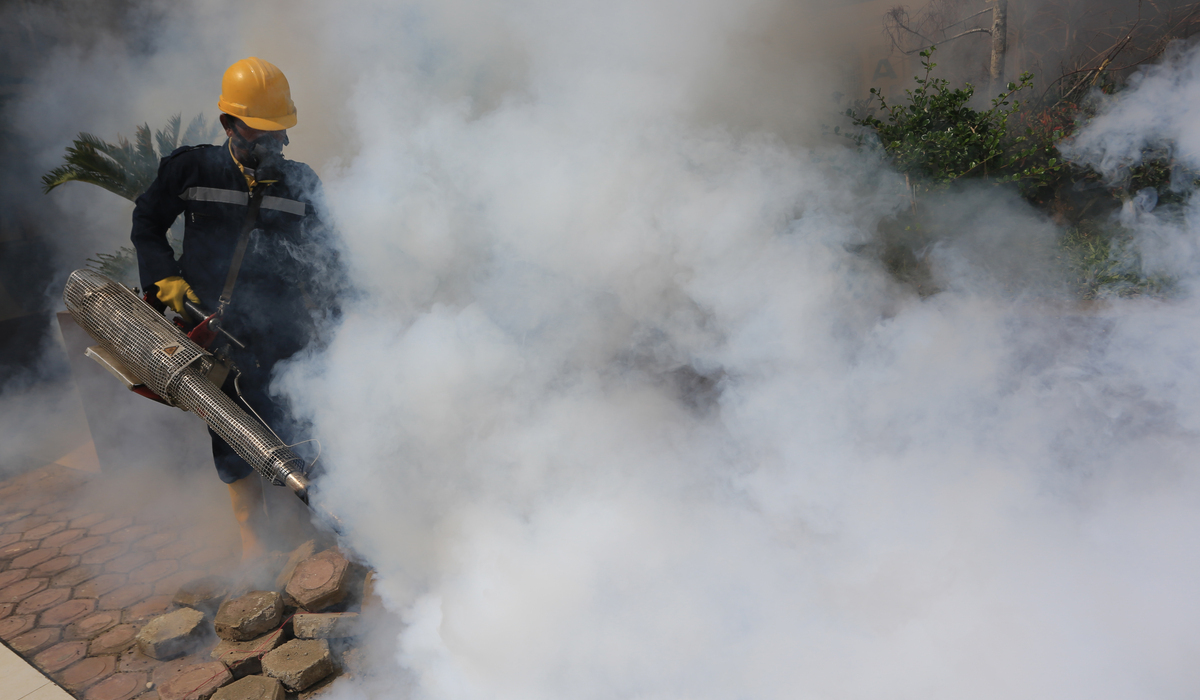
Dengue haemorrhagic fever (DHF) cases in the Tasikmalaya region of West Java have shown a significant upward trend throughout the first half of 2026. According to data compiled from the Tasikmalaya Regency and City, a total of 225 residents have been infected by the disease caused by the Aedes aegypti mosquito, with three fatalities reported.
In Tasikmalaya Regency, the Health and Population Control Office recorded 132 positive DHF cases between January and May 2026. Despite the increase in cases during the dry season, local health authorities confirmed there were no fatalities in the regency.
The Head of Disease Prevention and Control at the Tasikmalaya Regency Health Office, Otong Kusmana, revealed that the spike in cases was triggered by public negligence towards environmental cleanliness. Currently, some patients are still undergoing intensive care in hospitals, while others have gradually recovered.
“There are 132 DHF cases in Tasikmalaya Regency. We continue to make efforts to educate the public to always clean their environment. Although there are no deaths, this increase in cases must be watched closely. Residents are reminded to routinely carry out the 3M measures (draining, covering, and burying) and mosquito nest eradication (PSN) even during the dry season,” said Otong on Sunday (28/6/2026).
A different situation occurred in the Tasikmalaya City area. The Secretary of the Tasikmalaya City Health Office, Suryaningsih, reported 96 DHF cases resulting in three deaths. The infected patients, ranging from children to the elderly, are receiving treatment at Dr. Soekardjo Regional General Hospital, several private hospitals, and community health centres.
Suryaningsih added that although the region is currently experiencing a prolonged dry season, the potential for a rise in cases remains. This is due to the large number of mosquito larvae still found inside residents’ homes.
“We always provide education regarding the 3M measures, mosquito nest eradication, and the implementation of Clean and Healthy Living Behaviour (PHBS). The increase in mosquito larvae is still widely found inside homes, so the public must always be vigilant,” she concluded.