
Dengue Cases in Batam More Contained by Mid-2026
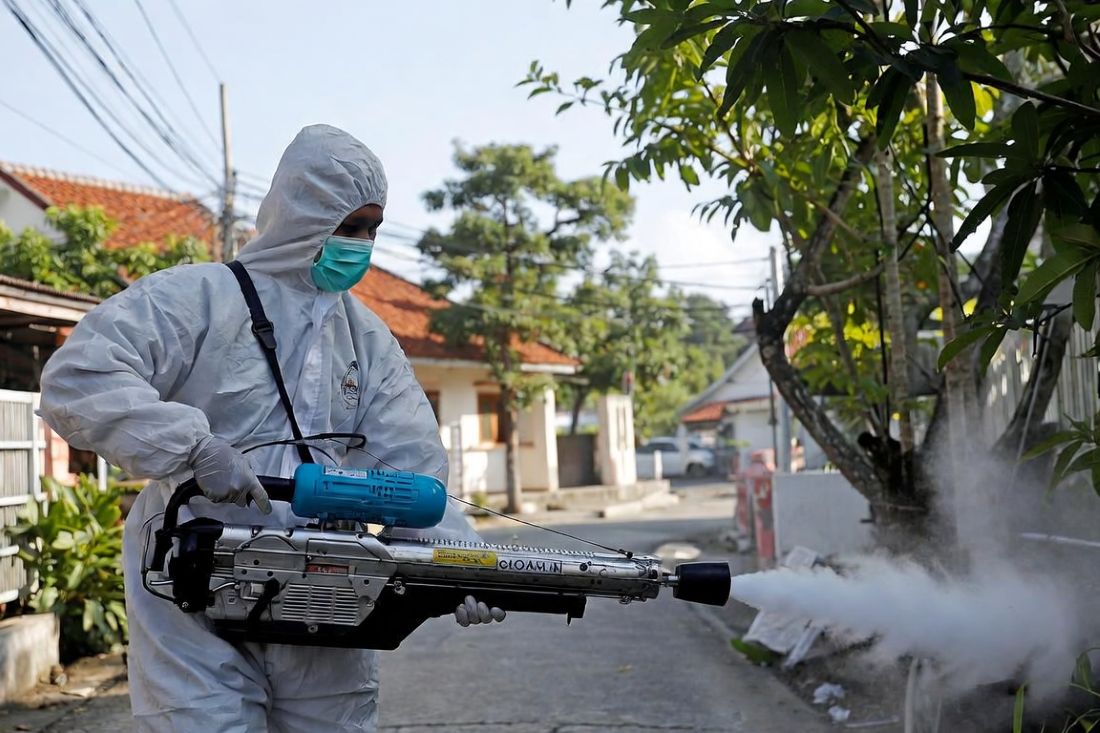
Dengue Fever (DBD) cases in Batam City are showing a more controlled trend in 2026. As of 21 June 2026, the Batam City Health Office (Dinkes) recorded 205 Dengue cases with no reported deaths.
This achievement represents positive progress compared to previous years. In 2024, Dengue was recorded causing 14 deaths among Batam residents, while in 2025, there were three deaths due to the disease.
The Head of the Batam City Health Office, Dr Didi Kusmarjadi, stated that the decline in Dengue cases this year indicates that control efforts undertaken by the government and the community are beginning to bear fruit.
“Alhamdulillah, until the middle of this year, there have been no reports of deaths due to Dengue. However, the public must not be complacent because the potential for transmission remains. Prevention must be carried out consistently,” he said on Monday (22/6).
Based on data from the Batam Health Office, the number of Dengue cases in 2026 is much lower than in previous years. In 2025, 809 cases were recorded, in 2024 there were 871 cases, and in 2022 the figure reached 902 cases.
A decline is also visible in the Incident Rate (IR) of Dengue. This year, the Dengue IR in Batam stands at 15.28 per 100,000 residents. This figure has dropped compared to 2025, which reached 60.28 per 100,000 residents, and 2024, which was 68.21 per 100,000 residents.
In terms of regional distribution, the Sei Langkai Community Health Centre (Puskesmas) recorded the highest number of cases with 44 cases, followed by Batu Aji Community Health Centre with 27 cases and Tanjung Uncang with 20 cases.
Meanwhile, the productive age group above 15 years still dominates Dengue cases in Batam. Out of the total 205 cases, 122 patients are male and 83 are female.
He explained that the decline in Dengue cases is inseparable from the strengthening of surveillance, epidemiological investigations, the mosquito nest eradication movement (PSN), and community involvement in maintaining environmental cleanliness.
According to him, prevention measures within the home environment are the primary key to suppressing the spread of Dengue. The public is urged to routinely implement ‘3M Plus’, which involves draining water storage containers, sealing water storage tightly, and reusing or recycling items that could potentially become mosquito breeding sites.
“The key to controlling Dengue is actually within each individual’s home environment. Therefore, we continue to encourage the community to routinely perform 3M Plus,” he said.
He also emphasised that fogging is not the primary solution for eradicating Dengue. Fogging only kills adult mosquitoes, while larvae can still develop if breeding sites are not cleaned.
Therefore, the most effective effort is to break the mosquito’s life cycle by eliminating their breeding grounds. The Batam Health Office also continues to monitor the development of cases through all community health centres and hospitals.