
Demonstrated by Thousands of Students, This Indonesian President Admitted Sadness and Heartache
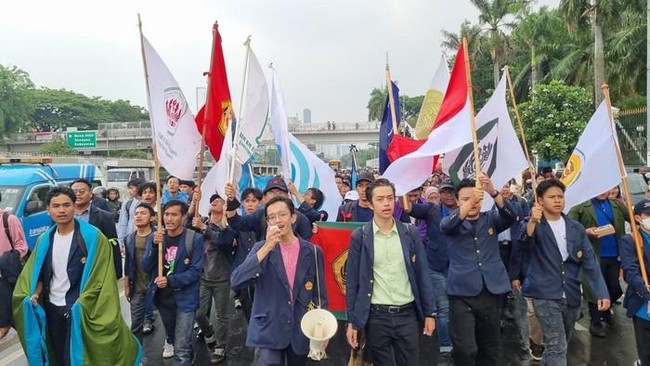
Large-scale student demonstrations have always been a part of Indonesian history. However, the 1966 protests left a wound for Indonesia’s first President, Sukarno. When thousands of students took to the streets, Sukarno admitted he was saddened and heartbroken because insults aimed at ministers were considered to have crossed the boundaries of decency. The story began when Indonesia’s economic and political conditions were deteriorating. In Jakarta, thousands of students marched demanding the dissolution of the Indonesian Communist Party (PKI), a cabinet reshuffle, and a reduction in soaring prices. According to the testimony of Soe Hok Gie in ‘Zaman Peralihan’ (2005), since late 1965 Indonesia’s economic situation had become increasingly difficult. Food prices were uncontrollable and rose by hundreds of percent. The price of petrol also jumped from Rp400 to Rp1,000. This situation further squeezed the populace. At the same time, the political situation following the 30 September Movement in 1965 remained highly unstable. However, these various problems were perceived as not being promptly addressed by the government. Soe Hok Gie noted that Sukarno was relatively slow in responding to the ongoing crisis. Consequently, students took to the streets demanding the dissolution of the PKI, a reshuffle of the Dwikora Cabinet, and price reductions. These three demands later became known as Tritura, or the People’s Three Demands. During the demonstrations, students vented their anger through various posters and chants directed at ministers deemed to have failed in managing the situation. Still according to Soe Hok Gie’s account in ‘Catatan Seorang Demonstran’ (1983), students unfurled posters around the State Palace with writings such as ‘Crush the stupid ministers!’, ‘Crush Subandrio’, and other harsh criticisms. Subandrio himself was then serving as Deputy Prime Minister and concurrently Minister of Foreign Affairs. These voices eventually reached Sukarno’s ears. During a cabinet meeting at the Bogor Palace on 15 January 1966, the president directly conveyed his feelings to the ministers. Sukarno admitted he was sad and heartbroken. In his view, the students had acted impolitely by hurling insults at their elders. Moreover, the word ‘goblok’ (stupid) was considered harsher than ‘bodoh’ (foolish). ‘This is what saddens me, that there are utterances from student circles like ’stupid minister’. It is harsher than foolish. Therefore, I ask our youth to be patient. Do not suddenly say stupid minister and so forth. I am heartbroken,’ Sukarno stated, as quoted from the book ‘Revolusi Belum Selesai: Kumpulan Pidato Presiden Sukarno 30 September 1965’ (2008). Although he admitted to being offended by the students’ method of delivering criticism, Sukarno showed no signs of intending to fulfil their demands. This stance meant the students’ anger did not subside. The climax occurred in February 1966 when Sukarno reshuffled the cabinet. This decision actually triggered fresh disappointment because several figures perceived as having links to the PKI were retained in the government. As a result, a wave of demonstrations erupted once more. As before, the actions were marked by harsh criticism and shouts against the government. The demonstrations, which were subsequently joined by various elements of society, became increasingly difficult to control. The national political situation grew ever more heated until Sukarno finally issued the Letter of Order of 11 March, or Supersemar, on 11 March 1966. Through this letter, General Soeharto received a mandate to take measures deemed necessary to restore state security and order. History later recorded the issuance of Supersemar as a crucial turning point in Indonesia’s political journey. Sukarno’s power gradually weakened, while Soeharto’s position strengthened until he eventually assumed national leadership.