
Deferring Mandatory Halal Certification: Governmental Facilitation, Not a Licence to Disregard the Law
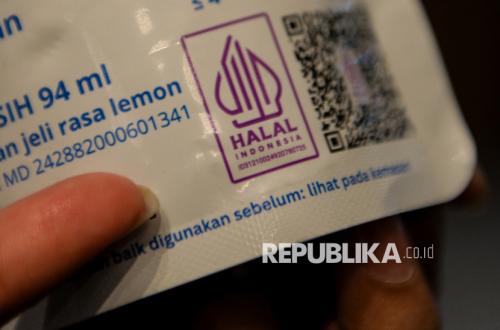
Government policy always has two sides: the objectives it seeks to achieve and the consequences that must be managed. This is often referred to as side effects or unintended consequences.
The same applies to the policy of adjusting the phased deadlines for mandatory halal certification for certain product groups and businesses. This policy should be understood proportionately.
On the one hand, it may be a realistic step that takes account of the readiness of the national halal ecosystem. On the other, the postponement must not obscure the mandate of the law or diminish the public’s right to clear information about the halal status of the products they consume and use.
As a legal practitioner and Chair of LP3H Keluarga Indonesia, I believe this policy adjustment deserves support, provided the government uses it as an opportunity to accelerate compliance, strengthen certification services and ensure consistent law enforcement.
I believe the government’s policy merits critical support. Such support does not mean disregarding the importance of legal certainty; rather, it gives the government an opportunity to prove that the additional time will genuinely improve compliance. The issue now is not simply why the deadline has changed.
The more fundamental question is: what will the government and businesses do to ensure that the same problem does not recur when the next deadline arrives?
Do Not Stop at Changing the Calendar
Law No. 33 of 2014 on Halal Product Assurance places the halal-certification requirement within Indonesia’s consumer-protection system.
In principle, Article 4 of the law requires products entering, circulating and being traded in Indonesia to be halal-certified, subject to provisions on exemptions and declarations that products are non-halal. This mandate entails significant responsibilities for the state.
The government must establish a system that makes the requirement workable, while businesses must meet the applicable conditions. Ultimately, the public is entitled to reliable information about products’ halal status. The deadline adjustment must therefore not be treated as a solution to the problems surrounding halal certification.
A change to the timetable provides only additional time. The policy’s success will still depend on the readiness of the system, the quality of services, businesses’ ability to meet the requirements and consistent supervision.
As a legal practitioner, I believe legal certainty means more than having written regulations. It also requires policies to be understood, implemented and enforced consistently.
Given that the mandatory halal deadline has been moved from 18 October 2026 to 18 October 2028, the government should explain the legal basis, the products covered, the affected business groups and the implications for each party.
This information must be communicated through official channels to prevent differing interpretations among the public.
The Government and Businesses Must Share Responsibility
We cannot ignore the challenges involved in implementing halal certification.
The large number of businesses, differences in administrative capacity, limited understanding of procedures and need for assistance are all issues that deserve consideration. In these circumstances, granting additional time may be a reasonable policy choice. However, it must be accompanied by balanced accountability.
Source: jawawa.id (https://jawawa.id/newsitem/deferring-mandatory-halal-certification-governmental-facilitation-not-a-licence-to-disregard-the-law-1792385467)
Originally published by Republika (https://opini.republika.co.id/berita/tn4yde451/penundaan-wajib-halal-fasilitas-pemerintah-bukan-ruang-untuk-mengabaikan-hukum), translated from Indonesian