
Defective Airbus A321neo Aircraft Affects 500 Jets
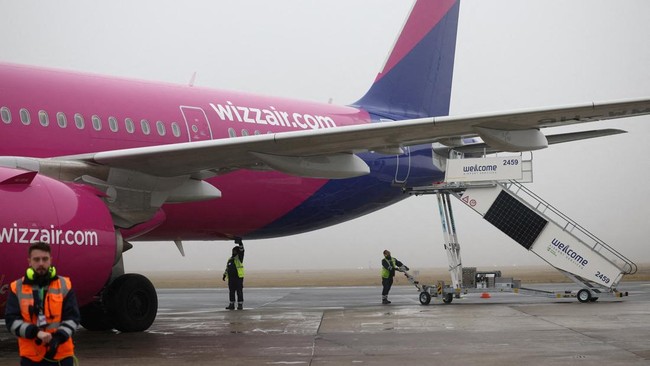
European aircraft manufacturer Airbus is investigating a quality issue on one of its best-selling aircraft, the A321neo, which affects approximately 500 units.
Airbus, alongside the Italian company Leonardo, is investigating a disruption in the coating process of fuselage components involving the private supplier TESI, a subcontractor for Leonardo.
The issue was discovered when Airbus technicians performed inspections on the fuselage and found gaps in the protective primer layer beneath the paint. This layer is designed to prevent corrosion caused by moisture that can accumulate at the bottom of the fuselage.
Sources familiar with the matter stated that engineering teams from Airbus and Leonardo are currently working together at the TESI facility in the southern Naples region of Italy to identify the cause and accelerate the repair process.
Airbus previously confirmed the existence of the issue. However, the company emphasised that this disruption does not impact flight safety.
Of the approximately 500 affected aircraft, 250 units are still in various stages of production. Airbus stated that its target for aircraft deliveries in 2026 remains unchanged.
Maintenance Cycle Shortened
For aircraft that have already been delivered to airlines, Airbus has shortened the repair interval to two years, down from the previous four years. The repair process is expected to take up to nine days, with the primary work lasting approximately two to three days.
This duration is shorter than some analysts feared, as the components do not need to be removed from the fuselage panels. The issue occurs on the structural stringers in one section of the A321neo’s forward fuselage.
The A321neo is one of Airbus’s most popular models, particularly for medium-haul flights. The aircraft is widely used by various global airlines due to its fuel efficiency compared to previous generations.
Airbus Supply Chain Under Scrutiny Again
This case has once again highlighted the challenges Airbus faces in controlling its aviation industry supply chain. Aviation analyst Rob Morris noted that the issue demonstrates that Airbus’s supply chain is still facing pressure.
“The supply chain is not yet fully under control; we thought it had improved previously, but it turns out it hasn’t,” said Morris.
According to him, a single supplier can cause significant disruptions to aircraft production. This marks the second quality issue to emerge regarding Airbus fuselage components in less than a year, amidst the company’s efforts to ramp up production and meet delivery targets.
Airbus is currently increasing production to meet the rising demand for new aircraft as the aviation industry recovers from the pandemic.