
Dedieselisation Seen as Strong Signal of Indonesia's Intent to Reduce Fuel Dependence
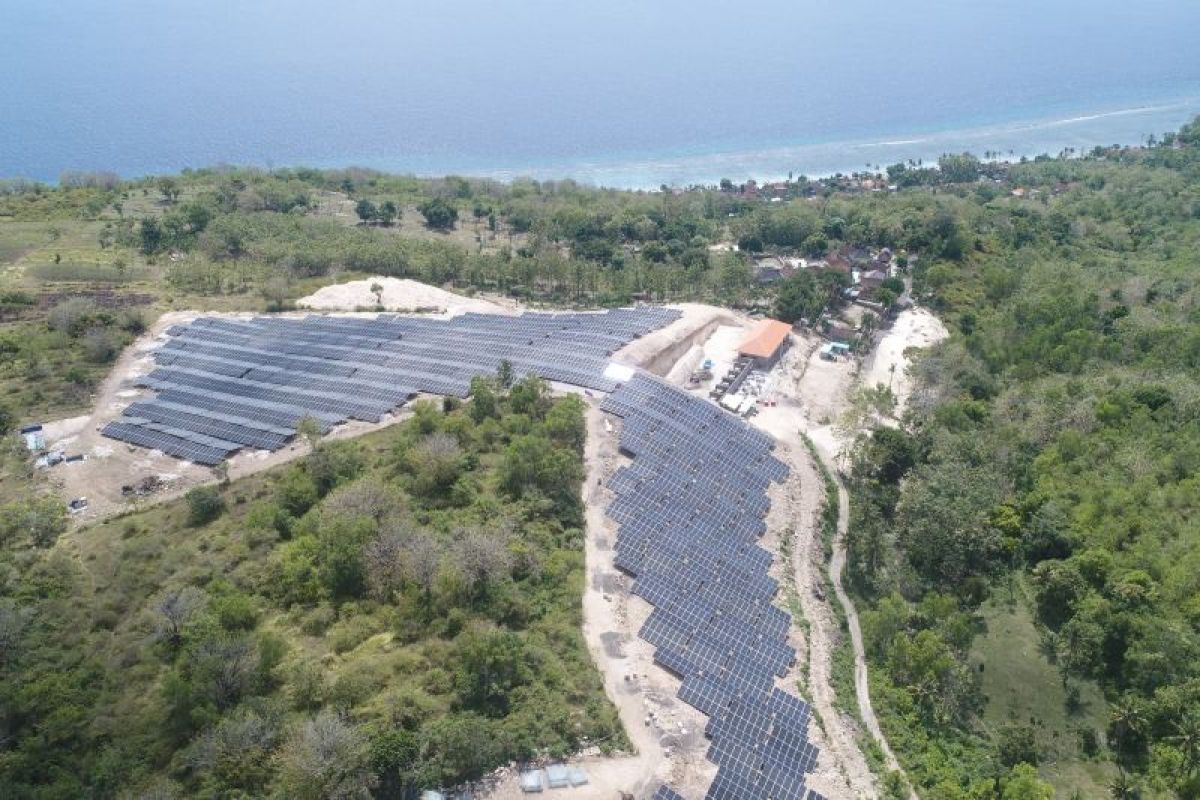
Jakarta (ANTARA) - Policy Strategist Coordinator at CERAH, Dwi Wulan Ramadani, assesses the dedieselisation policy—replacing 13 Diesel Power Plants (PLTD) with Solar Power Plants (PLTS)—as a signal that Indonesia is reducing its dependence on fuel oil (BBM). “With global energy prices fluctuating as they are now, developing large-scale PLTS and other renewable energy sources is becoming increasingly relevant,” Dwi Wulan stated in Jakarta on Monday. According to Dwi, this step should be followed by halting the construction of other fossil-based plants such as gas and coal, which are also vulnerable to global volatility. She noted that in many international trade schemes, gas prices are still linked to oil prices (oil-indexed). The current rise in oil prices will directly drive up gas prices. Moreover, amid the trend of rising global commodity prices, dependence on coal also creates similar vulnerabilities to those of crude oil. “The dedieselisation programme will achieve far more significant impacts if expanded to stop plans for gas and coal power plants, including the early retirement of coal-fired power plants (PLTU), given that coal still massively dominates the national energy mix,” Dwi said. The dedieselisation policy, part of the 100 GW PLTS ambition, provides momentum to reduce fossil fuel consumption, which has long burdened domestic fiscal and economic stability. This is because surges in energy subsidies will continue to haunt Indonesia as long as it depends on fossil energy whose prices are determined by global geopolitical conditions. “The global energy crisis threatening Indonesia is the right moment for the government to integrate the 100 GW PLTS development target into the RUPTL. This step is an appropriate mitigation to replace expensive and unstable fossil energy with more predictable domestic resources,” Dwi stated. This revision reflects global pressures on commodity-based countries, including the impact of energy volatility on fiscal, exchange rates, and investment. Executive Director of the Indonesian Sustainable Welfare Foundation (SUSTAIN), Tata Mustasya, said that economic shocks often force policy reforms to emerge. The current global energy crisis must drive Indonesia’s energy transition, as well as a transformation towards a green and sustainable economy through the 100 GW PLTS programme. According to Tata, this step not only promotes energy resilience but also drives green industrialisation. However, this initiative needs to be accompanied by incentives for domestic manufacturing industries and solar panels, which will impact the economy. “If implemented, the 100 GW programme will strengthen energy resilience. With the right implementation design, this programme is not a cost but an investment for job creation and sustainable economic growth,” Tata said.
Source: jawawa.id (https://jawawa.id/newsitem/dedieselisation-seen-as-strong-signal-of-indonesias-intent-to-reduce-fuel-dependence-1777287281)
Originally published by Antara (Indonesian) (https://www.antaranews.com/berita/5544135/dedieselisasi-dinilai-jadi-sinyal-tegas-ri-kurangi-ketergantungan-bbm), translated from Indonesian