
Dedi Mulyadi to Impose Tax on Electric Vehicles in West Java
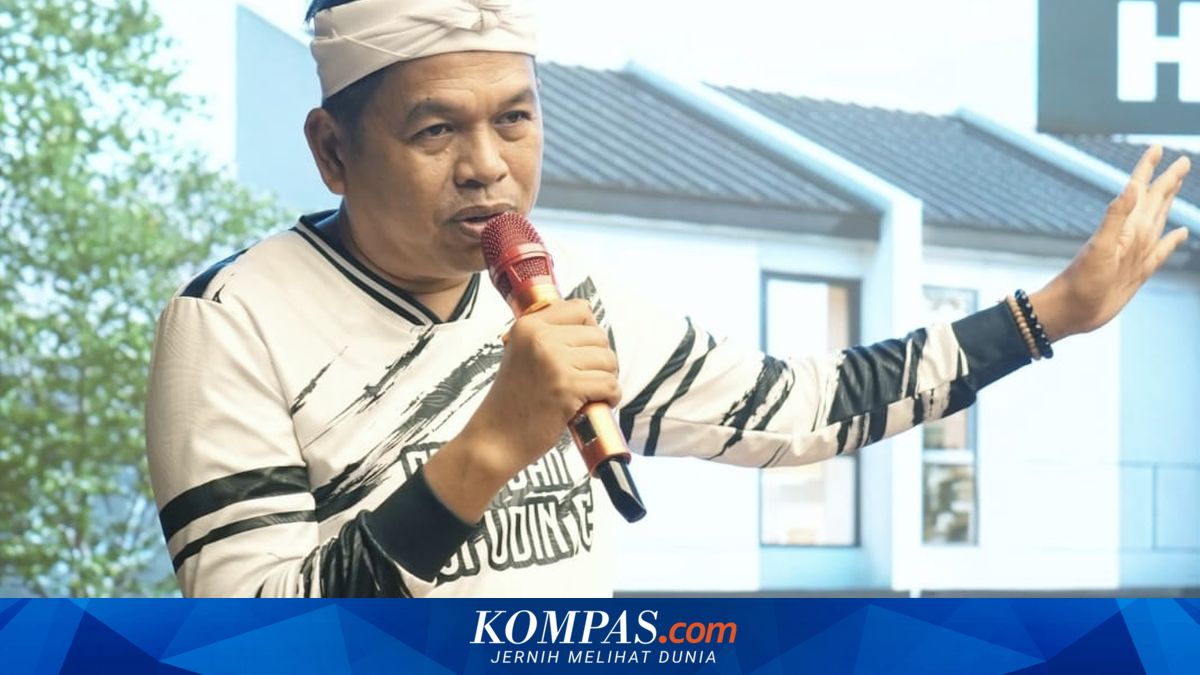
The West Java Provincial Government has confirmed that electric vehicles will continue to be subject to regional taxes, in line with a national policy change that no longer provides automatic exemptions.
West Java Governor Dedi Mulyadi stressed that tax collection is still necessary as a source of funding for development, including road infrastructure used by all vehicles.
“My hope is that the tax remains for regional contributions. After all, motorcycles and cars use the roads,” Dedi stated in his official remarks on Monday (20/4/2026).
According to him, this situation could directly impact development in West Java, particularly in maintaining infrastructure quality.
Dedi is also optimistic that public compliance in paying vehicle taxes will increase, along with the benefits felt, especially from road improvements.
As support, the West Java Provincial Government has provided conveniences in the vehicle tax payment process, including simplification of administrative requirements without needing to bring the original owner’s ID card.
This policy direction change is inseparable from the issuance of the Minister of Home Affairs Regulation (Permendagri) No. 11 of 2026, which alters the national taxation scheme for electric vehicles.
Previously, under Permendagri No. 7 of 2025, battery-based electric vehicles (BEV) automatically received exemptions from Motor Vehicle Tax (PKB) and Motor Vehicle Ownership Transfer Fee (BBNKB). Now, that status no longer applies.
In the latest regulation, the formulation is no longer explicitly stated. Article 3 still lists renewable energy vehicles as exempted objects, but without detailed explanation as before (whether it includes BEV or not).
At the same time, Article 19 opens the door for taxation, with the note that local governments may provide incentives in the form of exemptions or reductions.
This policy positions electric vehicles on par with conventional cars in the tax structure, although incentives are still possible.
On the other hand, a different approach is being prepared by the DKI Jakarta Provincial Government.
DKI Jakarta Governor Pramono Anung previously stated that his side is formulating derivative policies that will regulate electric vehicle incentives in a more balanced manner.
“In the near future, the DKI Jakarta Government will regulate policies related to electric vehicles fairly. Because electric vehicles receive odd-even facilities, zero percent tax,” said Pramono.
According to him, electric vehicles have so far enjoyed various incentives, from tax exemptions to odd-even exemptions.
“For those exempted, we will exempt 100 percent, but for those taxed, we will reduce and so on. That will be decided soon,” Pramono added.