
Dedi Mulyadi Seeks to Secure Education Rights for Poor Students Excluded from SPMB
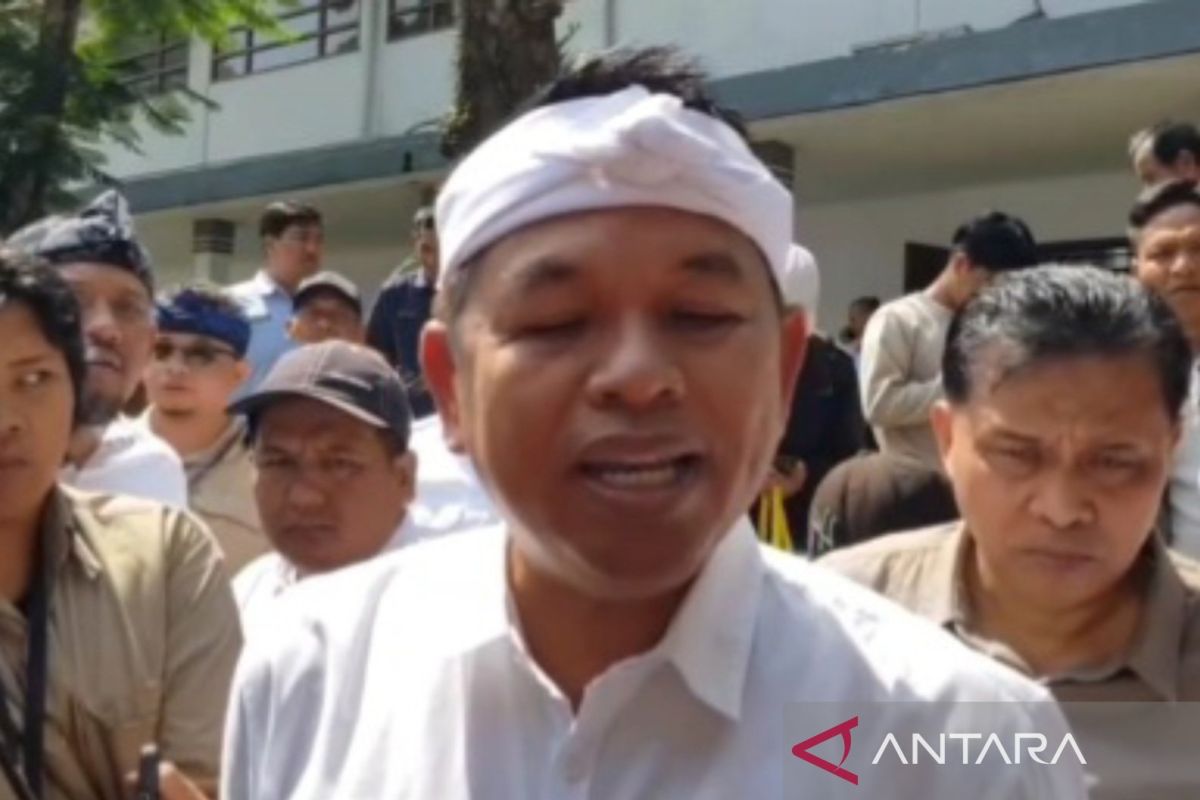
Bandung (ANTARA) - The Governor of West Java, Dedi Mulyadi, has admitted to facing a significant dilemma in securing educational rights for hundreds of thousands of poor students who have been excluded from the 2026 New Student Admission System (SPMB) in state schools due to lack of capacity.
Governor Dedi Mulyadi stated that he had initially considered increasing the number of study groups (rombel) in state schools, but decided against it following objections from several private school foundations. Meanwhile, many private school foundations appear reluctant to accept the financial cooperation offers presented by the West Java Provincial Government.
“The Governor must not be placed in a dilemma. On one hand, increasing study groups in state schools is not permitted, but on the other hand, private schools are offered cooperation with a specific budget but refuse,” said Governor Dedi Mulyadi in a statement in Bandung on Monday.
The West Java Provincial Government has prepared a fiscal stimulus scheme in the form of educational assistance amounting to Rp2.7 million per student in the first year as compensation for absorbing these underprivileged students. It is hoped that this subsidy budget will be promptly agreed upon by the foundations.
According to Dedi, tactical collaboration between the West Java Provincial Government and the private sector is an absolute necessity to break the cycle of school dropouts at the SMA and SMK (senior high school) levels. Without intervention and flexibility from private schools, he noted, children from disadvantaged families who fail to enter state schools are certain to lose their future.
Based on sociological mapping conducted by the West Java Provincial Government, groups from the wealthy economic class have already secured their positions by enrolling independently in private schools. Meanwhile, other students who meet the 2026 SPMB criteria will be distributed to available state schools.
Therefore, it is hoped that the remaining vacant quotas in partner private schools will be prioritised for the absorption of poor students to ensure the principle of social justice in education.