
Dedi Mulyadi: Paid Roads If Provincial Roads Are Already Like Toll Roads
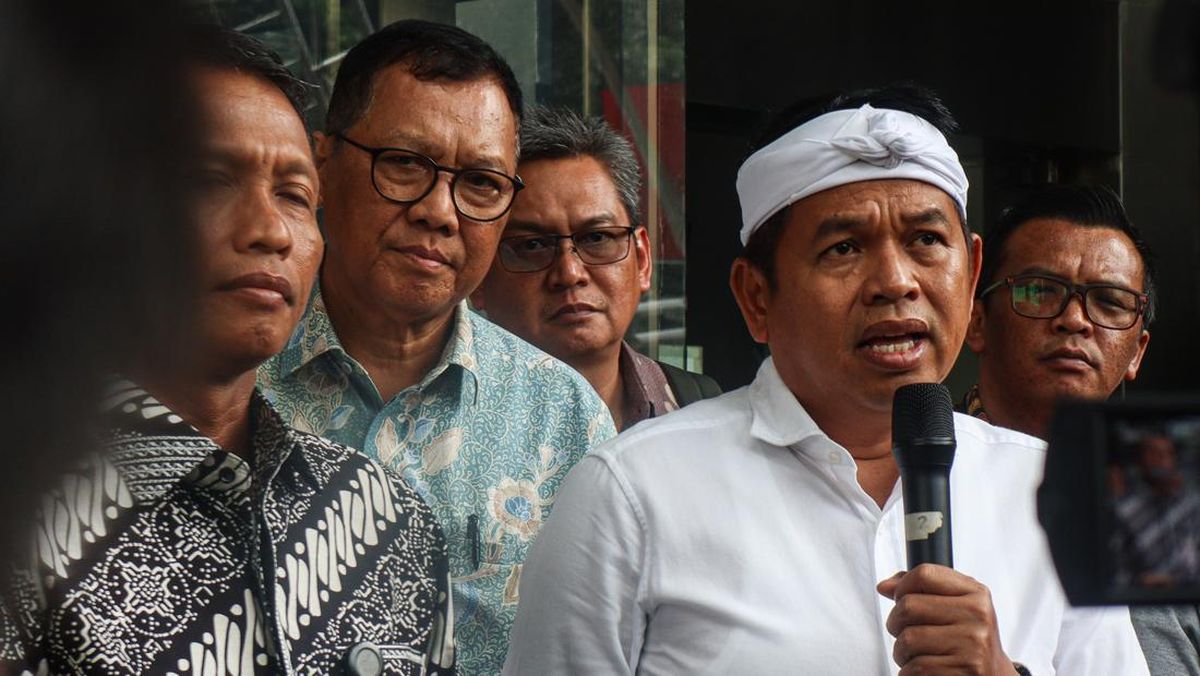
West Java Governor Dedi Mulyadi has outlined the primary condition for implementing paid roads across all provincial highways under his administration’s management.
Dedi acknowledged that the concept remains under review. According to him, the paid road initiative is proposed as a replacement should motor vehicle taxes in West Java be abolished.
“After all, electric vehicle taxes are not permitted. Perhaps in the future they will be allowed once the global economy recovers. But there is also the idea that if we want fairness in motor vehicle taxes, abolish them and replace with paid roads,” Dedi stated, quoted from an interview on his personal Instagram account on Wednesday (13/5).
According to Dedi, imposing fees on road usage better fulfils the principle of fairness than selectively taxing motor vehicles. Moreover, he noted, not all residents have the same routines in using their vehicles.
In the future, Dedi explained, the payment mechanism would resemble that of toll roads and would apply exclusively to provincial roads.
“Whoever uses the provincial roads pays. That is fairer. Rather than taxing the vehicle but it never hits the road,” he said.
Nevertheless, Dedi stated that his side is still studying the concept. He particularly wants all provincial roads to meet toll road standards before the policy is officially enacted.
In the review, his team will involve experts, from transportation specialists to academics. The study will be conducted by the Transportation Department and the Regional Revenue Department.
“But with the calculation that all provincial roads already meet the requirements like toll roads,” said the Gerindra Party politician.
Previously, Dedi had discussed the concept during a plenary session of the West Java DPRD in Bandung on Monday (11/5).
Paid roads are proposed as a replacement for PKB to create a fairer tax collection system, in line with the central government’s request that electric vehicles not be subject to PKB by provincial governments.