
Declining Population Puts Pressure on Japanese Car Aftersales Business
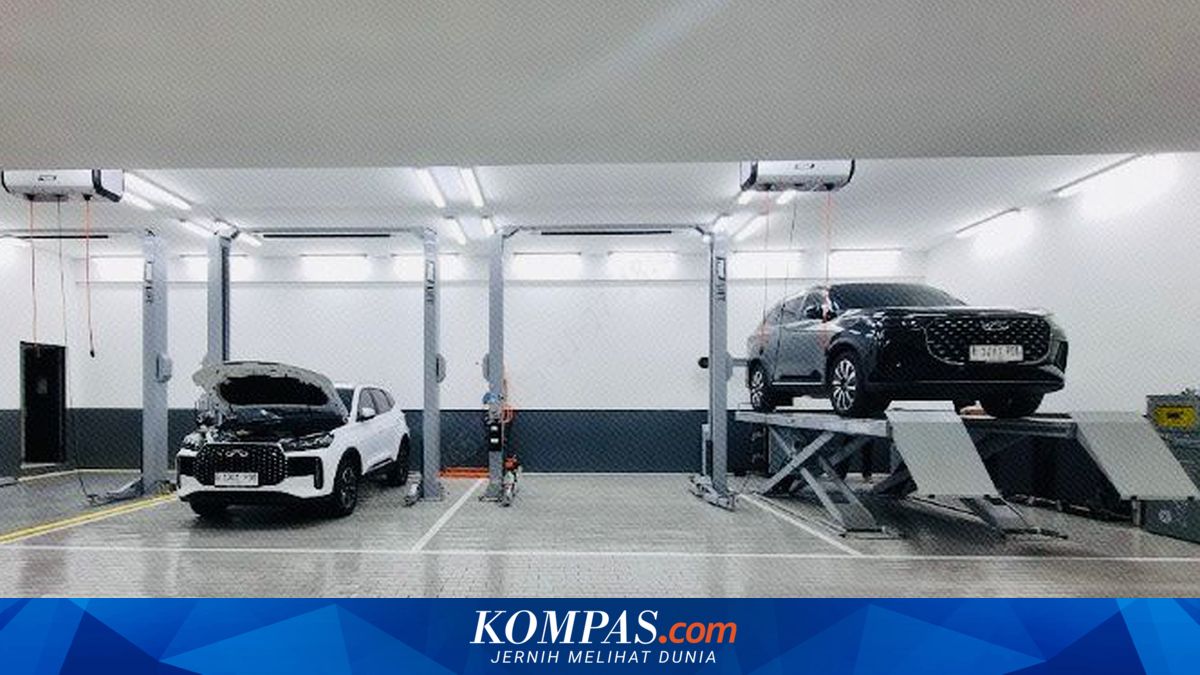
WUHU, KOMPAS.com – The market shift from Japanese cars to Chinese brands is not only affecting sales but is also beginning to impact the aftersales services sector. This has been acknowledged by dealers who are now starting to adjust their business strategies in line with the trend.
Trimegah Group’s Managing Director, Lindawati Tandyo, stated that Japanese car aftersales services have remained strong due to the large vehicle population in Indonesia.
“Aftersales for Japanese cars have always had a large population, but we think it will gradually decline as sales decrease. It has been noticeable since 2023 after COVID, and it continues to drop,” said Linda in Wuhu, China, on Wednesday (29/4/2026).
According to her, this downward trend became evident as the automotive market recovered post-pandemic. The lack of product updates is seen as contributing to the reduced appeal of Japanese brands, ultimately affecting future vehicle population growth.
On the other hand, the arrival of electric vehicles from Chinese brands presents new challenges for the aftersales business. Pure electric vehicles require far less maintenance than conventional engine cars.
“Electric cars do have minimal maintenance; there’s almost no input for workshops. But Chinese cars like Chery still have plug-in hybrids, not truly zero,” said Lindawati.
This means that although the electrification trend is rising, opportunities in the aftersales business have not entirely disappeared. Plug-in hybrid (PHEV) models still require periodic maintenance because they continue to use petrol engines as support.
Looking ahead, this shift is expected to continue as the penetration of electric vehicles increases in Indonesia.
As a result, the aftersales business landscape will also change, moving from reliance on conventional cars to services more oriented towards new technology.