
Decisive! This Nation Fights Trump's Trade War, Boycotting US Products
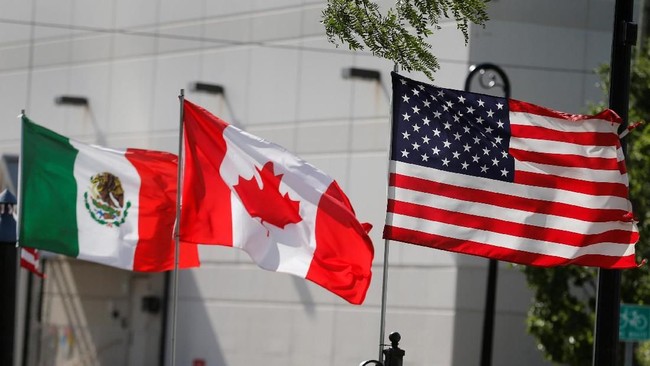
Canadian citizens are increasingly boycotting United States products and switching to local goods as the trade war with President Donald Trump’s administration intensifies.
This consumer pressure is beginning to alter supermarket shelves and forcing retailers to seek new suppliers. One such retailer is Giancarlo Trimarchi, president of the independent grocery chain Vince’s Market.
According to Trimarchi, the boycott is much stronger than in previous years. “This time it is far more aggressive compared to last year,” Trimlarhi stated in an interview, after his stores faced criticism for still selling US-origin products, as reported by Reuters.
His four stores in the Greater Toronto area now source approximately 90% of their agricultural products from Canada. He has even replaced US-sourced strawberries with those from Quebec, while acknowledging that such changes increase operational cost pressures.
“We are always faced with a situation where we must balance quality and price. Now, the factors have become quality versus price versus country of origin,” said Trimarchi.
Major Canadian retailers are also adjusting their strategies. Loblaw Cos has reintroduced maple leaf symbols to mark Canadian products and is using a “T” label to indicate goods affected by tariffs, while Metro has stated it will continue to prioritise local products.
Gary Sands, Senior Vice President of Public Policy and Advocacy at the Canadian Federation of Independent Grocers, believes this change in consumer behaviour is likely to be permanent. Government data shows Canada’s share of vegetable imports from the US fell to 62.6% in July, down from 69% in the same month in 2023.
“There has been a permanent change in the mindset of the Canadian people,” he remarked.
Anti-US sentiment is also evident among consumers. John Ambard, a 27-year-old Toronto resident, said he now checks labels more frequently and seeks company information to avoid US products.
“If I can support Canadian products and institutions during these difficult times, it is a way for me to help with my limited means,” he said.
The boycott is simultaneously encouraging Canada to strengthen its domestic food security. The government has allocated approximately 3 billion Canadian dollars (around Rp38.7 trillion) over 10 years to build greenhouses, increase food production throughout the winter, and reduce dependence on imports for when trade relations with the US intensify.