
Decile Polemic: Differences Between Central Government and Yogyakarta Regional Government Poverty Data
The recent polemic over changes to the decile system has prompted the Yogyakarta Special Region (DIY) government to speak out. The DIY government revealed that it also has its own poverty data for the region. Here are the differences between the central government’s data and the data held by the DIY government.
For information, the data on welfare level groupings, or deciles, is issued by the Central Statistics Agency (BPS). The decile grouping refers to the National Socio-Economic Single Data (DTSEN). Through this system, Indonesian citizens are grouped into 10 categories or deciles. Each decile covers approximately 10 percent of the population, with decile 1 being the group with the lowest welfare level and decile 10 being the group with the highest welfare level.
Determining deciles does not only look at family income. There are a number of other indicators that are also taken into account, ranging from housing conditions, education, employment of family members, electricity usage, to asset ownership.
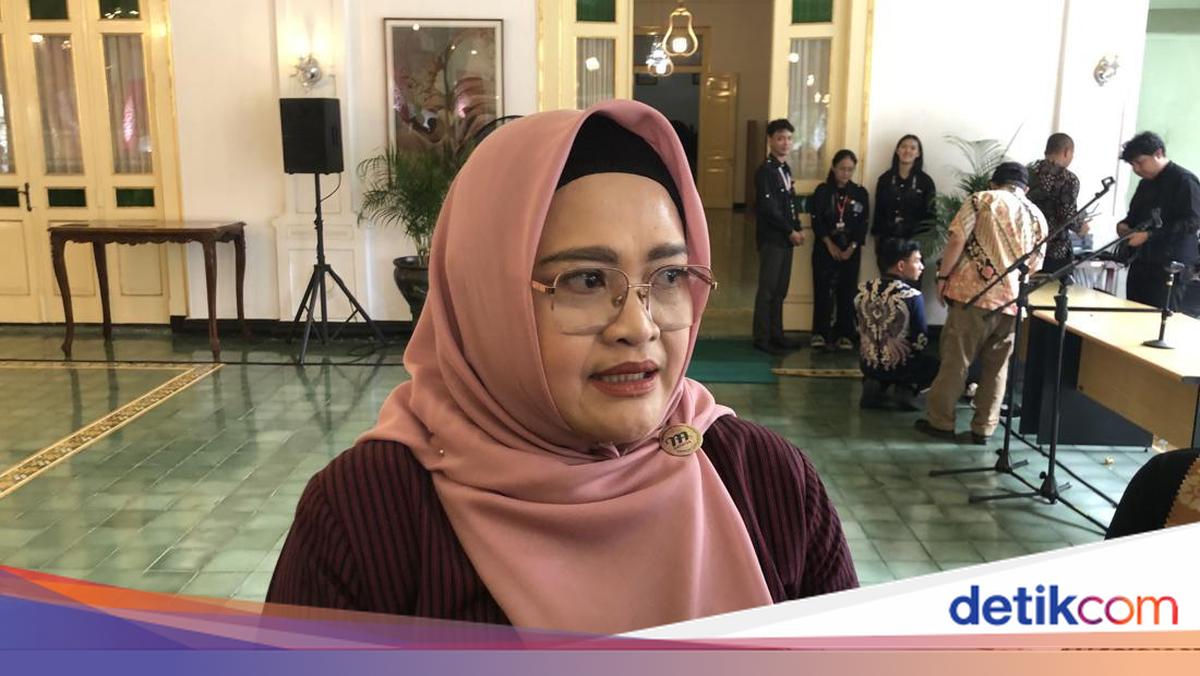
DIY Regional Secretary Ni Made Dwipanti Indrayanti said the DIY government also has data developed through collaboration with district and city governments. The data is integrated in the Single Poverty Data system and provides a more detailed picture of community conditions, including welfare groups, assistance that has been received, and the forms of intervention that have been carried out.
“So actually with that single data, we can finally monitor. It is already very, very detailed in the sense of what category the poverty falls into, what assistance is received, what type it is. It is already visible there,” Made said through a written statement on Thursday (20/8).
Differences in Poverty Data
Head of the DIY Social Service, Suyarno, explained that the data held by the DIY government is intervention data. This data is data on aid recipients for residents categorised as poor. Meanwhile, the poor category still refers to indicators from the central government’s data, in this case the DTSEN from BPS.
“For us, the regional data is more intervention data. Intervention means aid recipients, programme recipients. Yes, but the reference is still BPS data, because whatever poverty is, it is DTSEN, other data is not allowed,” Suyarno explained when contacted by detikJogja on Friday (21/8).
“So that (intervention data) has been processed between district interventions, with the province, with villages, and so on, it will be integrated, it is being processed. But it is intervention data,” he continued.
Regarding the poverty indicators in the intervention data held by the DIY government, Suyarno said they still refer to the poverty indicators of the central BPS.
“When talking about poverty indicators, of course we refer to BPS, because whatever indicators are used, what we use is the data from BPS,” Suyarno explained.
“Related to expenditure, for example. For example, the condition of the house, the roof, the walls, like that. Then the use for cooking, whether it is wood or a stove, like that, electricity, like that. So it is still the same, we refer to BPS,” he added.
Suyarno said that the distribution of assistance to the poor is carried out after matching data on poor residents between BPS and the intervention data collected by the DIY government.
“So we help in the sense of related to the matching, we also do it with, because we have the Manunggal Rahardja application, for example. So the intervention data and the programmes we carry out, the activities we carry out, still refer to DTSEN by us doing the matching,” he concluded.