
Death Toll Rises Again: 633 Killed in Nepal-Tibet Flash Floods
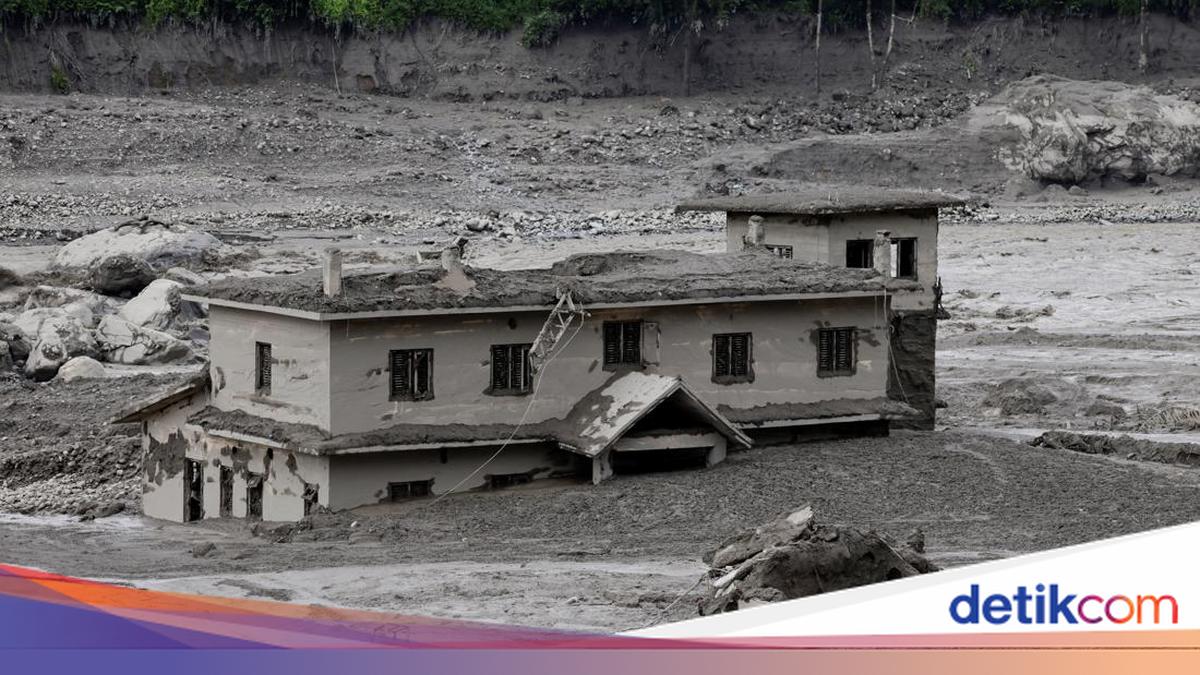
Authorities in Nepal and China have again updated the death toll from the devastating flash floods and landslides that struck the remote Himalayan region. At least 633 people have now been confirmed dead following the deadly disaster that hit the Nepal-Tibet border area three days ago.
Nepal’s National Disaster Risk Reduction and Management Authority, in its latest statement as reported by AFP on Saturday (29/6/2026), announced that the death toll in Nepal had risen to at least 626 people as of Saturday morning (29/8). The number of missing has also increased, reaching 2,426 people. Nepali authorities added 933 local hydropower workers to the missing persons list, which previously included climbers and pilgrims heading to the sacred Mount Kailash in Tibet.
According to the National Disaster Risk Reduction and Management Authority, the missing figure includes 517 foreign nationals whose whereabouts remain unknown.
Separately, Chinese state media, the sole source of information on current conditions in Tibet, confirmed that at least seven people were killed by landslides that struck the Gyirong area in Tibet. A further 554 people were reported missing. With the additional deaths from both regions, the total death toll now stands at 633. The total number of missing is recorded at 2,980 across Nepal and Tibet.
Meanwhile, Indian authorities reported the discovery of seven bodies washed away in rivers flowing from Nepal. The seven bodies are believed to be victims of the massive flash floods. It is unclear whether these seven bodies are included in the death toll reported by Nepali authorities.
Rescue teams in Nepal and China are still struggling to locate thousands of missing people, days after the deadly wall of water and debris, resembling a tsunami wave, swept through the Himalayan region and submerged several local villages. They are also racing against time to evacuate survivors from affected zones, where severe damage has caused food and water supplies to dwindle.
Search efforts for the missing are also hampered by concerns over further flooding in affected areas and continuing rain. Ice and mud floods have formed large mud lakes, and one such formation poses a direct threat to emergency workers scouring the area for survivors.
Nepali authorities urged all rescue teams to “immediately move to safe locations”, stating they had received information about “the breach of one of the dams on the Tibetan side”. In Tibet, Chinese authorities leading the search and rescue efforts temporarily halted operations in the Gyirong area, the worst affected, due to the risk of further flooding. Shortly afterwards, Beijing authorities stated that the risk had subsided.
On Saturday morning (29/8), Xinhua news agency reported that two villagers in the area had been successfully rescued. Previously, local authorities stated they had evacuated 555 stranded tourists and 499 Chinese citizens from Tibet.