
Death Penalty Bill Sets 30-Day Limit for Execution After Attorney General’s Order
Deputy Minister of Law Eddy Hiariej has outlined provisions in the draft Bill on Procedures for the Implementation of the Death Penalty. One provision sets a maximum period of 30 days for carrying out an execution from the date the Attorney General orders implementation of the sentence.
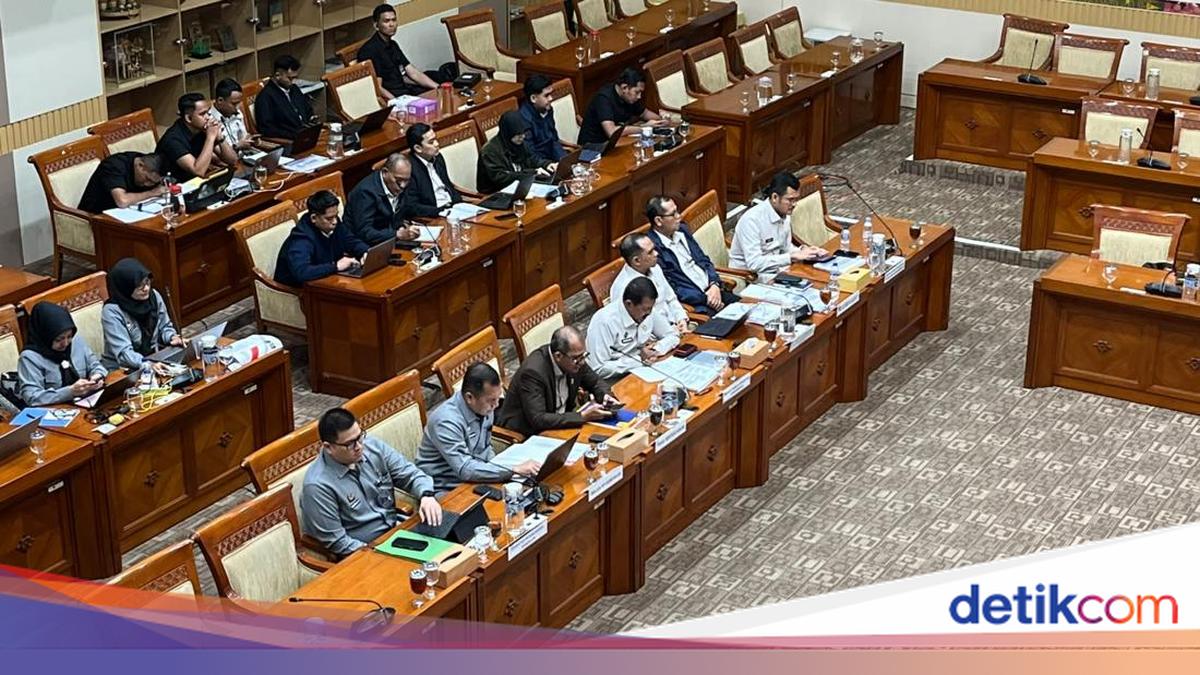
Eddy made the remarks during a working meeting with Commission III of the House of Representatives at the parliamentary complex in Senayan, Jakarta, on Tuesday (24 November 2026). The meeting discussed the submission of the bill’s inventory of issues.
“The execution must take place no more than 30 days after the Attorney General orders the implementation of the death sentence,” Eddy said.
The bill also requires notification of the execution to the prisoner, their lawyer, family and relevant institutions. Eddy said the Prosecutor’s Office would also publish information about executions on the Attorney General’s Office website.
“Notification of the implementation of the death sentence must be given to the death-row prisoner, their lawyer, family and relevant institutions,” he said.
“Information about the implementation of the death sentence will be published by the Prosecutor’s Office on the Attorney General’s Office website,” he added.
He said the execution process would run through stages from preparation to completion. The handling of the body would be determined in accordance with the request of the death-row prisoner or their family.
The bill also sets out the rights of death-row prisoners, including the right to suitable accommodation, communication with family, legal assistance and the right to propose the place of execution. Eddy said their treatment would be based on the protection and respect of human rights.
“The obligations of death-row prisoners will be regulated in accordance with legislation on correctional services,” he said.
“It also regulates the waiting period, clemency and health conditions, as well as the determination of an execution once all requirements and documents have been fulfilled,” he added.
Eddy stressed that the treatment of people sentenced to death must not be arbitrary and that executions must uphold human rights.
“The existence of the death penalty in Indonesia’s criminal justice system means the state must have a clear and measurable mechanism, both for imposing the sentence and for carrying out the judgement,” he said.
Source: jawawa.id (https://jawawa.id/newsitem/death-penalty-bill-sets-30-day-limit-for-execution-after-attorney-generals-order-1795499508)
Originally published by detikcom (https://news.detik.com/berita/d-8767145/ruu-pidana-mati-atur-eksekusi-maksimal-30-hari-sejak-ditetapkan-jaksa-agung), translated from Indonesian