
Dealers Reveal Why Electric Vehicles Remain Popular During Economic Slowdown
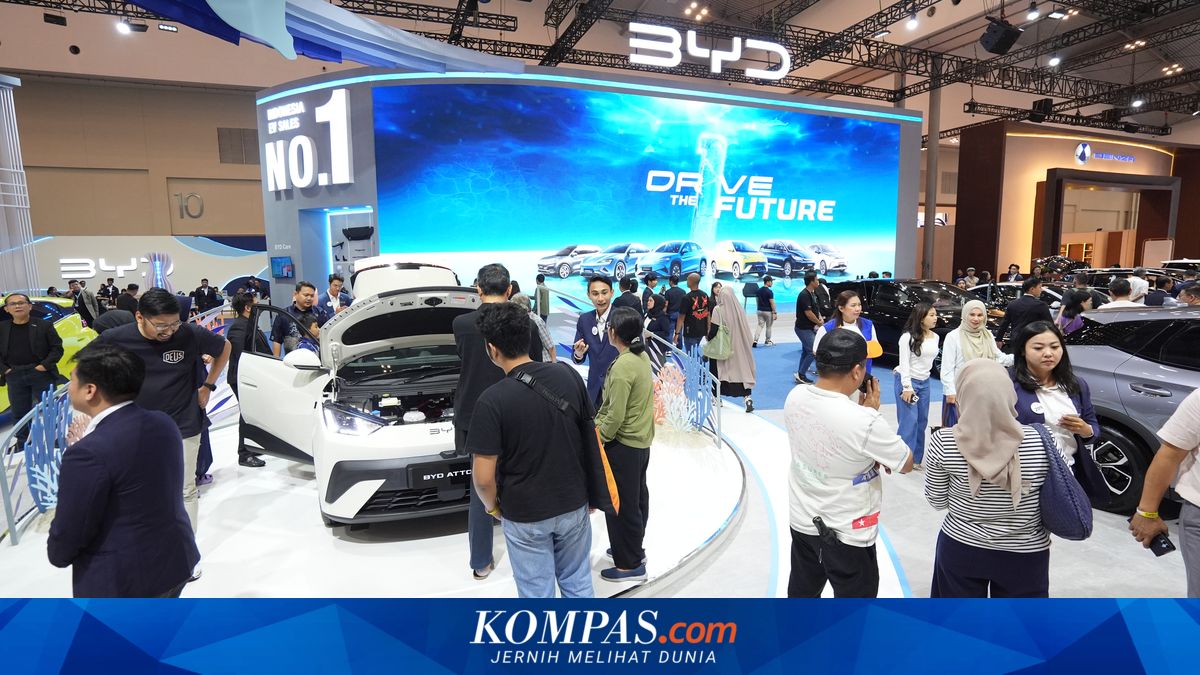
Jakarta—Despite conditions where the economy has not fully recovered and purchasing power for many segments of society remains under pressure, electric vehicle sales demonstrate a contrasting trend.
Several electric vehicle brands continue to record strong demand, even as the national automotive market faces challenges.
According to data from the Indonesian Automotive Industry Association (Gaikindo), electric vehicle distribution from manufacturers to dealers (wholesale) in April 2026 reached 14,815 units, a rise of 40 per cent compared to the previous month.
This figure surged 89.4 per cent compared to the same period last year, demonstrating that public interest in electric vehicles continues to grow.
According to Haka Auto CEO Hariyadi Kaimuddin, there are two main factors that keep electric vehicles attractive to consumers.
“Usually this segment (upper-middle class) isn’t greatly affected,” Hariyadi told Kompas.com recently.
He explained that the consumer segment that is currently the primary target for electric vehicles still possesses strong purchasing power despite economic pressures.
“That class seems to still have plenty of money, not affected like that. It’s actually somewhat anomalous in electric vehicles. This crisis, in a manner of speaking, is somewhat advantageous for electric vehicles,” Hariyadi said.
According to Hariyadi, increases in fuel prices over recent years have caused many vehicle owners to recalculate the transportation costs they must incur each month.
“Since fuel price increases became widespread, conditions have become difficult. People think about how they can reduce expenses. What can be saved, and the savings from electric vehicles are quite substantial,” Hariyadi said.
“When you calculate the difference between an electric vehicle and a previous vehicle, it’s already significant, and once fuel prices increase again, the comparison becomes decisive—it’s already very substantial,” he said.
“We chatted with several colleagues, and typically (fuel expenses) of 5 million rupiah now amount to just 600,000 rupiah when using an EV,” he said.