
Deadly Bangkok bar fire reignites concerns over Thailand's lax nightlife safety enforcement
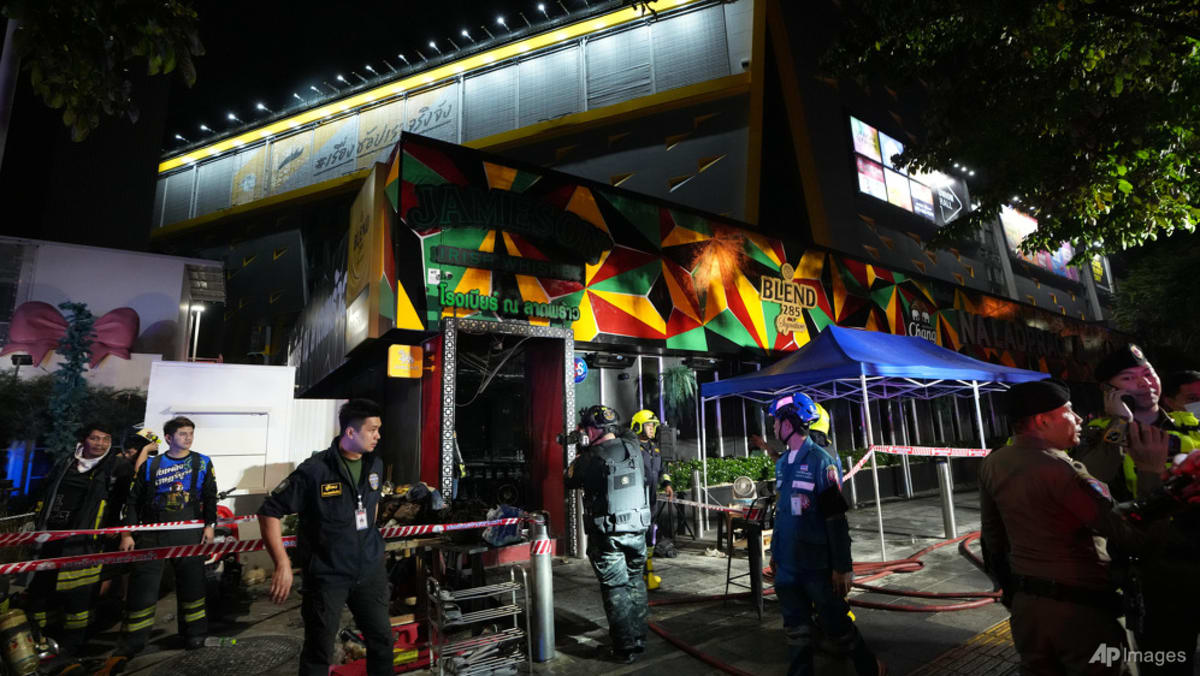
‘A recurring nightmare’: After another deadly bar fire, Thailand confronts familiar safety questions
Thailand has promised tougher nightspot safety measures after major fires in the past. Yet following the deadly bar fire in Bangkok on Sunday, bar owners, patrons and experts tell CNA many of the same problems persist.
BANGKOK: When Bangkok was waking to news of a devastating bar blaze on Monday (Jul 13) morning, Vorada Hankijjakul was starting to receive messages on her phone to check if she was okay.
A regular partygoer, she had not been out on Sunday, when, just before midnight, witnesses watched smoke rise near the music stage at entertainment outlet Rong Beer Na Lat Phrao. Within moments, an explosion was heard and the venue was engulfed by flames and thick toxic smoke.
The death toll stands at 32, with 30 people still being treated in hospitals in the city. Among those, 15 are in intensive care units.
For the 26-year-old analyst, the incident reinforced a feeling shared by many in Bangkok’s nightlife scene; that this type of tragedy could happen to anyone, anywhere, a reflection of the inherent risks that many Thais feel, but largely ignore, when they go out in the city.
To Vorada, other patrons and bar owners in the capital who spoke to CNA in the aftermath of the fire, this type of incident was not new or surprising.
“My first reaction was, ‘damn, that’s tragic’. Thank God it did not happen at the club I went to the night before; it would have been much worse, especially with the amount of people they tried to pack in,” she said.
“Part of me felt like something like this was bound to happen eventually.”
Following Sunday’s tragedy, Prime Minister Anutin Charnvirakul said that safety standards should be elevated to a “national agenda”, ordering agencies to complete inspections of buildings and entertainment venues nationwide within 30 days.
The focus of such checks should be fire protection systems, emergency exits, occupancy limits and strict compliance with laws and safety standards, he said.
Bangkok’s governor Chadchart Sittipunt also ordered city officials to carry out comprehensive checks to identify fire safety risks and ensure compliance with existing regulations.
Current investigations into the fire are focusing on whether emergency exits were blocked, if improper renovations had been done to the property and around the use of flammable materials for stage decorations and soundproofing.
“Of course the first reaction was shock and upset for those who are victims and families and friends of victims,” said Fah, a bar operator in Bangkok who wanted to be known only by her nickname.
“But then the second reaction would be ‘again?’ Unfortunately it isn’t something that’s surprising in Thailand.”
Thailand has repeatedly promised to make nightlife safer after devastating fires. This latest incident - which occurred less than 3km from the popular Chatuchak Weekend Market - has the country reassessing the very same questions it has been asking for nearly two decades.
On New Year’s Eve in 2009, fire broke out at the Santika Club in Bangkok’s Ekkamai district. Sixty-seven people were killed and more than 220 were injured, making it Thailand’s deadliest nightclub fire.
Investigators concluded that the blaze was likely triggered by indoor pyrotechnics or fireworks, which ignited highly flammable acoustic foam lining the ceiling and walls.
A similar situation played out at the Mountain B club in Sattahip in Chonburi province in 2022, when fire engulfed flammable acoustic foam installed throughout the venue, killing 26 people.
Investigators found serious safety failures, including a locked rear exit, effectively leaving patrons with only one usable escape route.
Following both of these fires, authorities promised tougher enforcement. Yet many of the same concerns are now central to this latest investigation, said observers.
“This is a recurring nightmare that nobody wants to see happen again,” said Sanga Ruangwattanakul, president of the Khaosan Road Business Association, which covers an area in Bangkok highly popular for nighttime entertainment.
“And this time, it has severely shaken public confidence.”
SCARS FROM THE PAST
The Santika fire especially had a scarring impact on many young partygoers in Bangkok that still lingers today, and resonates strongly when similar tragedies occur.
“I still remember Santika like it was yesterday. I was already frequenting these places, and I remember it was New Year’s, and it was that feeling that it could have been any club,” said Cha, who wanted to be known only by her nickname and is now a bar operator in Bangkok.
She said she was shocked by the Rong Beer Na Lat Phrao incident, but “not surprised”, given her insights into how the industry works and a lack of enforcement of safety regulations.
At her venue, which has been open for about one year, she said not a single safety inspection has ever been carried out.
“Zero. At no point was it officially ticked off. Either not from our landlord, not from the previous bar owner and never from the cops, ever,” she said.
It has been left to her and her business partners to take individual responsibility, install smoke alarms and fire extinguishers to protect their patrons.
They have even installed a rope ladder on their bar’s balcony, so people could climb downwards from the third floor if a fire were to break out in the old converted shophouse in the Bangrak area of the capital.
After attending a mandatory emergency fire safety session with local authorities on Tuesday that was called after the Lat Phrao fire, she felt the burden of responsibility was still being skewed towards bar operators.
“The energy that I felt was ‘it’s your responsibility’. It is, but at the same time, they also have a role in this. They’ve told us that the inspections are coming, so let’s see if it actually happens,” she said, referring to the authorities.
For “P”, another bar owner in Bangkok who declined to give his full name, disast