
DBH Threatened with Cuts, Jakarta Provincial Government Opts to Reduce Non-Priority Spending
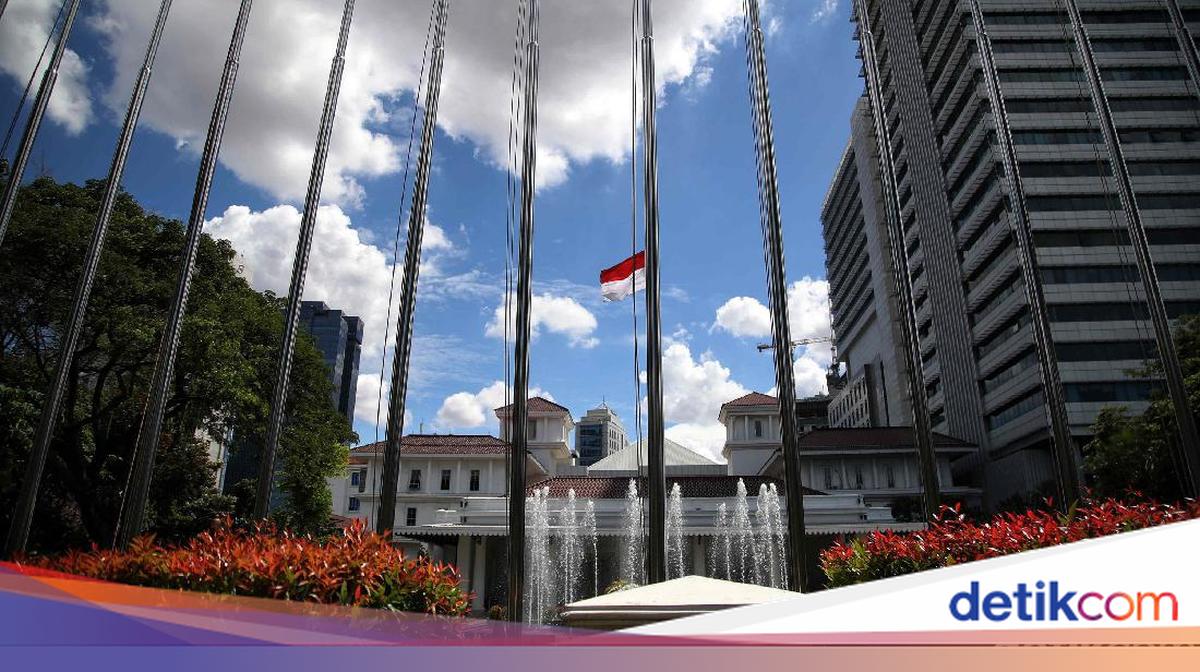
The Jakarta Provincial Government is preparing a series of anticipatory measures regarding the potential reduction of the Revenue Sharing Fund (DBH) from the central government. One of the steps being prepared is to implement efficiency by cutting spending that is not a priority.
Special Staff to the Governor of Jakarta for Public Communication, Chico Hakim, stated that the provincial government understands the concerns previously raised by the Jakarta Regional House of Representatives (DPRD) regarding the possible DBH cuts, which could impact the regional budget posture.
“We understand the concerns of the Jakarta DPRD regarding the possibility of further DBH cuts, as has happened before and impacted the regional budget posture,” Chico said when contacted on Tuesday (23/6/2026).
Nevertheless, Chico emphasised that the Jakarta Provincial Government will continue to maintain programmes that directly affect the needs of the public. Therefore, efficiency will be focused on non-priority spending without reducing basic services.
“The Jakarta Provincial Government under Governor Pramono Anung is addressing this matter with a wise and proactive stance. We respect the national fiscal condition, yet remain focused on the main priority, which is safeguarding the welfare of citizens and accelerating development towards Jakarta’s 5th centenary,” he stated.
According to Chico, the first step to be taken is a strict budget reallocation. Non-urgent spending will be reduced so that public service programmes can continue to run optimally.
“We are carrying out strict efficiency and budget reallocation, cutting non-priority spending without reducing basic services to the community such as free education, healthcare, public transport, waste management, flood control, and slum settlement improvement,” he explained.
In addition to budget efficiency, the Jakarta Provincial Government is seeking to strengthen its Locally Generated Revenue (PAD). This effort is being made through increased investment, regional revenue innovation, and optimising the role of regional-owned enterprises (BUMD).
“We are also encouraging the optimisation of our own regional revenue through innovation, increased investment, and empowering BUMD so that regional assets can be utilised to their maximum potential,” he said.
Furthermore, the Jakarta Provincial Government is also opening up opportunities for alternative financing to support strategic programmes. A collaboration scheme with the private sector is one of the options being considered.
“We are exploring creative and regulation-compliant alternative financing, such as collaboration schemes with the private sector through the Jakarta Collaboration Fund and other regional financing instruments, so that strategic programmes can continue to run,” he added.
Chico assessed that these fiscal challenges will not hinder Jakarta’s progress towards its 500th anniversary. In his view, the city’s development does not depend solely on the size of the budget, but also on collaboration from various parties.
“The momentum towards Jakarta’s 5th centenary is not just about the budget, but rather the collaboration of all parties—the provincial government, DPRD, the private sector, and the community—to build a global city that sides with its citizens,” he remarked.
The Jakarta Provincial Government also confirmed it will continue to coordinate with the central government so that the potential DBH cuts can be minimised. At the same time, various development programmes and public services will remain a priority.