
Data Integration Poses Challenge for Fintech and Regional Bank Collaboration
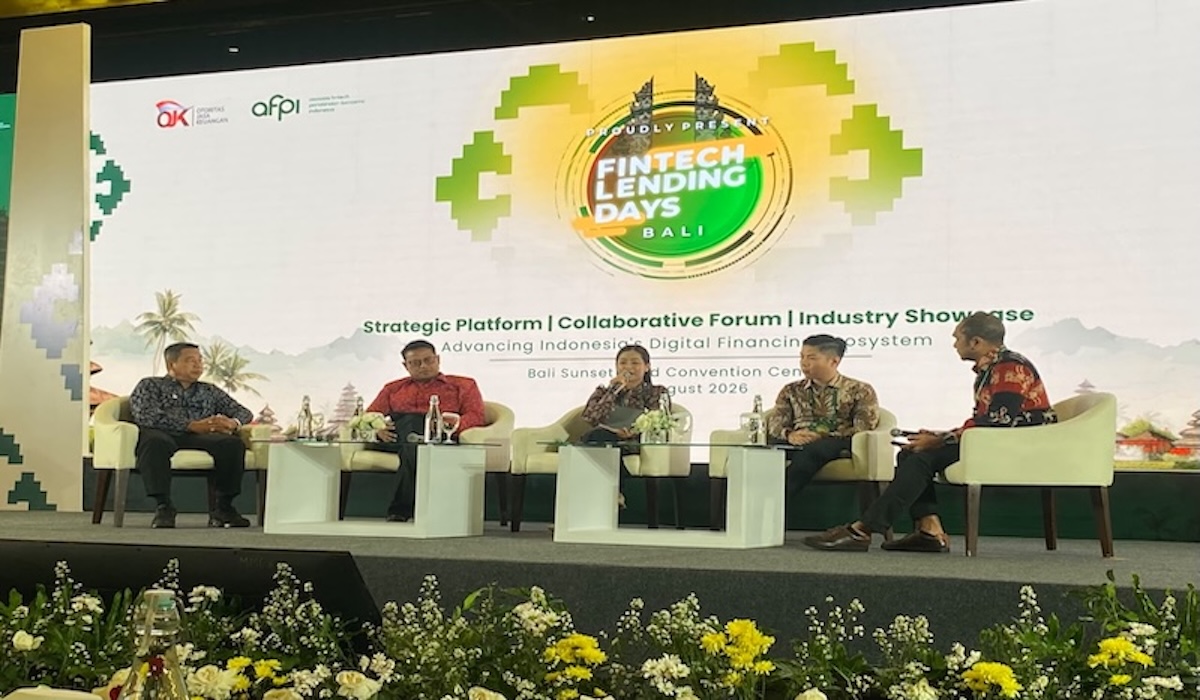
Collaboration between fintech lending platforms and regional banks is considered potentially able to expand access to financing for communities and business actors not yet fully reached by formal financial services. However, differences in systems, data management, and risk management standards pose challenges in realising such cooperation.
Director of Business Development at PT Plus Ultra Abadi (UATAS), Shintya Maulida, said cooperation between online lending platforms (pindar) and Rural Banks (BPR) as well as Regional Development Banks (BPD) can combine technological capabilities with an understanding of local economic characteristics.
According to her, fintech platforms have advantages in technology, data processing, and digital financing processes. Meanwhile, regional banks have networks and a deeper understanding of community characteristics and economic activities in their respective regions.
“This partnership is not a competition between sub-sectors, but a combination of capabilities to provide more precise, efficient, and sustainable financing access,” said Shintya in a written statement on Wednesday (26/8).
She explained that this collaboration model is particularly seen as capable of opening access to underserved segments, including communities and productive business actors who have financing needs but have not fully obtained services from formal financial institutions.
For fintech lending providers, she said, cooperation with regional banks can also provide better information regarding the characteristics of prospective borrowers and financing needs in each region.
However, collaboration between two financial institutions with different characteristics is not free from a number of obstacles.
Shintya mentioned that aligning business processes, data, risk appetite, governance, and division of responsibilities are several issues that need to be resolved before cooperation is carried out on a large scale.
Each institution, she said, has its own risk management systems and frameworks. Therefore, from the outset both parties need to agree on customer targets, financing schemes, data-sharing mechanisms, risk ownership, and customer handling when problems arise in the financing process.
“System interoperability is also a challenge because the use of different technology platforms has the potential to add complexity to the process if not properly integrated,” she continued.
According to her, to reduce this risk, cooperation is considered more feasible to be carried out in stages, starting with pilot projects with limited scope.
The results of these projects can then be evaluated based on financing distribution performance, portfolio quality, operational processes, and customer experience before the cooperation scheme is expanded.
“A phased approach is needed so that financing expansion does not only pursue volume growth, but still pays attention to portfolio quality and risk management,” she stressed.
Discussion regarding fintech lending and regional bank collaboration emerged at Fintech Lending Days 2026 in the Banking Partnership Forum session: Strengthening Collaboration Between Pindar and Regional Banking Ecosystem held in Bali last week.